

China's Gas Insulated Switchgear: The Future of Reliable Power Distribution
2025-12-27
In the rapidly evolving landscape of global energy infrastructure, the quest for reliable power distribution has become more critical than ever. As countries strive to enhance grid stability and efficiency, China has emerged as a key player with innovative advancements in gas insulated switchgear (GIS) technology. This technology promises a future of resilient systems, but what sets China's approach apart? At the forefront of this revolution stands Lugao, a brand pioneering solutions that are redefining how we think about energy reliability. In this blog series, we'll explore the cutting-edge developments in China's GIS sector, delving into how brands like Lugao are not only keeping the lights on today but also powering the sustainable grids of tomorrow. Ready to uncover how these innovations are shaping the future of power distribution? Let's dive in.
Innovative Design Features Enhancing GIS Performance
Modern GIS platforms are embracing innovative design features that significantly boost performance and user efficiency. For instance, the integration of real-time data streaming allows for dynamic updates without system lag, enabling professionals to monitor changes as they happen. This is complemented by adaptive caching mechanisms that store frequently accessed data locally, reducing load times and enhancing responsiveness during complex spatial analyses. By prioritizing these performance-oriented designs, GIS tools can handle larger datasets and more intricate queries without compromising speed, making them indispensable for time-sensitive applications like emergency response or urban planning.
Another key advancement lies in the use of distributed computing architectures, which divide processing tasks across multiple servers to accelerate performance. This approach not only speeds up data rendering and analysis but also improves scalability, allowing GIS systems to grow seamlessly with increasing data volumes. Additionally, interactive visualization features, such as 3D modeling and augmented reality overlays, enhance user engagement by providing richer, more intuitive insights into spatial data. These innovations ensure that GIS performance keeps pace with demanding modern workflows, from environmental monitoring to logistics optimization.
Furthermore, the adoption of cloud-native technologies has revolutionized GIS performance by enabling elastic resource allocation and global accessibility. Features like automatic load balancing and serverless computing reduce downtime and maintenance overhead, while integrated AI-driven analytics offer predictive modeling capabilities that streamline decision-making. By focusing on user-centric design, these innovations not only boost raw performance metrics but also foster a more collaborative and efficient working environment, empowering teams to leverage geographic insights more effectively in diverse fields.
Applications in Urban and Industrial Power Networks
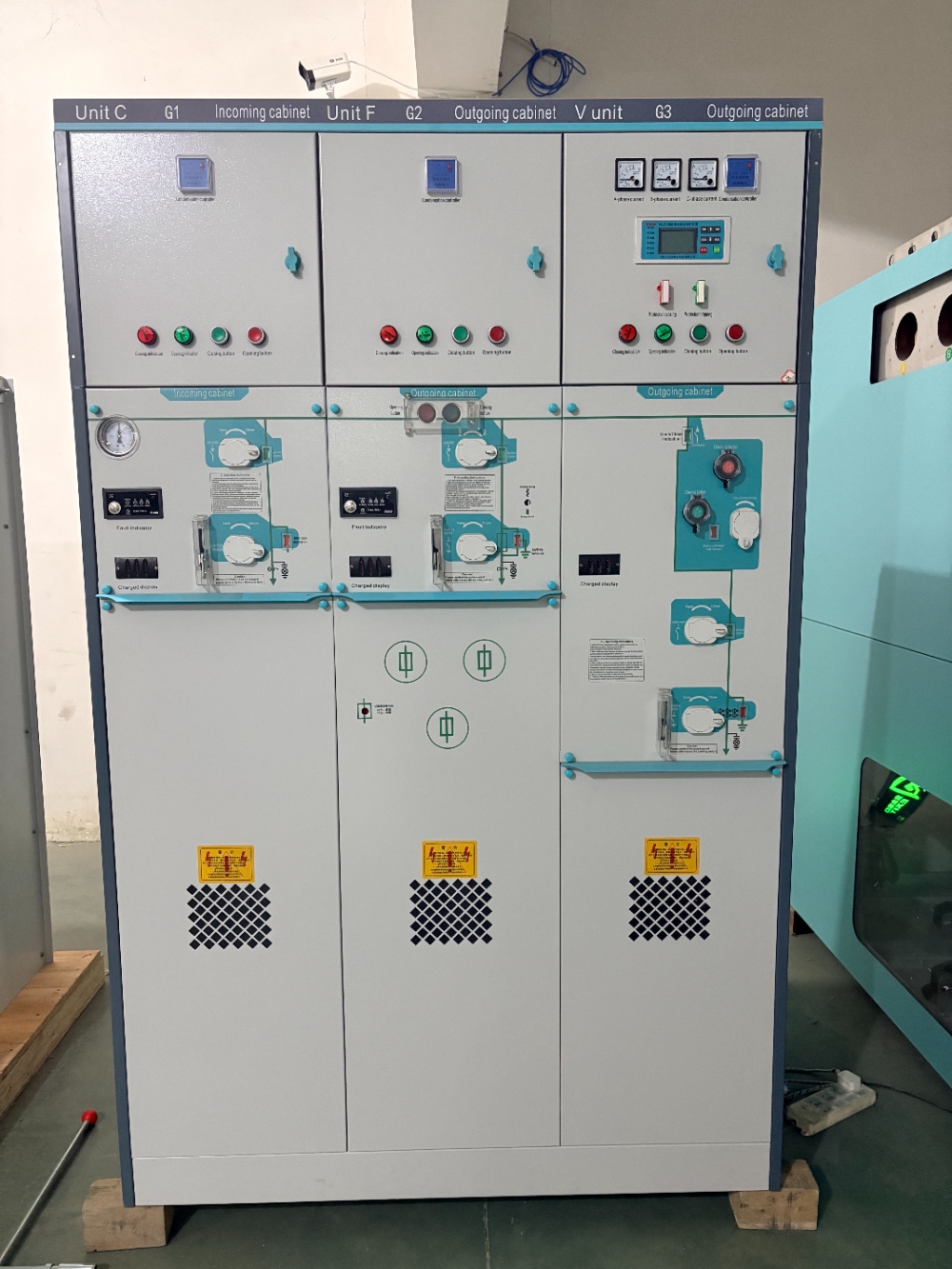
Urban power networks, with their dense populations and diverse energy demands, present unique challenges that go beyond simple electricity distribution. In metropolitan areas, smart grid technologies are increasingly harnessed to balance supply and demand dynamically, integrating renewable sources like rooftop solar panels to reduce carbon footprints. For instance, microgrids in city districts can operate autonomously to enhance resilience during outages, while advanced metering infrastructure allows utilities to offer tailored pricing plans, encouraging off-peak usage and easing grid stress.
In industrial settings, power networks must support heavy machinery and continuous operations, requiring robust solutions to prevent costly downtime. Industrial applications often involve sophisticated energy management systems that optimize consumption across production lines, leveraging IoT sensors to monitor equipment health and predict maintenance needs. This not only cuts operational expenses but also aligns with sustainability goals by minimizing waste. Furthermore, industries in regions with volatile power supply may deploy battery storage units or cogeneration plants to ensure a reliable backup, safeguarding against disruptions that could affect global supply chains.
Beyond individual applications, the synergies between urban and industrial power networks are gaining attention. For example, waste-to-energy facilities in cities can convert industrial byproducts into power, creating a circular economy. Also, data analytics platforms are enabling cross-sector insights, where patterns from urban smart grids inform industrial energy strategies, fostering innovation and efficiency across both domains. This interconnected approach highlights how tailored solutions can drive progress, making power systems not just functional but adaptable to evolving demands.
Environmental Benefits and Sustainability of GIS Technology
Geographic Information Systems (GIS) technology offers significant environmental advantages by enabling precise mapping and analysis of natural resources, ecosystems, and human impacts. For instance, organizations can use GIS to monitor deforestation patterns over time, helping to identify areas at risk and implement conservation strategies more effectively. This not only aids in preserving biodiversity but also supports sustainable land management practices by balancing development needs with ecological protection. By visualizing data spatially, stakeholders can make informed decisions that minimize environmental degradation and promote long-term sustainability goals.
Furthermore, GIS plays a crucial role in enhancing sustainability efforts through applications like water resource management and climate change adaptation. In urban planning, it helps design greener cities by optimizing infrastructure placement to reduce energy consumption and greenhouse gas emissions. For example, municipalities can analyze traffic flows and public transport routes using GIS to reduce congestion and pollution, contributing to cleaner air and healthier communities. These applications demonstrate how GIS technology integrates environmental considerations into everyday decision-making, fostering resilience against environmental challenges and supporting global sustainability initiatives.
Additionally, the sustainability of GIS technology itself is evolving with advancements in data sharing and cloud computing, which reduce the need for physical resources and lower carbon footprints. This approach not only makes environmental data more accessible to researchers and policymakers but also encourages collaborative efforts in tackling issues like habitat loss or pollution. By leveraging GIS, societies can move towards more sustainable practices that align with environmental stewardship, ensuring that technological progress contributes positively to the planet's well-being.
Cost-Efficiency and Long-Term Operational Advantages
Investing in streamlined systems and efficient processes upfront can lead to significant cost savings over time. By optimizing resource allocation and minimizing waste, organizations not only reduce immediate expenses but also build a foundation for sustained financial health. This proactive approach helps avoid the hidden costs that accumulate from inefficiencies, such as overtime payments, equipment downtime, or frequent repairs.
Long-term operational advantages extend beyond mere cost-cutting to include enhanced productivity and scalability. When operations are designed with foresight, they adapt more easily to market changes or growth opportunities without requiring constant overhauls. This resilience translates into competitive edge, allowing businesses to maintain smooth workflows even under pressure, while consistently delivering quality outcomes that reinforce customer trust.
Moreover, prioritizing efficiency fosters a culture of continuous improvement, where teams become more agile and innovative. Over time, this mindset cultivates a reputation for reliability and forward-thinking, attracting talent and partnerships that further bolster operational strengths. In essence, the initial investment in cost-efficiency pays dividends through enduring operational excellence and strategic flexibility.
Safety Measures and Reliability in Power Distribution
Ensuring safety in power distribution isn't just about meeting regulations; it's a foundational commitment that keeps communities and infrastructure secure from risks like electrical fires or equipment failures. Modern grids incorporate advanced insulation materials, automated fault detection systems, and rigorous maintenance schedules, all working in tandem to minimize hazards. For instance, smart sensors can identify potential issues before they escalate, allowing for proactive interventions that protect both personnel and end-users. This layered approach transforms safety from a compliance checklist into a dynamic, everyday priority.
Reliability, on the other hand, hinges on the grid's ability to deliver consistent power under diverse conditions, from peak demand surges to severe weather events. By integrating redundant pathways and decentralized energy sources like solar or wind, distribution networks can adapt to disruptions without widespread outages. Technologies such as microgrids and real-time monitoring tools enhance this resilience, ensuring that hospitals, homes, and businesses experience minimal downtime. This focus on dependability not only supports economic stability but also fosters public trust in the energy system.
Ultimately, the synergy between safety and reliability drives innovation in power distribution, leading to more robust and user-centric solutions. Emerging trends like AI-driven predictive analytics and blockchain for secure transactions are redefining how grids operate, emphasizing both protection and performance. By prioritizing these elements, utilities can build systems that not only withstand challenges but also evolve to meet future energy needs sustainably.
Future Trends and Developments in GIS Innovation
Geographic Information Systems are rapidly evolving beyond traditional mapping tools, integrating real-time data streams and artificial intelligence to create dynamic spatial intelligence platforms. Innovations like edge computing enable on-device analysis, reducing latency for applications such as autonomous vehicle navigation and disaster response, while augmented reality overlays spatial data onto physical environments, enhancing urban planning and field operations with immersive visualizations.
The proliferation of IoT sensors and crowdsourced geodata is fueling a shift towards predictive analytics in GIS, allowing for proactive management of resources like water supplies and traffic flows. Blockchain technology is emerging to secure spatial data integrity, particularly in land registries and environmental monitoring, fostering trust in decentralized systems. These developments are making GIS more accessible through cloud-based solutions, empowering small businesses and communities to leverage spatial insights without heavy infrastructure investments.
As GIS converges with fields like climate science and public health, interdisciplinary applications are driving tailored innovations, such as modeling disease spread with real-time mobility data or optimizing renewable energy siting using machine learning. The focus is increasingly on ethical considerations, including data privacy and reducing algorithmic bias, to ensure these advancements benefit society equitably and sustainably in an interconnected world.
FAQ
GIS offers a compact design, higher reliability, and reduced maintenance needs compared to air-insulated alternatives, making it ideal for urban areas and harsh environments.
Chinese GIS manufacturers have advanced by integrating smart monitoring and eco-friendly materials, often matching or exceeding international benchmarks in safety and performance.
GIS systems minimize land use, lower greenhouse gas emissions by reducing electrical losses, and use sulfur hexafluoride (SF6) alternatives to decrease environmental impact.
By providing better insulation and fault tolerance, GIS helps prevent cascading failures and ensures continuous power supply, crucial for critical infrastructure.
Trends include the adoption of digital twins for predictive maintenance, integration with renewable energy sources, and advancements in modular and scalable designs.
Though initial costs are higher, GIS leads to savings through lower operational expenses, extended lifespan, and reduced downtime, offering a favorable return on investment.
Conclusion
China's Gas Insulated Switchgear (GIS) represents a transformative advancement in power distribution, driven by innovative design features that enhance performance and reliability. These systems integrate cutting-edge technologies to ensure efficient operation in demanding environments, with applications spanning urban and industrial power networks. By compacting components and utilizing sulfur hexafluoride (SF6) insulation, GIS reduces space requirements while maintaining high voltage stability, making it ideal for densely populated areas and industrial hubs. This adaptability supports modern infrastructure needs, contributing to resilient energy grids that can withstand operational stresses and environmental challenges.
The environmental and economic benefits of GIS technology further solidify its role in sustainable power distribution. It minimizes ecological impact through reduced emissions and resource usage, aligning with global sustainability goals. Cost-efficiency and long-term operational advantages, such as lower maintenance and extended lifespan, make it a financially sound investment. Enhanced safety measures and reliability ensure consistent power delivery, reducing outage risks. Looking ahead, future trends in GIS innovation promise continued improvements in efficiency and integration with smart grids, positioning China's GIS as a cornerstone of reliable and forward-thinking energy solutions for evolving power demands.
Contact Us
Contact Person: Doreen
Email: [email protected]
Tel/WhatsApp: 8618057712366
Website: https://www.liugaopower.com/