

China SF₆ Gas Circuit Breaker: Advanced Safety and Efficiency Solutions
2026-01-10
In the realm of high-voltage power transmission, safety and efficiency are paramount. With the increasing demand for reliable electrical grids, innovations like China's SF₆ gas circuit breakers are leading the charge, offering advanced solutions that minimize risks and optimize performance. These technologies not only enhance operational stability but also contribute to smarter, more sustainable energy systems. At the forefront of this evolution is Lugao, a brand dedicated to pushing the boundaries of safety and efficiency through cutting-edge engineering. In this blog, we'll explore how these sophisticated circuit breakers work, their key benefits, and why they're becoming an essential component in modern power infrastructure. Ready to dive into the world of innovative electrical solutions? Let's get started!
Innovative SF₆ Gas Technology in China's Circuit Breakers
China's electrical equipment industry has made significant strides in circuit breaker technology, particularly through the innovative application of SF₆ gas. Over recent decades, domestic manufacturers have leveraged SF₆'s excellent insulating and arc-quenching properties to enhance safety and efficiency in high-voltage installations. This progress aligns with broader initiatives to strengthen the national power grid, ensuring reliable electricity distribution across diverse and demanding terrains.
Unlike earlier methods that faced limitations in performance or environmental impact, the adoption of SF₆ technology in China has been refined through extensive research and development. Engineers have focused on minimizing emissions and optimizing gas-handling systems, addressing concerns about greenhouse effects while maintaining robust circuit protection. As a result, these advancements have not only met stringent national standards but also gained recognition in international markets for their cost-effectiveness and durability.
Looking forward, the integration of smart monitoring systems with SF₆-based circuit breakers represents the next frontier in China's electrical innovation. By incorporating sensors and IoT technologies, operators can now detect potential faults in real-time and perform predictive maintenance, reducing downtime and operational costs. This forward-thinking approach underscores a commitment to sustainable energy infrastructure that balances technical excellence with environmental responsibility, setting a benchmark for the global industry.
Enhanced Safety Features for Modern Electrical Grids
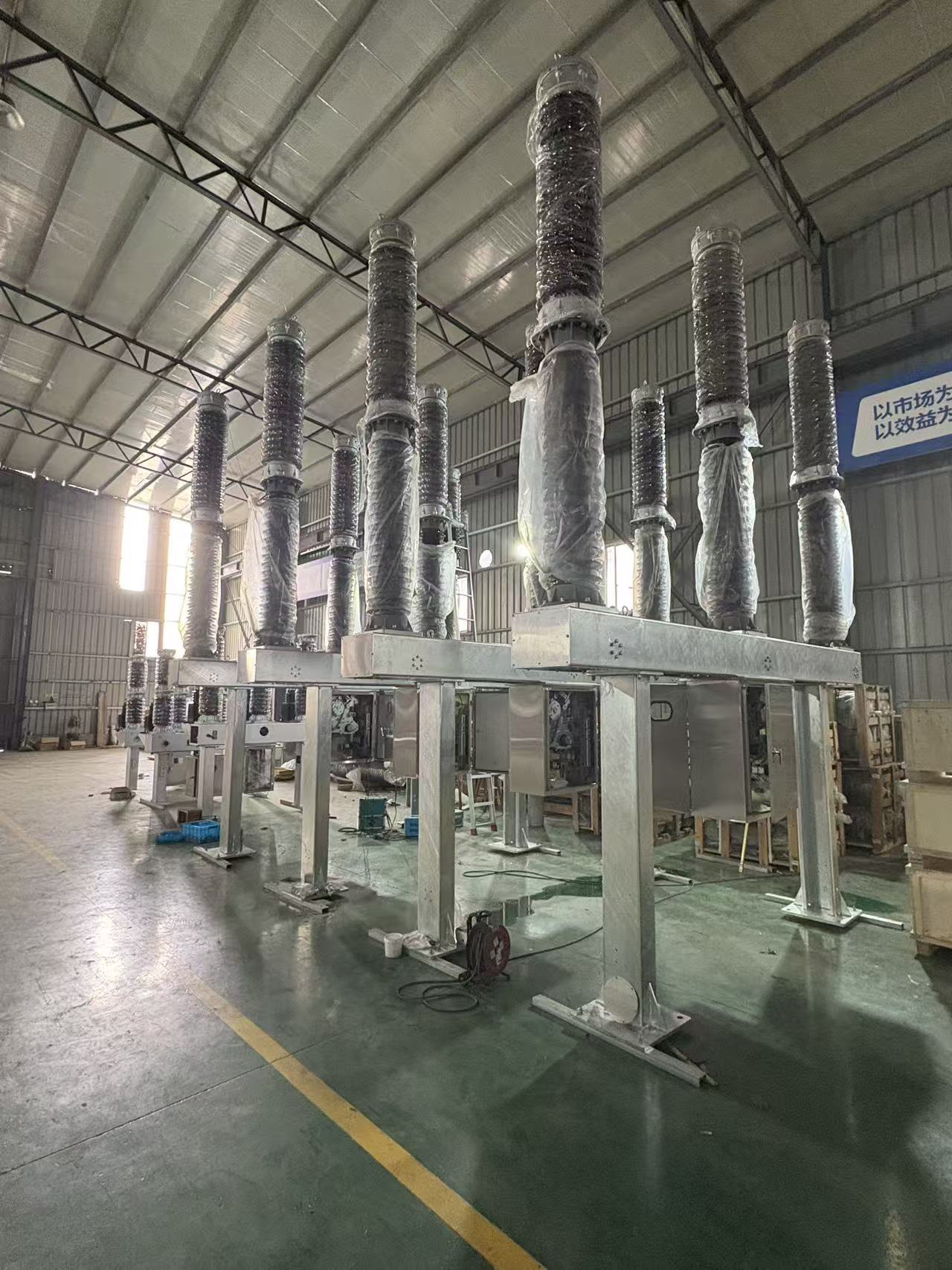
Modern electrical grids are rapidly evolving beyond traditional designs to incorporate advanced safety mechanisms that protect infrastructure and users alike. Enhanced features now include smart sensors that detect anomalies in real-time, such as voltage fluctuations or temperature spikes, allowing for proactive maintenance before failures occur. By integrating these technologies, grids can automatically isolate faults, preventing cascading outages and reducing the risk of electrical fires or damage to connected devices. This shift from reactive to predictive safety not only boosts reliability but also enhances resilience against unforeseen events like severe weather or cyber-attacks, making power distribution more secure and efficient.
Another key aspect is the use of robust cyber-physical security protocols that safeguard grids from digital threats. As grids become more interconnected with IoT devices and renewable energy sources, vulnerabilities increase; enhanced safety features counter this with encrypted communication channels and intrusion detection systems. For instance, blockchain-based authentication can verify access to grid controls, while AI-driven algorithms monitor for suspicious activity patterns. This multi-layered approach minimizes downtime and protects sensitive data, ensuring that electrical supply remains stable even in the face of sophisticated hacking attempts.
Fostering public safety and operational transparency, modern grids also leverage user-friendly interfaces and emergency response tools. Features like automated outage notifications via mobile apps keep consumers informed and enable faster restoration efforts. Additionally, grid operators can deploy remote-controlled switches to reroute power during incidents, reducing human exposure to hazardous conditions. These enhancements not only improve day-to-day operations but also build community trust by demonstrating a commitment to safety and adaptability in an ever-changing energy landscape.
Energy Efficiency Improvements in Power Distribution
Innovations in power distribution are transforming how electricity reaches our homes and businesses, cutting down on the substantial energy losses that used to occur along the way. By leveraging advanced technologies like smart grids and high-voltage direct current (HVDC) systems, utilities can optimize the flow of electricity, reducing waste and improving reliability. These enhancements not only lower operational costs but also contribute to a more sustainable energy ecosystem, making every kilowatt-hour count.
One standout approach involves the integration of real-time monitoring systems and predictive analytics, which allow for proactive adjustments to power distribution networks. Instead of relying on outdated static models, operators can now respond dynamically to changes in demand and supply, minimizing inefficiencies. This shift towards a more responsive grid not only enhances energy efficiency but also paves the way for greater adoption of renewable sources, as it better handles their intermittent nature.
Beyond technology, strategic investments in infrastructure upgrades, such as replacing old transformers with more efficient models and deploying energy storage solutions, play a crucial role. These measures help to smooth out peak loads and reduce transmission losses, ensuring that energy is delivered with minimal waste. As communities and industries wake up to the importance of conservation, these improvements in power distribution become key players in the global push toward a greener, more efficient future.
Durable Design for Long-Term Reliability
Durable design isn't just about making products last—it's about ensuring they perform reliably over extended periods, often under demanding conditions. This approach involves selecting robust materials, such as corrosion-resistant alloys or reinforced composites, combined with engineering that anticipates wear and tear. By prioritizing durability from the initial design phase, we reduce the risk of premature failures, which can save costs and enhance user satisfaction. Think of it as building a foundation that withstands the test of time, whether it's for consumer electronics, industrial equipment, or infrastructure projects.
In practice, long-term reliability hinges on rigorous testing and quality control. For instance, prototypes undergo environmental stress tests to simulate years of use in a compressed timeframe. This helps identify potential weak points, allowing for iterative improvements before mass production. By focusing on real-world scenarios—like temperature fluctuations, moisture exposure, or mechanical impacts—designers can craft solutions that thrive in varied settings. Ultimately, this proactive mindset shifts the focus from quick fixes to sustained performance, delivering value that endures.
What sets this approach apart is its holistic view of durability. It's not just about physical toughness; it integrates factors like ease of maintenance, modularity for upgrades, and compatibility with evolving standards. For example, a product might feature user-replaceable parts to extend its lifecycle or use standardized components for broader accessibility. By blending innovation with practicality, durable design fosters trust and reduces environmental impact through fewer replacements. In a market saturated with short-lived items, this commitment to reliability becomes a key differentiator, resonating with customers who prioritize longevity and quality.
Smart Monitoring and Control Systems Integration
Imagine a facility where every sensor, actuator, and device communicates seamlessly in real-time, not just reporting data but actively coordinating responses. Smart monitoring and control systems integration weaves together disparate technologies into a unified fabric, enabling predictive maintenance, energy optimization, and enhanced safety. By leveraging IoT platforms and advanced analytics, these systems transform raw data into actionable insights, allowing operators to preempt issues rather than react to failures. For instance, in manufacturing, integrated controls can adjust production lines based on quality feedback loops, while in smart buildings, they manage HVAC and lighting to balance comfort with efficiency.
What sets modern integration apart is its focus on interoperability across diverse hardware and software ecosystems. Instead of siloed solutions, it employs open protocols and APIs to bridge legacy equipment with cutting-edge AI-driven tools. This approach not only reduces downtime and costs but also facilitates scalability as operations expand. In sectors like energy grid management, integrating monitoring systems with control mechanisms allows for dynamic load balancing and fault detection, enhancing grid resilience. The result is a cohesive environment where decision-making is decentralized yet coordinated, empowering stakeholders with a holistic view of system health.
Beyond technical prowess, the human element is crucial—integration should prioritize user-friendly interfaces that translate complex data into intuitive dashboards. By customizing alerts and automating routine tasks, these systems free up personnel to focus on strategic initiatives. In healthcare, for example, integrated monitoring of medical devices ensures patient safety through real-time oversight, while in agriculture, it optimizes irrigation and pest control based on environmental sensors. Ultimately, smart integration isn't just about connectivity; it's about creating adaptive, responsive frameworks that evolve with organizational needs, driving innovation and sustainability in an interconnected world.
Environmental Sustainability with Reduced Emissions
Environmental sustainability with reduced emissions isn't just about meeting regulatory benchmarks—it's about fundamentally rethinking how organizations operate in harmony with our planet's ecosystems. By shifting away from carbon-intensive practices, businesses can create cleaner air and water, protect biodiversity, and build a more resilient world for future generations. This approach often integrates renewable energy sources like solar and wind power, which not only slash greenhouse gas outputs but also foster energy independence and community health. It's a proactive stance that transforms environmental stewardship from a compliance checklist into a core driver of long-term value.
In practical terms, reducing emissions involves tackling everything from manufacturing and logistics to office energy use and product lifecycle design. For instance, adopting electric vehicles for fleets or optimizing supply chains to minimize transportation distances can lead to significant cuts in pollutants. Advanced technologies, such as carbon capture and green hydrogen, offer innovative pathways to decarbonize even hard-to-abate sectors. This granular focus on operational details ensures that sustainability efforts are measurable and impactful, turning abstract goals into tangible benefits that ripple through communities and economies.
Beyond the environmental perks, embracing reduced emissions can unlock economic and social advantages that set organizations apart. Companies that lead in this area often see enhanced brand reputation, customer loyalty, and investor confidence, as stakeholders increasingly prioritize ethical and sustainable practices. Moreover, it can drive innovation in circular economies, where waste is minimized and resources are reused. By weaving these elements into their DNA, organizations don't just survive in a competitive landscape—they thrive, creating a legacy of positive change that resonates far beyond their bottom line.
FAQ
China's SF₆ gas circuit breakers incorporate advanced features such as robust arc-quenching chambers, leak-proof sealing systems, and integrated monitoring sensors to detect gas pressure and integrity, ensuring high reliability in preventing electrical faults and minimizing environmental risks.
They utilize optimized gas flow dynamics and low-resistance contacts, which reduce energy losses during operation. This enhances overall grid efficiency by minimizing heat generation and maintenance downtime, leading to cost savings over the breaker's lifespan.
SF₆ gas acts as an insulating and arc-quenching medium due to its high dielectric strength and thermal stability. It effectively extinguishes electrical arcs during switching, preventing damage and ensuring safe interruption of high-voltage currents across China's power infrastructure.
Innovations include compact modular designs for easy installation, smart diagnostic systems for predictive maintenance, and eco-friendly alternatives to reduce SF₆ emissions. These advancements cater to diverse grid needs while prioritizing safety and sustainability.
They undergo rigorous testing under extreme conditions like high humidity, temperature fluctuations, and seismic activity. Manufacturers simulate real-world scenarios to verify performance and durability, ensuring compliance with international standards for long-term operation.
Regular inspections should check gas levels, contact wear, and sensor functionality. Scheduled servicing includes cleaning, recalibration, and replacing worn parts, supported by manufacturer guidelines to extend service life and prevent unexpected failures.
Conclusion
China's SF₆ gas circuit breakers showcase remarkable advancements by integrating innovative SF₆ gas technology, which optimizes insulation and arc quenching capabilities, thereby enhancing the reliability of power distribution systems. This progress is further bolstered by durable designs that ensure long-term performance under demanding conditions, alongside smart monitoring and control systems that enable real-time diagnostics and proactive maintenance. These features collectively address modern electrical grid needs, offering a robust foundation for safety and efficiency improvements.
Beyond functionality, these circuit breakers prioritize environmental sustainability through reduced emissions and energy-efficient operations, aligning with global ecological goals. Enhanced safety mechanisms, including fault detection and automated response protocols, protect infrastructure and minimize downtime. By blending cutting-edge technology with practical applications, China's solutions not only meet current standards but also set new benchmarks in power distribution, fostering a resilient and eco-friendly electrical landscape without compromising on performance or longevity.
Contact Us
Contact Person: Doreen
Email: [email protected]
Tel/WhatsApp: 8618057712366
Website: https://www.liugaopower.com/