

Leading Explosion Proof Reactor Heater Supplier Ensuring Safe Industrial Operations
2026-07-13
In industries where volatile substances are handled daily, safety isn't just a priority—it's a non-negotiable foundation. Behind every secure operation lies equipment engineered to withstand extreme conditions, and at the heart of many processes is the reactor heater. But not all heaters are created equal. Enter Shenzhou Chemical Industry, a leading supplier of explosion proof reactor heaters that redefine what it means to operate both efficiently and safely. In this post, we peel back the layers of their technology and explore how these specialized heating systems are quietly powering safer industrial landscapes around the globe.
Engineered for Ultimate Safety in Hazardous Environments
Every component, from the reinforced casing to the fail-safe circuitry, is built to withstand extremes that would overwhelm ordinary equipment. We don't just meet safety standards—we treat them as the bare minimum. Our designs incorporate multiple layers of protection, ensuring that even if one safeguard is compromised, others stand ready to prevent catastrophe.
Real-world testing in volatile atmospheres and high-risk industrial settings has shaped every iteration. The result is a system that actively neutralizes threats before they escalate, whether it's suppressing sparks in combustible dust environments or isolating electrical faults faster than traditional methods. This is safety that doesn't just react—it anticipates.
Long-term reliability comes from meticulous attention to material selection and stress analysis. Sealed against moisture and corrosive agents, the construction resists degradation even after years of exposure. It's the kind of uncompromising engineering that turns a piece of hardware into a trusted guardian in places where human lives are on the line.
Precision Heating Solutions for Critical Industrial Processes
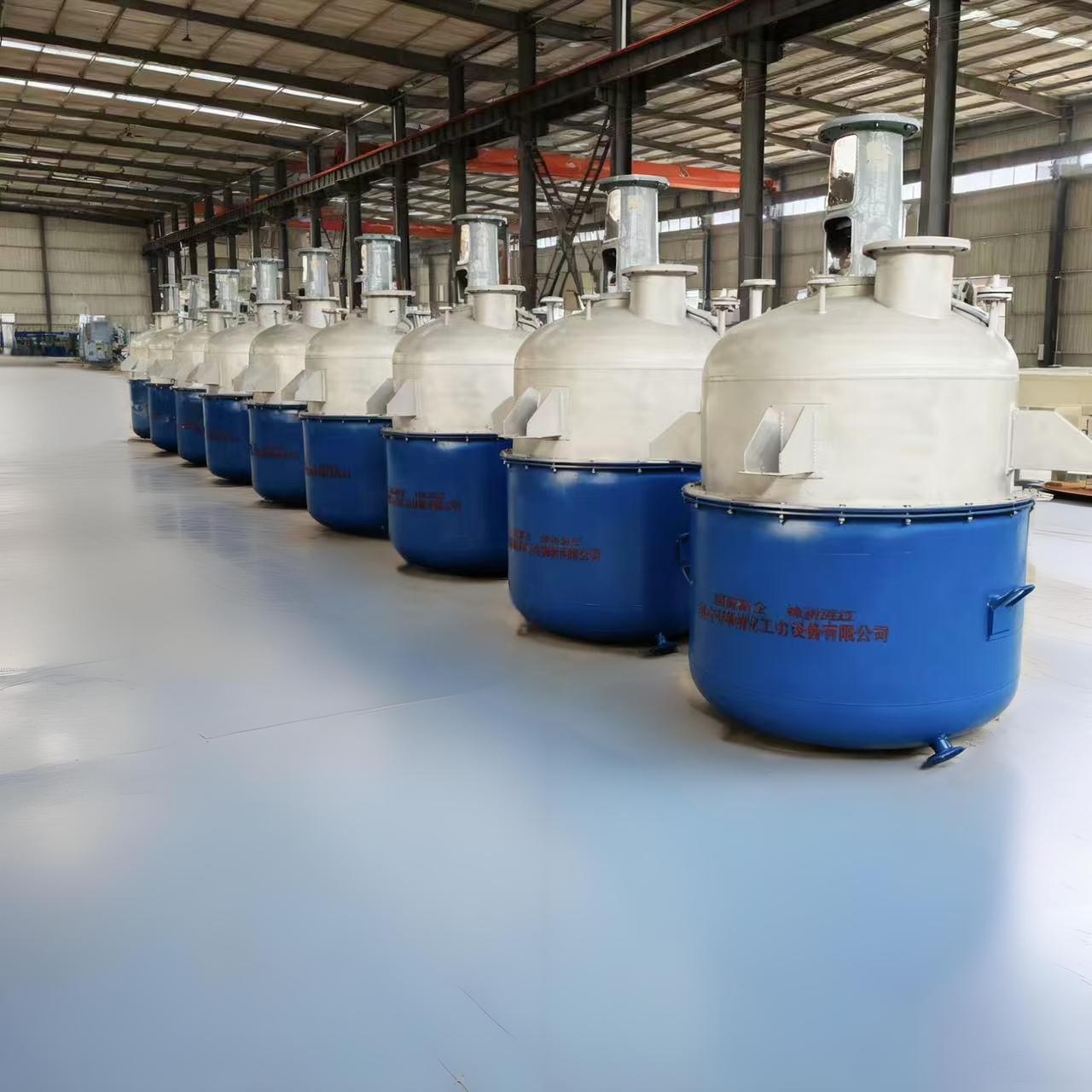
In sectors where even a slight temperature fluctuation can compromise product integrity, precision heating isn’t just an advantage—it’s a necessity. Our systems are engineered to deliver unwavering thermal consistency, eliminating the guesswork and variability that often plague sensitive manufacturing environments. By integrating advanced feedback loops and adaptive control algorithms, we ensure that every stage of your process operates within a pinpoint-temperature window, safeguarding the quality and repeatability you demand.
Beyond stability, true precision means responding intelligently to real-world dynamics. Our solutions leverage predictive thermal modeling to anticipate load changes, ambient shifts, and other disruptive factors before they affect your operation. This proactive approach minimizes downtime and scrap rates while maximizing throughput, allowing you to maintain a competitive edge without sacrificing the meticulous control that defines your output. From semiconductor fabrication to pharmaceutical synthesis, our technologies adapt to the unique thermal signatures of your workflow.
We also recognize that precision heating is never one-size-fits-all. That’s why we collaborate closely with your engineering teams to tailor heating profiles, form factors, and integration points that align with existing infrastructure. Whether you require distributed heat zones, rapid cycling capabilities, or ultra-clean energy delivery, our design philosophy centers on flexibility without compromise. The result is a heating ecosystem that operates as an unobtrusive extension of your process, delivering exactness where and when it’s needed most.
Custom Reactor Heaters Designed to Meet Your Operational Demands
Operational environments vary widely, and off-the-shelf heating solutions often fall short when faced with unique temperature, pressure, or space constraints. Our approach centers on crafting reactor heaters that align precisely with your process parameters—whether you need rapid heat-up times, uniform temperature distribution across irregular surfaces, or compatibility with aggressive chemicals. Every design starts with a thorough analysis of your system's thermal profile, ensuring the final heater integrates seamlessly and performs reliably under real-world conditions.
Beyond basic functionality, we focus on features that reduce maintenance headaches and extend service life. Materials are selected for their resilience against corrosion, thermal cycling, and mechanical stress. Advanced insulation minimizes energy loss while keeping exterior surfaces safe to touch. For facilities with limited space, compact, high-watt-density elements provide the necessary heat output without sacrificing footprint. These details, often overlooked in standard products, become standard in our custom solutions.
Collaboration is at the heart of our design process. We work closely with your engineering team to understand not just the specifications, but the day-to-day operational realities—like ease of installation, cleaning requirements, and future scalability. Prototypes undergo rigorous testing that simulates your actual run cycles, so you can have confidence in the heater's performance before it reaches your site. The result is a heating system that doesn't just meet demands on paper, but proves itself in continuous operation.
Robust Construction That Withstands Extreme Conditions
Built to endure punishing environments, every component is engineered with high-strength alloys and impact-resistant polymers. Reinforced joints and sealed interfaces prevent dust, moisture, and corrosion from compromising performance, even after prolonged exposure to salt spray or abrasive particles.
Internal damping systems absorb vibrational stress and sudden shocks, while thermal management layers maintain operational stability across a wide temperature range — from sub-zero freezes to scorching heat. Stress points are deliberately overdesigned, so critical functions hold steady when lesser equipment fails.
Field trials have verified sustained reliability under loads well beyond rated specifications. Whether facing constant buffeting by high winds, heavy ice accumulation, or rapid pressure changes, the structure remains solid. It's not about surviving the first impact — it's about staying in service year after year with minimal degradation.
Compliance with Global Safety Standards and Certifications
Our products undergo rigorous evaluation against internationally recognized benchmarks such as IEC, UL, and EN standards. Every component is sourced and tested to meet or exceed the specific safety requirements of each target market, ensuring seamless entry and user confidence worldwide.
Third-party accredited laboratories conduct independent audits and certification processes for our entire product range. From electromagnetic compatibility to fire resistance, each parameter is verified under real-world conditions, leaving no room for compromise.
We maintain an active compliance calendar that tracks evolving regulations across all active regions. This proactive approach allows us to adapt swiftly, ensuring that our designs remain in full alignment with the latest safety directives before they become mandatory.
Partnership That Delivers Reliability and Operational Excellence
When two organizations align around a shared commitment to reliability, everyday operations transform. We don’t just plug gaps—we embed our expertise into your workflow, learning the nuances that keep your systems stable. The result is a quiet confidence where downtime is the exception, not the rule, and your team can focus on progress instead of firefighting.
Operational excellence emerges from thousands of small, deliberate choices. It’s in the way we anticipate maintenance needs before alarms trigger, how we standardize yet adapt processes to your unique environment, and why our people speak up early when something feels off. This partnership doesn’t chase perfection—it builds resilience, so when pressure mounts, performance holds.
FAQ
It’s not just about sealing sparks. Enclosures are built to contain an internal explosion and prevent ignition of surrounding gases. Materials are often thick-walled stainless steel or cast aluminum, with flame paths that cool escaping gases. Every component—terminals, thermocouples, even the ceramic elements—must be certified as a complete assembly.
We look beyond standard watt density charts. The sheath material is critical—Incoloy or Hastelloy alloys often outperform basic stainless when there’s acid or chlorides. Testing with actual process fluids, not just water, reveals early corrosion or hot spots. A proper supplier shares long-duration test data, not just spec sheets.
It’s usually uneven heat distribution at the flange. When the control system cycles too aggressively, local overheating creates expansion stress that cracks the element. Better designs use distributed low-watt-density elements and compensating temperature sensors to match the reaction kinetics, reducing thermal fatigue.
In many cases, yes—if the nozzle dimensions and pressure ratings align. The trick is having a custom flange plate that fits existing mounting studs while accommodating the thicker element bundle. Some suppliers offer 3D-scanned reverse engineering to match odd nozzle geometries, avoiding weeks of vessel modification.
A supplier who’s done this for decades will have case studies showing zero ignition incidents over millions of operation hours. They’ll openly discuss near-misses from faulty installations and how their design prevented a worst-case scenario. If they’re vague, dig deeper—transparent failure analysis is a sign of reliability.
It’s a layered approach: dual redundant temperature sensors, SIL-rated safety relays, and power cutoffs that trip within milliseconds of a thermal excursion. Some systems now embed machine learning that predicts temperature overshoot based on batch viscosity changes, adjusting power before the controller sees an error.
Regular megohmmeter testing of insulation resistance when the heater is hot, not just cold. Moisture ingress can hide until the vessel heats up, then cause a ground fault. Also, checking flange bolt torque after a few thermal cycles—uneven tightening warps the plate and lets process vapor reach the terminals.
Conclusion
In hazardous industrial settings where volatile substances are routinely handled, ensuring the integrity of heating systems is not just a preference—it’s an absolute necessity. Our position as a leading supplier of explosion proof reactor heaters stems from a deep-seated commitment to engineering solutions that operate safely under the most demanding conditions. Every unit we deliver is constructed with a focus on intrinsic safety, featuring sealed, spark-proof connections and pressure-resistant enclosures that neutralize ignition risks before they arise. This is made possible through the use of high-grade, corrosion-resistant materials and meticulous welding techniques, resulting in builds that withstand temperature extremes, corrosive chemicals, and physical stress without degradation. Rather than offering generic catalog models, we approach each project as a bespoke engineering challenge, tailoring heaters to the specific capacity, watt density, and dimensional constraints of your facility. This customization ensures seamless integration and optimal thermal performance, whether the application involves sensitive polymerization reactions or the high-temperature synthesis of specialty compounds. From the choice of sheathing alloys to the configuration of control zones, every detail is aligned with your process parameters to deliver precision that enhances both yield and repeatability.
Beyond the hardware, our value lies in a partnership model that treats compliance and reliability as ongoing commitments, not one-time achievements. Our explosion proof reactor heaters are certified to rigorous international standards such as ATEX, IECEx, and CSA, and we maintain full traceability of materials and production processes to streamline your own regulatory audits. The true measure of our success, however, is found in the uninterrupted operation of your production lines. We achieve this through responsive engineering support, on-site commissioning guidance, and a spare parts program that prevents costly downtime. By aligning our service teams with your maintenance schedules and process expansion plans, we help you anticipate thermal challenges rather than react to them. It is this combination of safe, customized design and dedicated lifetime support that has solidified our reputation as a supplier that does not simply sell heaters, but actively fosters operational excellence in hazardous environments.
Contact Us
Contact Person: Mr. Wang
Email: [email protected]
Tel/WhatsApp: 8613705299955
Website: https://vip.e-baixing.com/szhgyw