

OEM American-Type Substation Solutions: Enhancing Power Distribution Efficiency and Reliability
2026-01-14
In an era where power distribution demands are rapidly evolving, the search for robust and reliable substation solutions has never been more critical. OEM American-type substations stand at the forefront of this transformation, offering innovative designs that enhance both efficiency and reliability across electrical networks. At Lugao, we are committed to redefining standards in this field, integrating advanced technologies and engineering expertise to meet today’s complex energy challenges. This blog dives deep into how these solutions are reshaping power distribution—unveiling the key features, benefits, and real-world applications that set them apart. Whether you're an industry professional or simply curious about modern infrastructure, join us as we explore the future of sustainable and dependable energy systems.
Innovative OEM Substation Design for American Grid Systems
In recent years, the American grid has faced increasing challenges from aging infrastructure and the integration of renewable energy sources, prompting a shift toward innovative OEM substation designs. These designs focus on modularity and scalability, allowing utilities to adapt quickly to changing demands without extensive downtime.
Key advancements include the use of digital twins for real-time monitoring and predictive maintenance, enhancing reliability and reducing operational costs. Smart sensors and IoT-enabled devices are integrated into these substations, enabling seamless data flow and improved grid resilience against extreme weather events.
By collaborating with OEMs, American utilities are implementing customized solutions that prioritize sustainability, such as eco-friendly materials and energy-efficient transformers, setting a new standard for grid modernization and future-proofing the nation's power distribution network.
Custom-Built Solutions for Reliable Power Distribution Networks
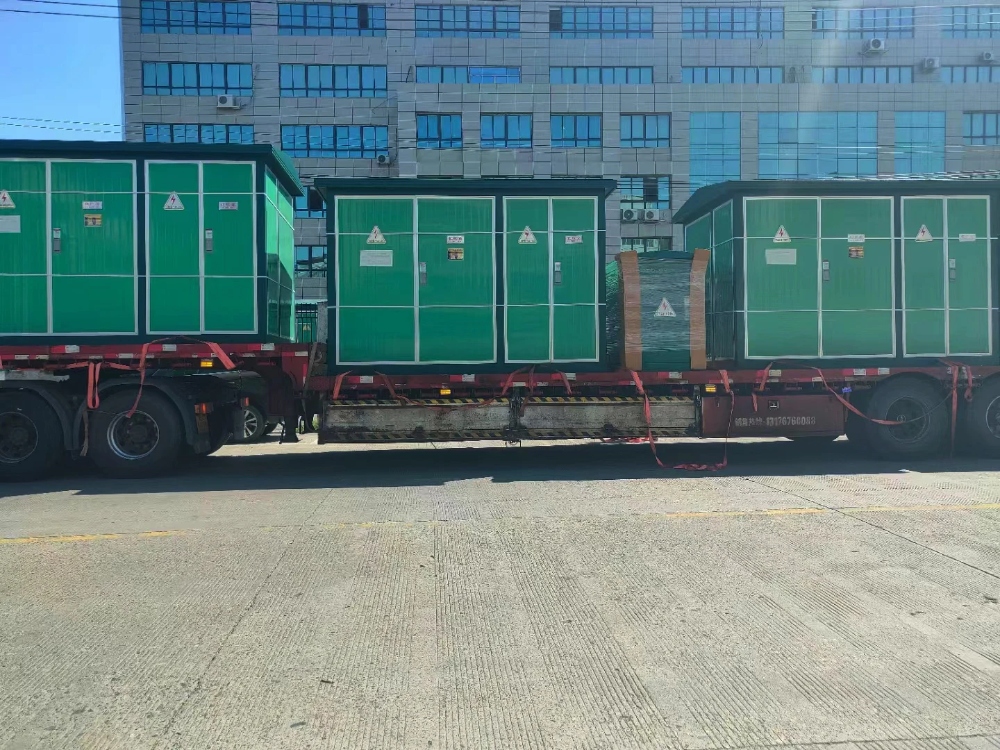
In today's industrial landscape, off-the-shelf power distribution components rarely meet the nuanced demands of complex systems. Custom-built solutions ensure that every piece of your network—from transformers to circuit breakers—integrates seamlessly, reducing risks of downtime and enhancing overall resilience.
By tailoring designs to specific environmental factors and operational loads, these bespoke networks sidestep common pitfalls seen in standardized setups. They incorporate redundancy features and advanced monitoring capabilities that adapt in real-time, offering peace of mind in sectors where power reliability is non-negotiable.
Ultimately, investing in a customized approach translates to long-term cost savings and operational efficiency. It’s about building infrastructure that not only powers your operations today but scales intelligently for tomorrow’s challenges, without compromising on safety or performance.
High-Efficiency Transformers and Switching Equipment Integration
When you're designing a modern electrical system, integrating high-efficiency transformers with advanced switching equipment isn't just a buzzword—it's a game-changer for both performance and sustainability. These components work hand-in-hand to minimize energy losses, often cutting them by up to 30% compared to older setups, which directly translates to lower operational costs over time. What makes this integration stand out is how it streamlines power distribution, ensuring that electricity flows smoothly without the hiccups that used to plague traditional systems.
Diving deeper, the real magic happens in the seamless coordination between transformers and switches, which reduces downtime and enhances reliability in demanding environments like data centers or industrial plants. Unlike generic solutions, this tailored approach optimizes load balancing and voltage regulation on the fly, adapting to fluctuations without manual intervention. It's not just about saving energy; it's about building a resilient infrastructure that can handle tomorrow's challenges, all while keeping maintenance minimal and extending the lifespan of your equipment.
What truly sets this integration apart is its ability to support smart grid initiatives, enabling real-time monitoring and predictive analytics that preempt issues before they escalate. By leveraging innovative materials and cutting-edge designs, it pushes efficiency boundaries without compromising on safety or scalability. In essence, it’s a forward-thinking solution that redefines how we think about power management, offering a tangible edge in an increasingly energy-conscious world.
Advanced Monitoring Systems for Real-Time Performance Tracking
Advanced monitoring systems for real-time performance tracking empower organizations to seamlessly oversee critical operations with unprecedented accuracy and speed. By leveraging cutting-edge technologies like AI and IoT sensors, these systems instantly collect and analyze vast streams of data, allowing teams to detect anomalies, predict potential issues, and optimize workflows on the fly. Whether in manufacturing, IT infrastructure, or logistics, such tools transform raw metrics into actionable insights, driving efficiency and reducing downtime without manual intervention.
Imagine a scenario where a global supply chain faces unexpected delays—advanced monitoring systems provide granular visibility into each node, from warehouse throughput to transportation routes, enabling real-time adjustments that prevent cascading disruptions. This proactive approach not only enhances responsiveness but also fosters a culture of continuous improvement, as data-driven feedback loops refine processes over time. Unlike traditional models that rely on periodic reports, these systems offer a live pulse on performance, making them indispensable in today's fast-paced environments where every second counts.
Beyond mere data aggregation, these systems integrate seamlessly with existing platforms, offering customizable dashboards that cater to diverse stakeholder needs. They highlight trends and bottlenecks through intuitive visualizations, empowering decision-makers to act swiftly based on evidence rather than guesswork. As industries evolve towards greater automation and connectivity, advanced monitoring becomes a cornerstone of resilience, ensuring operations remain agile and competitive in an ever-changing landscape.
Resilient Infrastructure Solutions to Minimize Downtime Risks
Building a resilient infrastructure goes beyond basic redundancy—it's about creating systems that adapt and recover swiftly from unexpected disruptions. Imagine a scenario where a critical component fails, but downtime is minimal because automated failover mechanisms seamlessly reroute operations to backup systems. This kind of proactive approach integrates advanced monitoring tools and predictive analytics to identify potential issues before they escalate, ensuring operations remain smooth even under stress.
For businesses, this means more than just avoiding downtime; it's about maintaining trust and continuity. For instance, cloud-based solutions with geographically dispersed data centers can mitigate risks from natural disasters or localized outages. By employing micro-segmentation in networks, organizations can isolate problems, preventing them from spreading across the infrastructure. These strategies not only enhance reliability but also reduce recovery times, turning potential crises into manageable blips.
Ultimately, an effective resilient infrastructure is a dynamic, evolving framework that learns from past incidents. Regular stress testing and updates to disaster recovery plans ensure that solutions stay ahead of emerging threats. This continuous improvement cycle fosters an environment where downtime is rare, brief, and barely noticeable to end-users, solidifying a company's reputation for dependability in a competitive market.
Seamless Scalability and Future-Proofing for Evolving Energy Demands
In today's rapidly advancing world, energy requirements are constantly shifting, driven by technological innovations, population growth, and environmental considerations. Achieving seamless scalability means designing systems that can effortlessly expand or contract in response to these changing demands. For instance, modular energy solutions allow incremental upgrades without disrupting existing operations, ensuring that businesses and communities can adapt quickly as their needs evolve. This approach not only enhances efficiency but also minimizes downtime and reduces overall costs, making it a practical choice for long-term sustainability.
Future-proofing goes hand in hand with scalability by anticipating and mitigating potential challenges before they arise. By integrating smart technologies and flexible infrastructure, energy systems can remain relevant and effective for years to come. This might involve embedding IoT sensors for real-time monitoring or adopting renewable sources that are inherently adaptable. Such strategies help avoid obsolescence and promote resilience, allowing organizations to navigate uncertainties like regulatory changes or unexpected spikes in consumption without costly overhauls.
Ultimately, combining seamless scalability with forward-thinking design creates a robust framework that supports both immediate and future energy goals. This proactive stance empowers stakeholders to meet evolving demands while fostering innovation and environmental stewardship, ensuring that energy solutions are not just reactive but truly transformative.
FAQ
The primary benefits include improved energy efficiency through optimized components and robust designs, which minimize power losses. Additionally, these solutions offer enhanced reliability and safety due to compliance with rigorous standards, reducing downtime and maintenance costs.
By integrating advanced technologies like smart monitoring systems and high-efficiency transformers, they streamline energy flow and reduce operational inefficiencies. This leads to lower energy consumption and improved grid performance.
Features such as durable construction, automated fault detection, and redundant components ensure consistent operation. They're designed to withstand environmental stresses, preventing failures and extending service life.
Utility providers, industrial facilities, and renewable energy projects gain significant value. They're ideal for upgrading aging infrastructure or supporting new installations where dependability is critical.
They often incorporate modular setups and standardized parts that simplify installation and scalability. Compared to some alternatives, they provide a balance of cost-effectiveness and high-performance metrics.
Regular inspections of cooling systems and electrical connections are recommended. Many models include self-diagnostic tools to alert operators to potential issues before they escalate.
Conclusion
OEM American-type substation solutions are engineered to optimize power distribution efficiency and reliability through innovative designs tailored for the American grid system. These custom-built solutions integrate high-efficiency transformers and switching equipment, ensuring robust and reliable power distribution networks. By leveraging advanced monitoring systems, real-time performance tracking is enabled, allowing for proactive management and immediate response to operational anomalies. This comprehensive approach not only enhances overall system efficiency but also fortifies the infrastructure against potential failures.
The resilience of these substation solutions is further strengthened by infrastructure designs that minimize downtime risks, incorporating redundant components and fail-safe mechanisms. Seamless scalability and future-proofing features address evolving energy demands, supporting grid expansion and technological advancements without requiring extensive overhauls. This adaptability, combined with a focus on durability and low-maintenance components, ensures long-term operational stability and cost-effectiveness, making OEM American-type substations a pivotal element in modernizing and securing power distribution frameworks.
Contact Us
Contact Person: Doreen
Email: [email protected]
Tel/WhatsApp: 8618057712366
Website: https://www.liugaopower.com/