
Professional Pipeline Electric Heaters: Efficient Heating Solutions for Industrial Applications
2026-06-29
Industrial heating demands precision, reliability, and energy efficiency. Pipeline electric heaters have become a cornerstone in process heating, offering direct, uniform heat transfer for fluids and gases. Yet, not all solutions deliver consistent performance under harsh conditions. Shenzhou Chemical Industry redefines this landscape with professional-grade heaters engineered for critical applications. In this article, we explore why these systems outperform conventional alternatives and how they can transform your industrial operations.
How Pipeline Electric Heaters Work: A Look Inside
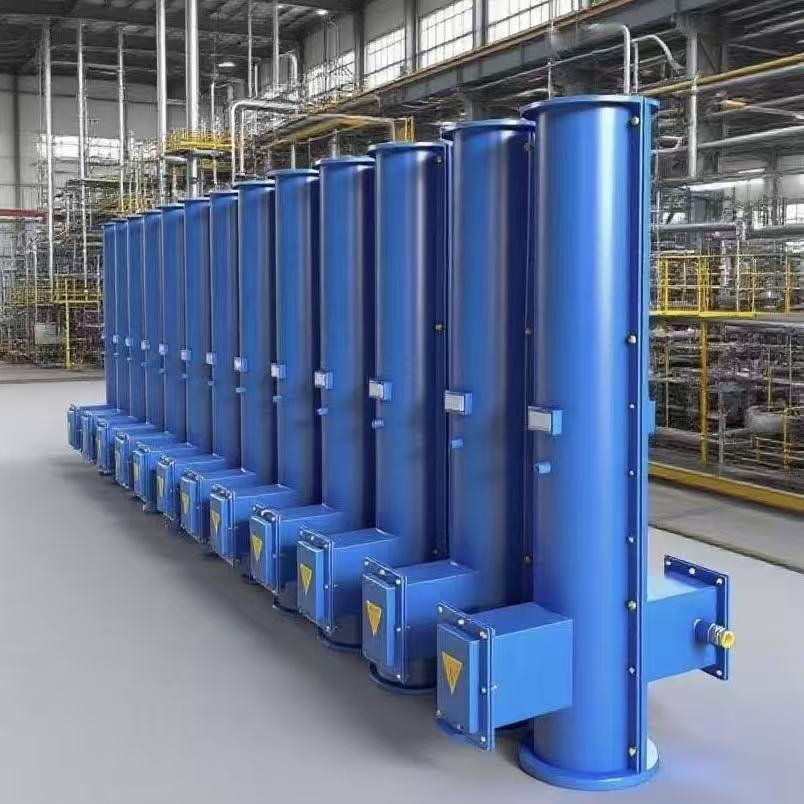
Pipeline electric heaters function by converting electrical energy into heat through resistive elements, typically sheathed in materials like Incoloy or stainless steel. These elements are installed directly in the fluid stream or embedded in a shell that wraps around the pipe. When current passes through the heating coil, it generates thermal energy that transfers to the flowing medium—whether gas, oil, or water—raising its temperature to the desired setpoint.
The system’s control mechanism monitors outlet temperature via thermocouples and adjusts the power supply accordingly, ensuring consistent warmth without hot spots or energy waste. This on-demand heating approach allows precise temperature management across long pipeline runs, which is especially vital in cold environments where viscosity can spike or freezing might occur. As fluid moves through, it carries the heat away, making the process both efficient and responsive to changing flow rates.
Where These Heaters Shine: Key Industrial Uses
In manufacturing, industrial heaters are the backbone of consistent process temperatures. They handle everything from curing composites for aerospace parts to preheating metals before forging. Engineers count on these units to maintain tight thermal bands, which directly affects product quality and production speed.
Food and beverage plants present a different challenge altogether. Here, heaters serve in jacketed kettles, drying tunnels, and steam generation for sanitation. The ability to deliver clean, uniform heat without off-flavors or contamination makes them essential for everything from chocolate tempering to pasteurizing dairy products.
The petrochemical sector leans heavily on industrial heaters for keeping viscous materials flowable. Whether it's warming crude oil for transportation across cold regions or maintaining reaction conditions in refineries, these heaters prevent costly downtime. They also play a role in heating cleaning solutions for equipment maintenance, demonstrating the versatility that few other tools can match.
Saving Energy, Cutting Costs: The Efficiency Edge
Efficiency isn’t just about using less energy—it’s about making every watt work harder for you. By shifting to smarter systems and smarter habits, businesses can slash operational costs while maintaining, or even improving, output. Simple upgrades like motion-activated lighting, better insulation, and energy-efficient appliances often pay for themselves within months, creating a cycle where lower bills fund further improvements. The result is a workplace that runs cooler, costs less, and contributes to a healthier bottom line.
But the real edge comes when you view efficiency as a continuous process rather than a one-time fix. Modern energy management tools can provide real-time data, pinpointing exactly where power is wasted. This visibility turns energy from a fixed expense into a controllable variable. When teams are empowered to track usage and respond quickly to anomalies, they often discover savings hidden in off-hours equipment, overcooled server rooms, or outdated machinery. Small, consistent adjustments compound, delivering savings that grow year after year without sacrificing performance.
Beyond the immediate financial gains, an efficiency-first approach strengthens resilience against fluctuating energy prices and strengthens your brand’s commitment to responsible operations. It’s not about grand gestures; it's about making smarter choices that align sustainability with practical business needs. The efficiency edge is available to any organization willing to look closely at how, when, and why it consumes power—and then act on what it finds.
Built to Fit: Customizing Your Heating Solution
Heating your space shouldn’t feel like choosing from a limited menu. Every building, room, or workspace has its own rhythm—different layouts, usage patterns, and comfort needs. That’s why rigid, one-size-fits-all systems often leave someone feeling cold while another corner is overheating. A truly effective solution starts with listening to how you actually use your environment, then shaping the heat output, controls, and even aesthetics to match. Instead of forcing your life around a heater, the heater adapts to you.
Customization goes beyond picking a wattage number. It means thinking about how warmth spreads through your specific area. Maybe you have a drafty workshop with high ceilings, or a quiet office where noise level matters as much as temperature. A personalized approach takes those quirks into account, suggesting elements like targeted infrared panels for zonal comfort, or smart thermostats that learn when rooms are occupied. The result isn’t just warmer air—it’s a system that fits into daily routines almost invisibly, without interrupting or being noticed.
Even the visual aspect plays a role. Heating equipment doesn’t have to be an eyesore. For modern homes or design-conscious offices, panels can be printed with custom images, colored to blend with walls, or shaped to function as both art and appliance. In industrial settings, units can be built to withstand specific conditions or fit unusual mounting spaces. Ultimately, building a heating solution from scratch around your constraints and tastes turns a utility into something personal, efficient, and far less wasteful than settling for off-the-shelf.
Safety First: Features That Protect Your Operations
Every operational decision carries risk, but the right safeguards can make all the difference when pressure mounts. Advanced sensor arrays continuously scan for anomalies in temperature, pressure, or vibration, triggering automatic shutdowns before minor hiccups become major failures. These systems don't rely on a single threshold—they learn from patterns, adapting to the unique rhythm of your equipment so they can spot trouble that static rules would miss.
Beyond equipment protection, features like real-time hazard alerts and geofencing keep people out of harm's way. If a worker enters a restricted zone, wearable tags and environmental beacons collaborate to sound local warnings and pause nearby machinery. The interface strips away complexity, displaying only what's needed in the moment, so even under stress the right action is obvious—no menus, no guesswork.
Behind the scenes, redundant fail-safes ensure that no single point of control can compromise safety. Distributed decision-making nodes cross-check each other continuously, while encrypted logs capture every action for analysis without slowing down operations. It's a quiet layer of intelligence that doesn't just enforce rules; it understands context, giving you the confidence to push boundaries while staying firmly grounded in reality.
Keeping It Running: Installation and Maintenance Tips
Getting a system up and running is only half the battle; the real challenge lies in keeping it that way. It starts with the installation itself. Too often, people rush through this phase, skipping steps to save a few minutes, only to pay for it later with erratic performance or complete breakdowns. Take the time to read the manual—yes, the one everyone ignores—and pay attention to the environment where the unit will live. Is the surface level? Is there enough ventilation? How about the voltage stability? A shaky foundation, whether physical or electrical, guarantees a bumpy ride.
Once operational, a little routine attention goes a long way. Don’t wait for a warning light to flicker; set a recurring schedule to inspect connectors, clean filters, and listen for subtle changes in sound or vibration. These small checks often reveal issues before they escalate. For mechanical parts, lubrication intervals matter more than most realize, and for electronics, firmware updates can patch strange bugs that otherwise defy explanation. The trick is consistency—treat maintenance not as a chore, but as a habit that protects your time and money in the long run.
When something does go wrong, resist the urge to improvise. A quick online search might lead you down a rabbit hole of conflicting advice, and makeshift fixes can create secondary problems. Instead, keep a log of the symptoms and what you were doing when they appeared; this narrative often points straight to the root cause. If the solution isn’t obvious, reach out to someone with hands-on experience—an old-school technician who values diagnostics over guesswork. There’s a quiet confidence that comes from knowing your setup isn’t just barely running, but truly reliable.
FAQ
Pipeline electric heaters are in-line devices that use electrical resistance to directly heat fluids or gases as they flow through a pipe. A heating element, often made of materials like Incoloy or stainless steel, transfers thermal energy to the medium without combustion, ensuring precise temperature control for processes such as chemical reactions, oil preheating, or freeze protection.
You'll find them hard at work in oil and gas (for crude viscosity reduction), chemical processing (maintaining reaction temperatures), power generation (fuel gas heating), food and beverage (pasteurization), and water treatment. Basically, any sector that needs consistent, flameless heat in a contained pipeline system benefits from their use.
Efficiency and precision are the big wins. Electric heaters convert almost all input energy into heat right at the point of use, avoiding flue losses. They also ramp up fast, allow tight temperature regulation without overshoot, and don't require extensive venting or fuel storage infrastructure, making them safer and often smaller in footprint.
Absolutely. They're built with robust pressure vessels and wetted parts selected for compatibility—think 316L stainless steel or specialized alloys. For hazardous environments, they can meet ASME pressure codes and ATEX/IECEx certification, so they’re trusted in refineries, offshore platforms, and chemical plants where reliability isn't optional.
Most units come with digital thyristor or SSR-based controls, offering PID algorithms that keep temperatures within a degree of setpoint. You can integrate them with plant-wide SCADA via Modbus or Profibus, enabling remote monitoring, multi-zone heating profiles, and even predictive maintenance alerts if something drifts out of spec.
Installation is straightforward: they usually flange directly into the pipeline. But always ensure proper insulation to minimize thermal losses, and allow for thermal expansion. Maintenance is minimal—periodic inspection of the heating element for scale buildup, checking electrical terminations for tightness, and verifying control sensor accuracy keeps them running for years.
Sizing hinges on flow rate, required temperature rise, fluid specific heat, and density. Simple math: kW = (flow rate × specific heat × ΔT) / 3412 (for imperial units). But in practice, you also need to account for heat losses, maximum allowable watt density to prevent fluid degradation, and sometimes material viscosity. Suppliers often provide sizing programs to nail down the right configuration.
You'll see multiple layers of protection: high-limit thermostats that cut power if over-temperature occurs, earth leakage circuit breakers, flow switches that prevent dry firing, and sometimes redundant sensors. In hazardous areas, flameproof enclosures and purged systems are common. It's all about ensuring no single failure leads to a hazardous situation.
Conclusion
Pipeline electric heaters deliver consistent, on-demand heating by channeling fluid through a closed pipe where an electric element directly raises the temperature. The design allows for rapid heat transfer and precise control, as the element responds almost instantly to adjustments. This direct-contact approach suits a wide range of heavy-duty settings, from keeping crude oil viscous enough to pump in cold climates to maintaining sterile conditions in pharmaceutical production. Utility plants, chemical reactors, and food-processing lines all benefit from the uniform warmth these heaters provide, avoiding hot spots that could damage products or create safety risks. Customization further expands their role: materials like stainless steel or Incoloy accommodate corrosive media, while specialized flange connections and variable watt densities let engineers match the heater exactly to the line’s pressure and flow demands, reducing installation headaches.
What truly sets these heaters apart is their ability to pare down energy waste. Because electricity converts to heat with near-total efficiency inside the pipe, losses that plague gas- or oil-fired boilers are sidestepped. Advanced controls monitor outlet temperatures and scale power draw in real time, translating to noticeably lower utility bills. Operational safety is designed in from the start, with layers such as automatic high-limit cutoffs, sealed terminal housings, and ground-fault detection that protect both the process and the team. After commissioning, a light but disciplined maintenance routine—periodic checks of terminal tightness, insulation resistance, and any buildup on the element—keeps performance steady for years. Altogether, professional pipeline electric heaters merge cleanliness, precision, and reliability, giving industrial operators a future-proof path to fluid heating that is as gentle on budgets as it is on the environment.
Contact Us
Contact Person: Mr. Wang
Email: [email protected]
Tel/WhatsApp: 8613705299955
Website: https://vip.e-baixing.com/szhgyw