

Top Medium Voltage Switchgear Suppliers for Your Operations
2025-12-21
When it comes to ensuring the efficiency and safety of your medium voltage switchgear operations, choosing the right supplier can make all the difference. In this article, we'll explore key players in the industry that offer reliable solutions, including insights on how CNKEEYA stands out with its innovative approach. Whether you're upgrading existing systems or planning new installations, understanding these top suppliers will help you make informed decisions for optimal performance. Dive in to discover what sets the best apart and how they can support your operational goals.
Leading Suppliers in the Medium Voltage Switchgear Market
The medium voltage switchgear market is dominated by a select group of suppliers who have established themselves through a combination of innovation, reliability, and extensive global reach. Companies like ABB, Siemens, and Schneider Electric consistently top the list, leveraging decades of expertise to deliver advanced solutions that cater to diverse industrial and utility needs. These leaders are known for their robust product portfolios, which include air-insulated and gas-insulated switchgear, designed to enhance safety and efficiency in power distribution networks, from urban grids to renewable energy installations.
Beyond the traditional giants, emerging players and regional specialists are making significant strides by focusing on niche segments and tailored offerings. Firms such as Eaton and Mitsubishi Electric have carved out strong positions by integrating smart technologies and sustainability features into their switchgear systems, appealing to clients seeking energy optimization and digital integration. This competitive landscape is further enriched by suppliers in Asia and other regions, who are gaining traction through cost-effective solutions and rapid adaptation to local market demands, challenging the established order and fostering innovation across the industry.
What truly sets the leading suppliers apart is their commitment to after-sales support and continuous improvement, ensuring long-term performance and customer satisfaction. By investing in R&D for eco-friendly materials and IoT-enabled monitoring, these companies are not just selling products but building partnerships that drive the evolution of medium voltage infrastructure, positioning themselves as indispensable partners in the global push for smarter, more resilient power systems.
Key Factors to Consider When Choosing a Supplier
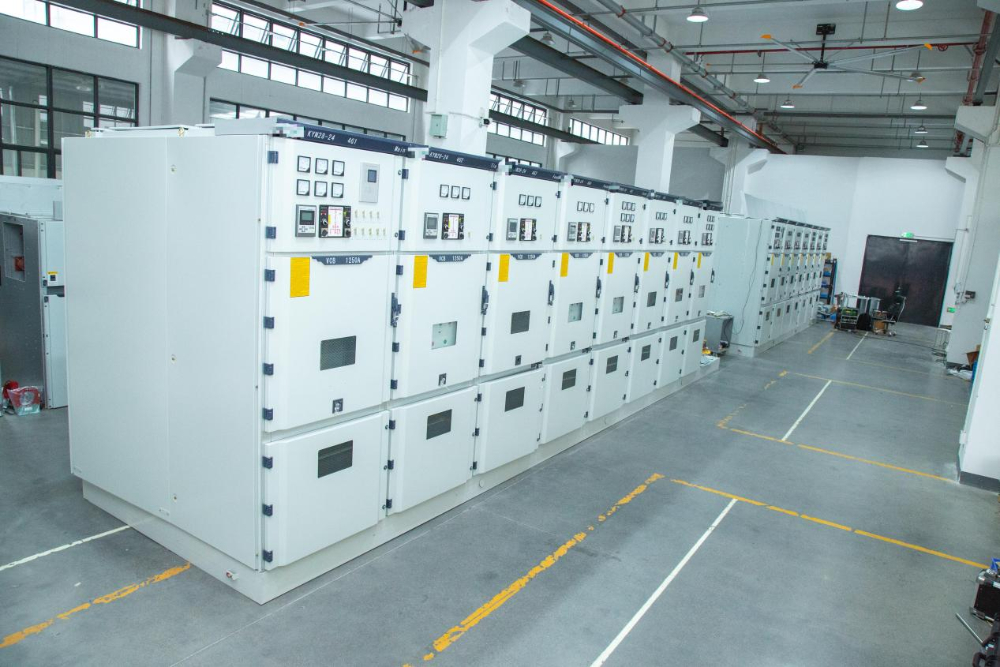
Picking the right supplier can make or break your business, so it's crucial to think beyond just price. Quality and consistency should be top of mind—after all, a cheap deal means nothing if products constantly fail or arrive late. Consider how well the supplier's processes align with your own; a partner who grasps your needs and communicates clearly will save headaches down the line.
It's wise to peek behind the curtain and check their reliability track record. Ask for references or case studies, and don't shy away from probing about their capacity during peak times. A supplier that crumbles under pressure might cost you big in lost sales or customer trust.
Don’t overlook the intangibles, either. How adaptable are they when you need to tweak an order? Do they embrace sustainability or ethical practices that mirror your brand values? Sometimes, the little extras—like proactive problem-solving or shared long-term vision—turn a good supplier into an indispensable ally.
Innovation and Technology Advancements in Switchgear Solutions
Recent breakthroughs in switchgear technology are reshaping how industries manage electrical power distribution, with a focus on enhancing safety and efficiency. For instance, the integration of smart sensors and IoT connectivity enables real-time monitoring of equipment health, allowing for predictive maintenance that minimizes downtime and prevents costly failures. These advancements are not just incremental updates but represent a shift toward more resilient and adaptive systems, tailored to meet the demands of modern infrastructure and renewable energy integration.
Innovations in materials and design also play a crucial role, such as the development of eco-friendly insulating gases that replace traditional SF6, significantly reducing environmental impact without compromising performance. This move toward sustainability is complemented by compact, modular designs that offer greater flexibility in installation and scalability, catering to diverse applications from commercial buildings to industrial complexes. By pushing the boundaries of what switchgear can achieve, these technological leaps help businesses stay ahead in an increasingly electrified world.
Looking ahead, the convergence of digitalization and automation continues to drive progress, with features like advanced arc flash protection and self-healing capabilities becoming standard in new solutions. This evolution not only improves operational safety but also empowers users with data-driven insights for optimized energy management. As a result, switchgear is evolving from mere hardware into intelligent networks that adapt to dynamic power needs, setting new benchmarks for innovation in the electrical sector.
Real-World Applications and Industry Use Cases
In sectors like healthcare, AI algorithms are actively deployed to streamline diagnostic processes, from interpreting medical images to predicting patient outcomes, which significantly enhances the efficiency of clinical workflows. Beyond the clinic, these technologies also support telemedicine platforms, enabling remote consultations and continuous patient monitoring that bridge gaps in accessibility, especially in underserved regions. By integrating machine learning, institutions can not only cut down on administrative burdens but also foster more personalized care approaches, leading to better health management and reduced operational costs.
The financial industry leverages robust AI systems for real-time fraud detection, where sophisticated models analyze transaction patterns to flag anomalies and prevent unauthorized activities before they escalate. Investment firms utilize predictive analytics to assess market trends and optimize portfolio strategies, helping traders make data-driven decisions amid volatile conditions. Additionally, customer service chatbots driven by natural language processing automate routine inquiries, improving response times and freeing up human agents for complex issues, thereby enhancing overall client satisfaction and retention.
Manufacturing environments benefit from AI through predictive maintenance, where sensors on machinery collect data to forecast equipment failures and schedule proactive repairs, minimizing downtime and prolonging asset lifespan. Robotics and computer vision systems are also employed for quality control, inspecting products on assembly lines with high precision to detect defects that might escape human eyes. This integration not only boosts production rates but also ensures consistency in output, helping companies meet stringent standards and reduce waste, which is crucial in competitive global markets.
Cost-Effectiveness and Long-Term Value Analysis
In today's fast-paced market, understanding cost-effectiveness isn't just about crunching numbers; it's about seeing beyond immediate expenses to uncover lasting benefits. This approach shifts focus from short-term savings to how investments contribute to growth, reliability, and adaptability over years. By evaluating factors like maintenance costs, operational efficiency, and potential upgrades, businesses can make informed choices that pay off well into the future, avoiding the pitfalls of cheap alternatives that often lead to higher long-term outlays.
Diving deeper, long-term value analysis goes hand-in-hand with cost-effectiveness, emphasizing sustainability and strategic alignment. It considers how a solution or product fits into broader organizational goals, such as enhancing customer satisfaction or supporting environmental initiatives. This perspective encourages selecting options that not only meet budgetary constraints but also build resilience against market changes, ensuring that value compounds over time rather than diminishing with wear and tear or technological obsolescence.
To stand out in competitive landscapes, adopting a nuanced view of these concepts can set companies apart. Instead of relying on generic metrics, tailor analyses to specific contexts, like industry trends or user feedback, highlighting unique advantages that drive loyalty and innovation. This personalized approach fosters smarter decision-making, turning cost-effectiveness into a dynamic tool for achieving enduring success and distinguishing offerings in a crowded marketplace.
Future Trends Shaping Medium Voltage Switchgear Selection
As industries increasingly prioritize efficiency and reliability, the selection of medium voltage switchgear is evolving to incorporate advanced technologies like digital monitoring and smart grid integration. These innovations not only enhance operational transparency but also allow for predictive maintenance, reducing costly downtime and extending equipment lifespan. Manufacturers are now focusing on modular designs that simplify installation and future upgrades, ensuring systems remain adaptable to changing energy demands.
Sustainability is becoming a key driver, with a growing emphasis on eco-friendly materials and energy-efficient components that minimize environmental impact. This shift is pushing engineers to consider switchgear with lower greenhouse gas emissions and higher recyclability, aligning with global green initiatives. Moreover, the rise of renewable energy sources necessitates switchgear capable of handling variable power flows, making flexibility a critical factor in modern selections.
In addition, safety standards are tightening, leading to the adoption of arc-resistant designs and improved fault detection mechanisms that protect both personnel and infrastructure. This trend is complemented by the integration of IoT-enabled sensors, which provide real-time data for better decision-making and risk management. Ultimately, these developments are reshaping how professionals evaluate switchgear, moving beyond traditional specs to assess long-term value and resilience in a dynamic energy landscape.
FAQ
Key considerations include reliability, technical support, compliance with international standards like IEC or ANSI, customization options, and after-sales service, as these ensure safe and efficient operations tailored to your needs.
Top suppliers typically offer extensive product ranges, global service networks, and robust R&D capabilities, while niche providers may focus on specific applications or offer more personalized, agile solutions in particular regions.
Yes, trends include smart switchgear with IoT integration for real-time monitoring, eco-friendly designs using SF6-free insulation, and increased use of digital twins for predictive maintenance and enhanced durability.
Challenges involve long lead times, high costs, and compliance complexities; reliable suppliers mitigate these by optimizing production, offering financing options, and providing expert guidance on regulatory requirements.
Yes, many suppliers allow customization for applications like mining or renewable energy, involving collaborative design phases, prototype testing, and adjustments to meet unique voltage, safety, and space constraints.
Sustainability is increasingly critical, with top suppliers focusing on energy-efficient models, recyclable materials, and green manufacturing processes to reduce environmental impact and meet corporate sustainability goals.
Assess by reviewing warranty terms, availability of spare parts, training programs for technicians, and case studies of past projects to gauge their commitment to ongoing support and minimal downtime.
Conclusion
When it comes to sourcing top medium voltage switchgear suppliers for your operations, understanding the market leaders is paramount. Key players like ABB, Siemens, and Schneider Electric dominate due to their proven reliability and global reach. However, choosing a supplier involves more than just brand recognition; critical factors such as technical support, safety features, and customization capabilities must be weighed to ensure a seamless integration into your specific needs. Innovation plays a central role here, with advancements in digital monitoring, smart grid compatibility, and eco-friendly designs transforming traditional switchgear into intelligent, efficient solutions.
Real-world applications across industries like manufacturing, renewable energy, and data centers highlight how these technologies enhance operational resilience and uptime. Cost-effectiveness isn't just about initial pricing but long-term value through energy savings and reduced maintenance. Looking ahead, future trends such as increased automation, cybersecurity integration, and sustainability demands will shape supplier selection, urging operators to prioritize partners who adapt to evolving industry landscapes. Ultimately, selecting a top supplier is a strategic decision that balances current requirements with forward-thinking innovations to secure reliable, efficient operations.
Contact Us
Contact Person: Queenie
Email: [email protected]
Tel/WhatsApp: +86 15558806611
Website: https://www.cnkeeya.com