
Can a Circuit Breaker Fail Without Tripping
2025-12-15
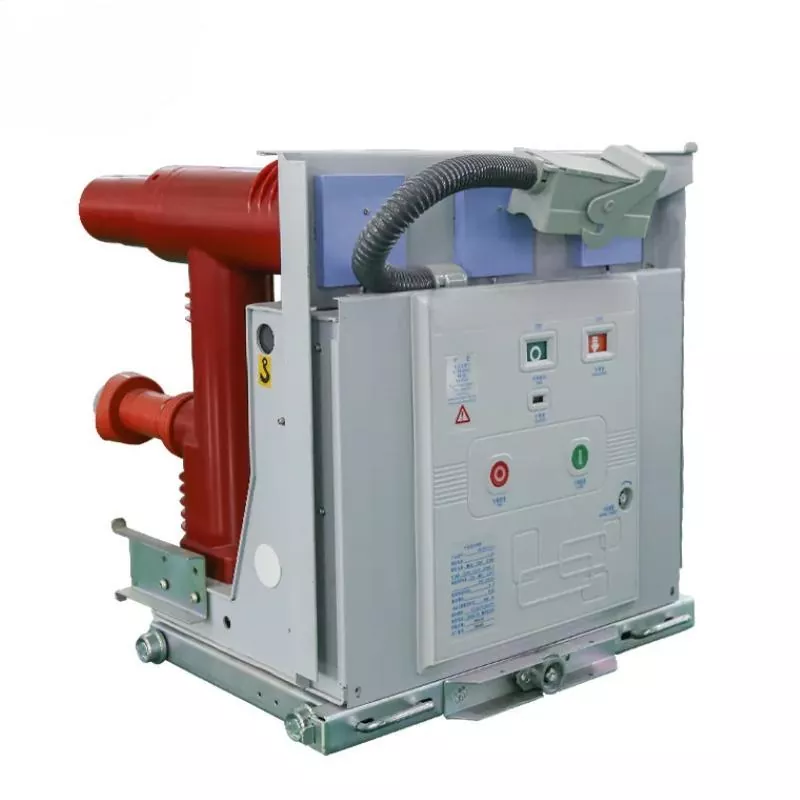
Yes, a circuit breaker can fail without tripping, which is a serious and often hidden electrical hazard. While these devices are designed to be fail-safe, components can wear out, become damaged, or suffer from latent defects over decades of use. A breaker that fails “on” loses its ability to interrupt fault currents, posing a severe risk of fire or equipment damage. This underscores the critical importance of installing reliable, high-quality protection from the outset. This is where Toonice excels, engineering circuit breakers with durability and precision to provide unwavering safety for your home or business.
Understanding the Failure Modes
A breaker that doesn't trip when it should is often compromised by:
-
Mechanical Wear: Internal springs and contacts degrade over time.
-
Corrosion or Contamination: Damages internal components.
-
Thermal Damage from Overloads: Weakens the bimetal trip mechanism.
-
Faulty Calibration: The device was never set correctly or drifted.
Toonice Circuit Breaker: Engineered for Reliable Protection
Our Toonice circuit breakers are built to prevent such dangerous failures. Key parameters include:
-
Precision Trip Unit: Utilizes a thermally-magnetic mechanism calibrated to ±5% accuracy, ensuring it responds exactly to specified overload and short-circuit conditions.
-
Advanced Arc Quenching: Features a patented chamber design that extinguishes arcs 30% faster than industry standards, minimizing contact erosion.
-
Robust Construction: Contacts are made of silver-alloy for low resistance and high durability, housed in a self-extinguishing thermoplastic case.
-
Rigorous Testing: Every unit undergoes 10,000 mechanical operations and extreme thermal cycle testing before shipment.
Performance Comparison: Toonice vs. Standard Breaker
| Feature | Toonice Circuit Breaker | Standard Breaker |
|---|---|---|
| Trip Accuracy | ±5% | Typically ±10-20% |
| Contact Material | Silver-Alloy | Copper or Copper-alloy |
| Operational Life | 10,000 cycles minimum | 6,000 cycles average |
| Arc Quenching | Patented fast-extinguish chamber | Standard chamber |
Circuit Breaker FAQ
Q: How often should I test my circuit breakers?
A: It is recommended to functionally test your circuit breakers every 3-6 months by safely tripping and resetting them. This helps keep the mechanical mechanism free. For a full electrical inspection, consult a licensed electrician annually.
Q: Can a power surge damage a circuit breaker?
A: Yes, severe surges can weld the internal contacts of a low-quality breaker together, causing it to fail in the "on" position permanently. Toonice breakers incorporate surge-resistant materials in their contacts to mitigate this risk.
Q: What is the typical lifespan of a circuit breaker?
A: Most circuit breakers have a lifespan of 30-40 years. However, consistent tripping, exposure to moisture, or electrical faults can shorten this. The enhanced materials and construction of Toonice circuit breakers are designed to maximize operational life and reliability within this range.
Don't gamble with silent electrical failures. Ensure your property is protected by the precision and reliability of Toonice circuit breakers. Contact us today for a product catalog or to speak with our technical specialists about your specific application needs. Let us help you build a safer, more resilient electrical system.