

Can a Glass Chimney Kerosene Heater Keep You Warm Without the Headaches People Worry About?
2025-12-25
I’ll be honest, I used to treat kerosene heaters as a “last resort” option until I started paying attention to what buyers actually complain about. Most people aren’t afraid of heat output. They’re afraid of the smell, the hassle, the safety questions, and the fear of buying something that feels cheap or hard to maintain. That’s exactly why I started looking closer at Zhongze and how their Glass Chimney Kerosene Heater lineup is designed for real-world use, not just a spec sheet.
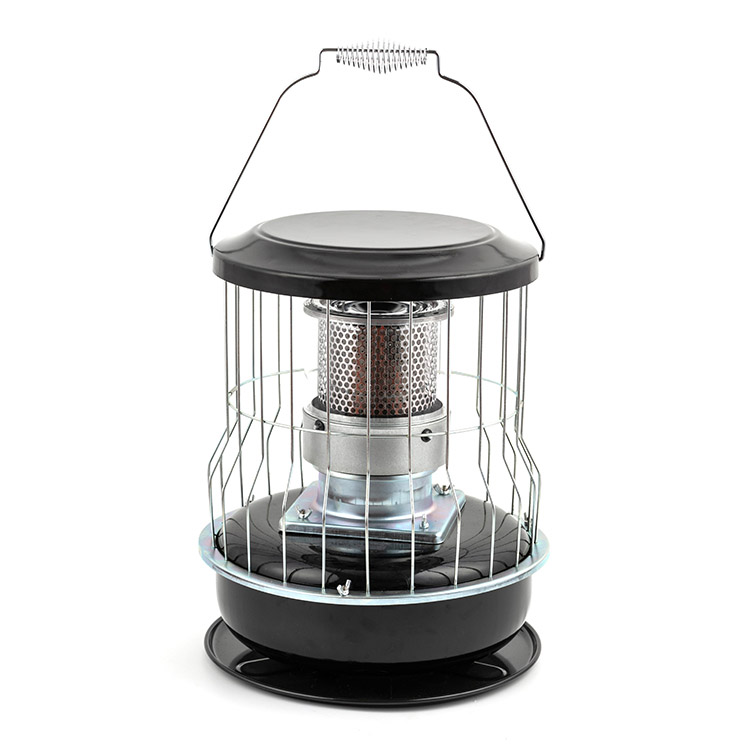
Why do people still choose a Glass Chimney Kerosene Heater in 2026?
Even with electric heaters everywhere, I keep seeing the same situations where kerosene wins:
- Cold spots in garages, workshops, warehouses, cabins, and drafty rooms where central heating doesn’t reach well
- Power instability where you want a heat source that doesn’t depend on an outlet
- Outdoor-adjacent use like covered patios or sheltered camping setups where people want portable warmth
- Emergency readiness because storms don’t ask your permission before they knock out power
But here’s the catch. People don’t just want warmth. They want predictable operation and they want to feel safe using it. A well-built Glass Chimney Kerosene Heater is popular because the glass chimney helps stabilize the flame and makes it easier to visually monitor what’s happening while it runs.
What problems are buyers actually trying to solve when they search Glass Chimney Kerosene Heater?
When someone lands on a product page, they usually have one of these pain points in mind. I’m listing them bluntly because it’s easier to choose the right heater when you name the real issue.
- “I don’t want my room to smell like fuel.”
- “I need stable heat without complicated electronics.”
- “I’m worried about flare-ups, tipping, or unsafe use.”
- “I want something I can maintain without hunting rare parts.”
- “I don’t want to refill constantly.”
In my experience, the product performs best when it’s treated like a practical tool. You choose the right size for the space, use clean fuel, keep airflow in mind, and follow a simple routine. If you do that, a Glass Chimney Kerosene Heater becomes one of the more dependable heating options in its category.
How does a glass chimney design change the day-to-day experience?
The glass chimney isn’t just about looks. It changes how the heater behaves in a few practical ways:
- More stable flame because the chimney helps reduce the impact of light drafts
- Clear visual checks so you can quickly see if the flame height looks correct
- More consistent heat feel because combustion stays steadier when airflow is less chaotic
- Better user confidence because “seeing is believing” matters when you’re managing an open flame appliance
That said, glass is glass. I always tell buyers to treat it with respect. Don’t splash water on a hot chimney, don’t move the heater roughly while it’s hot, and don’t place it where kids or pets can bump into it. Responsible use is part of the product experience with any Glass Chimney Kerosene Heater.
Which features should you compare before you buy?
I like to compare heaters the same way procurement teams do. Not just “Does it heat,” but “Does it make sense to operate and service.” Here’s a practical checklist.
| What I Compare | Why It Matters | What to Look For |
|---|---|---|
| Heat output suitability | Too small won’t warm your space, too large wastes fuel | Realistic room sizing guidance and stable burn performance |
| Fuel tank capacity | Decides how often you refill during long cold nights | Balanced capacity and a design that’s easy to refill cleanly |
| Burn time consistency | “Long burn” only matters if it’s steady and predictable | Even flame behavior and dependable wick performance |
| Flame adjustment control | Controls comfort and reduces overheating in smaller spaces | Smooth adjustment and clear visual feedback through the chimney |
| Portability | You may move it between rooms, job sites, or storage | Stable base, practical handle design, sensible overall weight |
| Serviceability | Wicks and consumables shouldn’t become a scavenger hunt | Clear maintenance guidance and accessible replacement parts |
| Quality and compliance mindset | Reduces risk for importers, distributors, and end users | Clear manufacturing process and consistent QC communication |
When I reviewed Zhongze options, what stood out was the emphasis on being a real manufacturer and exporter focused on kerosene heating products, which matters if you’re buying for distribution or long-term supply rather than a one-off purchase.
How do I reduce odor and smoke concerns with a Glass Chimney Kerosene Heater?
This is the number one anxiety point, and it’s also the easiest to manage if you set up correctly. Here’s the routine I recommend to buyers and first-time users:
- Use clean, appropriate fuel because low-grade fuel is a common cause of unpleasant odor
- Let the wick condition properly after installation so it burns evenly instead of charring
- Adjust flame height correctly because an overly high flame can increase soot and smell
- Keep basic ventilation even in winter, like a small air exchange, because combustion needs fresh air
- Perform simple cleaning so soot doesn’t build up over time
If you’re shopping for a supplier, ask how they guide customers on wick care and setup. A product can be fine, but if the usage guidance is vague, buyers blame the heater. A well-supported Glass Chimney Kerosene Heater should come with practical operating guidance that feels written by someone who has actually used the device.
What makes a Glass Chimney Kerosene Heater a smart choice for importers and distributors?
If you’re not just buying one unit for yourself and you’re thinking like a reseller, I’d focus on repeatability and support. Here’s what I would want from a supplier relationship:
- Stable production so the product stays consistent across batches
- Clear OEM and ODM capability for branding, packaging, and market fit
- Fast communication because lead time questions never stop
- Quality documentation readiness so you can sell with confidence in your market
- Product family coverage so customers can upgrade or switch models without changing brands
This is where Zhongze becomes relevant. If you’re building a kerosene heater category, you usually want a supplier that can support multiple related product styles instead of forcing you to source from three different factories.
Which buying mistakes should you avoid when choosing a Glass Chimney Kerosene Heater?
I see a few mistakes happen over and over, and they’re avoidable if you slow down for two minutes.
- Choosing by looks alone and ignoring whether the unit matches your space size
- Ignoring wick maintenance and then blaming the heater for poor burn quality
- Overfocusing on “maximum output” instead of comfortable controllable heat
- Skipping safety placement rules like clearance from curtains or tight corners
- Not planning fuel storage properly which becomes the real “hassle” later
If your goal is a comfortable, practical heater that’s easy to live with, you’ll usually be happier with a balanced, reliable Glass Chimney Kerosene Heater than with a “bigger must be better” mindset.
How do I decide if Zhongze is the right supplier for my market?
Here’s the approach I take. I treat the first conversation like a real due diligence call. I ask for the details that reveal whether the supplier understands end-user pain points and whether they can support a long-term supply relationship.
- What markets do you ship to most often and what feedback do you hear from buyers
- What packaging options can you provide for retail, online, or bulk distribution
- What spare parts are easiest to supply especially wicks and chimney-related components
- What is your QC routine for batch consistency
- What support do you provide for operation guidance and after-sales questions
If the answers are clear and specific, that’s a good sign. If everything sounds vague, you’ll probably spend your season handling avoidable complaints. A supplier who takes the product seriously will usually help you sell the Glass Chimney Kerosene Heater more smoothly.
Ready to source a dependable Glass Chimney Kerosene Heater for your customers?
If you want a heating product that fits real-world use cases and you’re looking to build a stable supply line, I recommend reaching out directly to Zhongze with your target market, estimated order volume, and any OEM needs. Tell them where you plan to sell, what your customers typically complain about, and what packaging or branding you want, and you’ll get a much more useful response.
Contact us today to request a quote, ask for product details, or discuss OEM options for your next Glass Chimney Kerosene Heater order. If you leave an inquiry with your requirements, you’ll get faster, more accurate recommendations for your market.