

Can an AC Surge Protective Device Prevent Damage from Lightning Strikes
2025-12-31
When a lightning storm approaches, the immediate threat is visible. However, the invisible electrical surge that can travel through power lines poses a severe risk to your home's electronics and appliances. A common question we encounter at Soutya is: Can an AC Surge Protective Device truly shield your property from the immense power of a direct or nearby lightning strike? The answer is nuanced but critical for your protection strategy.
While no device can guarantee 100% protection against a direct lightning strike, a professionally installed AC Surge Protective Device is your first and most crucial line of defense against the secondary surges it creates. Lightning induces massive voltage spikes in utility lines and grounding systems, which then travel into your home. An AC Surge Protective Device, specifically a Type 1 model installed at your main service panel, is engineered to safely divert this excess energy to the ground, significantly reducing the voltage that reaches your valuable equipment.
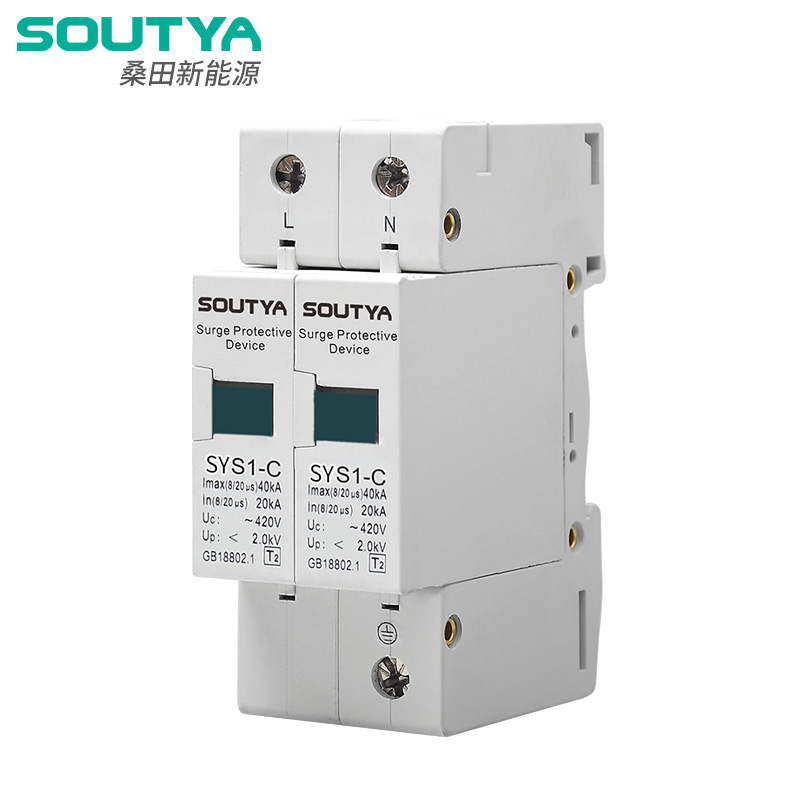
Understanding Surge Protection Levels
For comprehensive lightning-induced surge protection, a layered approach is recommended:
-
Type 1 SPD (Service Entrance): Installed between the utility transformer and your main breaker. It handles the largest surges, like those from lightning.
-
Type 2 SPD (Main Panel): The most common whole-house protection, installed in your main electrical panel. It works in tandem with Type 1 for robust defense.
-
Type 3 SPD (Point-of-Use): These are your power strips and plug-in protectors for individual devices. They offer a final level of clamping.
Comparing Surge Protection Strategies
| Protection Type | Installation Point | Primary Role Against Lightning Surges |
|---|---|---|
| Type 1 SPD | Main Service Entrance | Diverts the largest portion of extreme voltage from external events. |
| Type 2 SPD | Main Distribution Panel | Further reduces surge voltage to safer levels for in-house circuits. |
| Type 3 SPD | Outlet / Device Level | Provides localized, fine protection for sensitive electronics. |
AC Surge Protective Device FAQ
Q: How does an AC Surge Protective Device differ from a regular power strip?
A: A standard power strip offers only multiple outlets and basic circuit breaking. An AC Surge Protective Device, like those from Soutya, contains specialized metal-oxide varistors (MOVs) that detect voltage spikes and instantaneously redirect the harmful excess energy away from your connected equipment, offering a much higher level of protection.
Q: Do I need an electrician to install a whole-house AC Surge Protective Device?
A: Yes. Installing a Type 1 or Type 2 AC Surge Protective Device at your main electrical panel involves working with high-voltage service lines and must be performed by a licensed electrician to ensure safety, proper grounding, and compliance with local electrical codes. Soutya devices are designed for professional installation.
Q: How long does an AC Surge Protective Device last?
A: An AC Surge Protective Device has a finite lifespan based on its exposure to surges. While it may last 5-10 years, its protective components degrade with each surge event. Many Soutya models feature an indicator light that shows when the device is no longer offering protection and needs replacement.
Protecting your home from lightning-induced surges is not about finding a magic shield, but about implementing a proven, layered defense system. Investing in a high-quality AC Surge Protective Device from a trusted brand like Soutya is a proactive step toward safeguarding your significant investments in electronics and ensuring peace of mind during every storm.
Contact us today at Soutya for a personalized consultation. Our experts can help you assess your risk and design the optimal surge protection solution for your unique electrical system.