

How Automotive Relay Improves Vehicle Electrical Performance and Reliability?
2026-07-28
Article Summary
Automotive electrical systems are becoming increasingly complex as modern vehicles integrate more electronic components, intelligent control modules, safety systems, and comfort features. An automotive relay plays a critical role in managing electrical power distribution by controlling high-current circuits through low-current signals. This article explains how automotive relays work, why they are essential for vehicle performance, what challenges they solve, and how selecting the right relay can improve safety, efficiency, and long-term reliability.
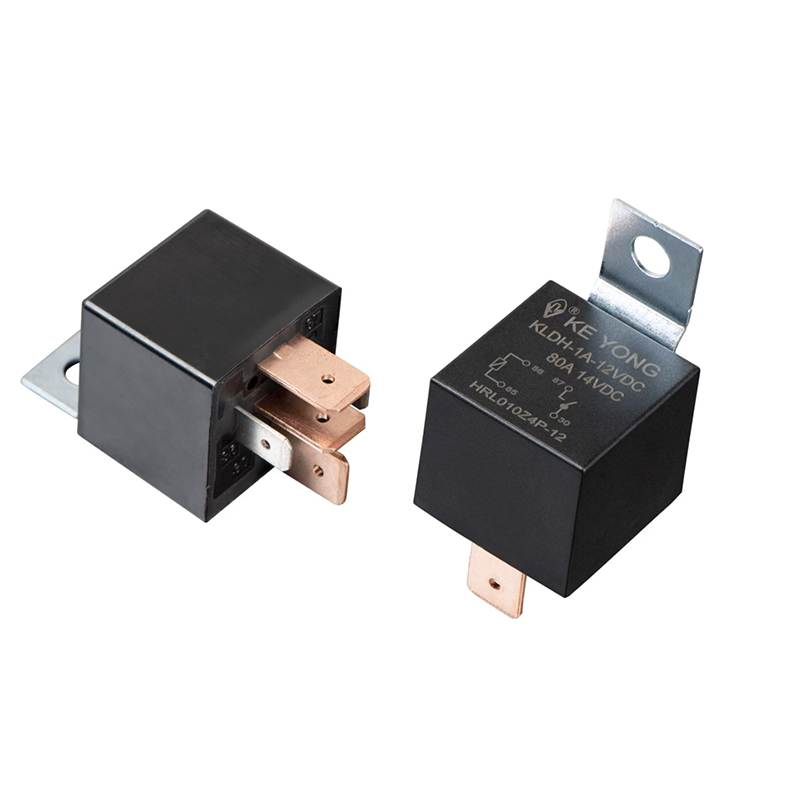
With advanced manufacturing capabilities and professional electrical solutions, NINGBO KEYONG JINGSHENG ELECTRICAL APPLIANCE CO., LTD. provides reliable automotive relay products designed to meet different vehicle application requirements. Understanding the function, advantages, and selection factors of automotive relays helps manufacturers, engineers, and vehicle owners make better decisions for modern automotive electrical systems.
Table of Contents
- 1. What Is an Automotive Relay and Why Is It Important?
- 2. How Does an Automotive Relay Work?
- 3. What Problems Can Automotive Relays Solve?
- 4. Common Applications of Automotive Relays
- 5. Key Advantages of High-Quality Automotive Relays
- 6. How to Choose the Right Automotive Relay?
- 7. Maintenance Tips for Automotive Relay Systems
- 8. Future Development Trends of Automotive Relay Technology
- 9. Frequently Asked Questions About Automotive Relays
1. What Is an Automotive Relay and Why Is It Important?
An automotive relay is an electrically operated switch designed to control high-power circuits inside vehicles. It allows a small electrical signal from a control system to operate a larger electrical load without requiring heavy wiring or excessive current through sensitive components.
Modern vehicles rely on dozens of electrical devices, including headlights, cooling fans, fuel pumps, air conditioning systems, power windows, starters, and electronic control units. Many of these components require significant current to operate effectively. Without a reliable relay system, vehicle wiring could experience overheating, voltage drops, and premature failures.
The primary function of an automotive relay is to provide efficient electrical management. By separating the control circuit from the power circuit, relays improve system safety, protect electrical components, and ensure stable operation under different driving conditions.
2. How Does an Automotive Relay Work?
An automotive relay operates based on electromagnetic principles. Although the internal structure is compact, it performs an important switching function through several key components.
| Component | Function |
|---|---|
| Coil | Creates a magnetic field when electrical current passes through it. |
| Armature | Moves mechanically when attracted by the magnetic field. |
| Contacts | Connect or disconnect the high-current circuit. |
| Housing | Protects internal components from vibration, dust, and environmental impact. |
When a low-current signal activates the relay coil, a magnetic field is generated. This magnetic force moves the internal contact mechanism, allowing current to flow through the high-power circuit. When the signal stops, the relay returns to its original position and disconnects the circuit.
This simple but effective operating principle allows automotive relays to control powerful electrical devices while reducing stress on switches, sensors, and control modules.
3. What Problems Can Automotive Relays Solve?
Vehicle manufacturers and electrical engineers face several challenges when designing reliable electrical systems. Automotive relays provide practical solutions to many of these issues.
| Common Challenge | How Automotive Relay Helps |
|---|---|
| High current requirements | Allows low-power control signals to manage high-current devices. |
| Electrical overload risk | Reduces stress on switches and control circuits. |
| Voltage loss | Provides efficient power transmission for important components. |
| Complex vehicle electronics | Supports organized electrical system management. |
| Safety concerns | Improves circuit protection and operational stability. |
As vehicles continue to adopt intelligent systems and electric technologies, the demand for dependable automotive relay solutions continues to increase.
4. Common Applications of Automotive Relays
Automotive relays are used in a wide range of vehicle systems. Their ability to handle different voltage and current requirements makes them suitable for both traditional vehicles and advanced automotive platforms.
- Lighting Systems: Controls headlights, fog lights, and auxiliary lighting equipment.
- Starter Systems: Manages high current required for engine starting.
- Fuel Pump Systems: Provides reliable switching for fuel delivery components.
- Cooling Systems: Controls radiator fans and thermal management devices.
- Air Conditioning Systems: Supports compressor and blower motor operation.
- Safety Systems: Helps manage electronic safety devices and warning systems.
- Electric Vehicle Components: Supports battery management and power distribution applications.
5. Key Advantages of High-Quality Automotive Relays
Choosing a high-quality automotive relay can significantly influence vehicle reliability and electrical performance. Professional relay solutions offer several important benefits.
- Stable Electrical Performance: Ensures consistent switching operation under different conditions.
- Long Service Life: Durable materials reduce contact wear and mechanical failure.
- Fast Response: Enables quick activation of vehicle electrical functions.
- Compact Design: Saves installation space while maintaining strong performance.
- Environmental Resistance: Provides protection against vibration, temperature changes, and moisture.
NINGBO KEYONG JINGSHENG ELECTRICAL APPLIANCE CO., LTD. focuses on producing automotive relay products with reliable structures and consistent quality control to support various automotive applications.
6. How to Choose the Right Automotive Relay?
Selecting a suitable automotive relay requires careful consideration of electrical specifications, application requirements, and operating environments.
| Selection Factor | Important Consideration |
|---|---|
| Voltage Rating | Match the relay voltage with the vehicle electrical system. |
| Current Capacity | Select a relay that can safely handle the required load. |
| Contact Configuration | Choose suitable normally open, normally closed, or changeover designs. |
| Operating Environment | Consider temperature, vibration, and moisture resistance. |
| Quality Standards | Ensure reliable manufacturing and testing processes. |
Using an incorrectly rated relay may result in overheating, unstable operation, or damage to connected components. Professional guidance and accurate specifications are important when selecting relay products.
7. Maintenance Tips for Automotive Relay Systems
Although automotive relays are designed for durability, regular inspection can help prevent unexpected electrical failures.
- Check relay connections for corrosion or looseness.
- Inspect unusual clicking sounds or delayed electrical responses.
- Replace damaged relays with compatible specifications.
- Keep relay areas protected from excessive moisture.
- Follow vehicle manufacturer recommendations for electrical maintenance.
Proper maintenance helps extend relay service life and ensures vehicle systems continue operating safely.
8. Future Development Trends of Automotive Relay Technology
The automotive industry is moving toward electrification, automation, and intelligent transportation. These changes create new requirements for relay performance.
- Higher Reliability: Future relays will require improved durability for demanding automotive environments.
- Miniaturization: Smaller designs will support compact electronic architectures.
- Higher Efficiency: Advanced materials will help reduce energy losses.
- Electric Vehicle Compatibility: Relays will play an important role in battery and power management systems.
- Smart Control Integration: Intelligent switching technologies will support advanced vehicle functions.
As automotive technologies evolve, reliable relay solutions will remain an essential part of vehicle electrical systems.
9. Frequently Asked Questions About Automotive Relays
Q1: What is the main purpose of an automotive relay?
An automotive relay controls high-current electrical devices through a low-current signal, improving safety and reducing stress on vehicle wiring systems.
Q2: How do I know if an automotive relay is failing?
Common signs include electrical devices not working properly, intermittent operation, unusual relay sounds, or complete circuit failure.
Q3: Are all automotive relays interchangeable?
No. Automotive relays differ in voltage rating, current capacity, contact configuration, and design specifications. The correct relay must match the application requirements.
Q4: Why is relay quality important in vehicles?
A reliable relay ensures stable electrical switching, improves system safety, and helps prevent failures caused by overheating or poor connections.
Q5: Where can I find reliable automotive relay solutions?
NINGBO KEYONG JINGSHENG ELECTRICAL APPLIANCE CO., LTD. provides professional automotive relay solutions designed for dependable performance and various vehicle applications.
Conclusion
Automotive relays are small but essential components that help vehicles achieve safer, more efficient, and more reliable electrical performance. By controlling high-current circuits through low-current signals, they protect vehicle systems and support the operation of critical components.
With increasing demand for advanced automotive electronics, selecting dependable relay products from experienced manufacturers becomes more important than ever. NINGBO KEYONG JINGSHENG ELECTRICAL APPLIANCE CO., LTD. continues to provide quality automotive relay solutions that meet modern vehicle requirements.
For professional automotive relay products, customized solutions, and reliable electrical support, please contact us today to discuss your requirements and discover the right solution for your automotive applications.