

How Can a 12kW Single Phase Hybrid Inverter Improve Modern Solar Energy Management?
2026-09-28
As residential and small commercial solar systems become more dependent on energy storage, choosing the right inverter is increasingly important. A 12kW Single Phase Hybrid Inverter combines solar power conversion, battery charging and discharging, grid interaction, and backup energy management in one integrated system. Unlike a conventional grid-tied inverter, a hybrid inverter can coordinate power from photovoltaic panels, batteries, the utility grid, and electrical loads, helping users make better use of available solar energy. For projects requiring relatively high single-phase output, Sinaoh Limited Co., Ltd. provides solutions designed around practical energy management, flexible application requirements, and reliable power conversion.
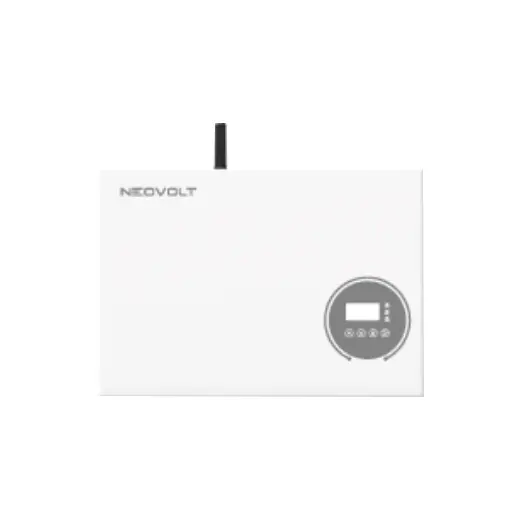
What Is a 12kW Single Phase Hybrid Inverter?
A 12kW Single Phase Hybrid Inverter is a power conversion device with a rated output capacity of approximately 12kW. Its hybrid architecture allows it to work with both solar panels and battery storage while maintaining communication with the utility grid.
The basic energy flow can be understood as:
- Solar panels → Inverter → Loads
- Solar panels → Battery → Loads
- Grid → Inverter → Loads
- Solar panels → Loads + Battery
- Battery → Loads during backup operation
This integrated configuration reduces the need for separate solar and battery inverters. Hybrid inverters are specifically designed to combine the functions of solar and battery inverters within one system.
For a 12kW system, the relatively high output capacity makes it suitable for applications where multiple electrical loads need to operate simultaneously, provided that the site's electrical service, battery capacity, PV array, and local grid requirements are correctly matched.
Why Is 12kW Capacity Important?
The 12kW capacity provides a practical balance between power availability and system scale. Compared with smaller residential inverters, it can support a greater number of electrical loads, making it useful for larger homes, workshops, rural properties, small commercial buildings, and other single-phase applications.
The actual performance depends on system design rather than inverter capacity alone. Important factors include PV input capacity, battery voltage, maximum charging and discharging current, MPPT configuration, backup output, and installation environment.
For example, current 12kW single-phase hybrid inverter products on the market can feature multiple MPPT trackers, substantial PV input capacity, battery charging/discharging functions, and high-efficiency power conversion.
Key Functions at a Glance
| Function | Main Role | Practical Effect |
|---|---|---|
| Solar conversion | Converts PV DC power into AC power | Makes solar electricity usable |
| Battery management | Charges and discharges batteries | Stores surplus solar energy |
| Grid interaction | Imports or exports electricity | Improves energy flexibility |
| Backup supply | Supports selected loads during outages | Enhances power continuity |
| MPPT tracking | Optimizes solar input | Improves PV energy harvesting |
| Energy management | Controls different power sources | Reduces unnecessary grid consumption |
How Does It Improve Energy Utilization?
One of the major advantages of a hybrid inverter is its ability to coordinate energy sources according to system conditions.
During the daytime, solar energy can first supply household or commercial loads. When generation exceeds immediate demand, the surplus can be directed toward battery charging. Later, stored electricity can be used when solar generation falls or electricity demand increases.
This operating pattern can help increase solar self-consumption and reduce dependence on grid electricity. Hybrid inverter systems are commonly designed to prioritize loads, battery charging, grid interaction, or other operating modes according to system configuration.
For users with time-of-use electricity pricing, battery storage can also provide greater flexibility by storing energy when appropriate and supplying loads during higher-cost periods.
What Role Does It Play During a Power Outage?
Backup capability is another important reason to consider a hybrid inverter.
When correctly configured with a compatible battery and backup output, a hybrid system can continue supplying designated loads after a grid interruption. Typical critical loads may include:
- Lighting systems
- Refrigerators and freezers
- Network equipment
- Security systems
- Computers and office equipment
- Heating or cooling controls
- Selected household appliances
However, 12kW rated output does not automatically mean every connected load can be backed up. Backup performance depends on the inverter's design, battery capacity, transfer characteristics, wiring configuration, and the connected loads.
Single-phase backup systems also have phase-specific limitations. Where a property uses a three-phase electrical supply, a single-phase hybrid inverter generally provides backup only to circuits connected to its supported phase.
Which Applications Can Benefit From a 12kW Single Phase Hybrid Inverter?
A 12kW system can be considered for a variety of projects where single-phase power and energy storage are required.
Residential applications
- Large homes
- Villas
- Rural properties
- High-energy households
- Homes with electric heating or cooling
Commercial applications
- Small offices
- Retail facilities
- Workshops
- Small farms
- Service businesses
- Remote commercial buildings
Special energy applications
- Solar-plus-storage projects
- Backup power systems
- Off-grid or hybrid energy projects
- Areas with unstable grid supply
- Projects requiring greater solar self-consumption
The correct selection should always be based on the actual load profile and local electrical requirements rather than simply choosing the largest available inverter.
How Can Sinaoh Support Hybrid Energy Projects?
Sinaoh Limited Co., Ltd. focuses on energy conversion and storage solutions for customers seeking practical solar power management. For buyers evaluating a 12kW Single Phase Hybrid Inverter, factors such as system compatibility, battery configuration, PV capacity, operating modes, monitoring requirements, and application environment should be considered together.
A suitable hybrid inverter should not only provide sufficient output power but also work smoothly with the entire energy system. Battery communication, MPPT design, protection functions, monitoring interfaces, installation conditions, and backup requirements can all affect the final system performance.
For distributors, installers, project developers, and system integrators, this system-oriented approach can make it easier to develop solar-plus-storage solutions for different customer requirements.
What Should Buyers Check Before Selection?
Before purchasing a 12kW hybrid inverter, buyers can review the following points:
- Rated AC output: Confirm that 12kW meets the project's continuous load requirements.
- PV input capacity: Check whether the inverter can accommodate the planned solar array.
- MPPT configuration: Multiple MPPT channels can provide greater flexibility for different PV orientations.
- Battery compatibility: Confirm battery voltage range, chemistry, BMS communication, and charging/discharging current.
- Backup function: Determine which loads need backup and whether the inverter supports the required configuration.
- Grid requirements: Check local voltage, frequency, certification, and grid-connection requirements.
- Monitoring: Consider Wi-Fi, RS485, CAN, LAN, or other communication options when remote management is needed.
- Installation environment: Review operating temperature, protection rating, cooling method, and installation space.
A carefully matched system can help users obtain more consistent energy management and make better use of both solar generation and battery storage.
Conclusion
A 12kW Single Phase Hybrid Inverter can serve as the central energy-management component of a solar-plus-storage system. By integrating PV conversion, battery management, grid interaction, and backup functions, it provides greater flexibility than a conventional solar inverter alone.
For larger single-phase homes, small commercial facilities, backup power projects, and solar energy storage applications, the right 12kW solution can support higher energy utilization while creating a more flexible power architecture. Sinaoh Limited Co., Ltd. is committed to providing practical inverter solutions for different energy requirements. If you are planning a solar-plus-storage project or looking for a suitable 12kW Single Phase Hybrid Inverter, contact us to discuss your application and system requirements.