

How Can a Box-Type Transformer Substation Make Power Distribution Simpler and More Reliable?
2026-04-15
When I look at modern power distribution projects, I see the same challenge repeated across industrial parks, commercial buildings, residential developments, renewable energy sites, and temporary construction installations: buyers want a system that is compact, dependable, safe, and easier to deploy without sacrificing performance. That is exactly why Lugao Power Co., Ltd. has become relevant in so many project discussions. Instead of relying on scattered equipment and a longer installation cycle, many engineers and procurement teams now prefer a Box-Type Transformer Substation because it brings major distribution functions together in one integrated, practical solution.
In my experience, choosing the right distribution equipment is rarely about buying a transformer alone. It is about reducing site complexity, controlling maintenance pressure, protecting equipment in real working environments, and making sure the final installation supports long-term project stability. A well-designed Box-Type Transformer Substation helps solve those concerns by combining transformer, switchgear, protection components, and enclosure design into a compact package that fits the pace of modern infrastructure projects.
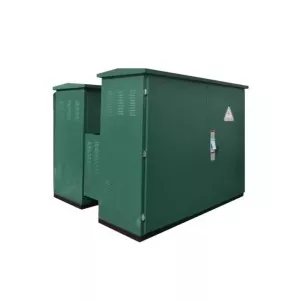
Why Do So Many Buyers Struggle with Traditional Power Distribution Layouts?
I often find that traditional distribution layouts create avoidable pressure in three areas: installation, coordination, and long-term operating cost. When a project depends on separately sourced components, multiple installation stages, and complex on-site assembly, the chance of delay rises quickly. The more interfaces there are between parts, the more room there is for mismatch, rework, and service issues later.
- I may need to coordinate several suppliers instead of one integrated solution provider.
- I may face longer site preparation and more wiring complexity.
- I may have to manage extra civil work because conventional layouts occupy more space.
- I may spend more time dealing with inspection, protection matching, and commissioning.
- I may carry higher maintenance pressure over the full equipment life cycle.
That is why the appeal of a Box-Type Transformer Substation is practical rather than theoretical. It helps me reduce separate procurement risks while giving the project a cleaner and more organized distribution structure.
What Makes a Box-Type Transformer Substation a Practical Choice for Modern Projects?
What I like most about this type of solution is how directly it responds to real project pain points. Instead of treating power distribution as a patchwork of components, it treats the system as one coordinated unit. That is especially helpful when I need shorter delivery logic, cleaner installation planning, and more predictable field performance.
| Project Concern | What Buyers Usually Want | How an Integrated Solution Helps |
| Limited installation space | Compact footprint | Integrated enclosure design reduces equipment sprawl |
| Long installation cycle | Faster deployment | Pre-assembled structure cuts site workload |
| Complex supplier coordination | Simpler sourcing | Main functions are combined in one solution |
| Harsh outdoor conditions | Stable protection | Enclosed design improves environmental resistance |
| Future maintenance pressure | Easier servicing | Organized internal layout supports routine inspection |
From my point of view, a Box-Type Transformer Substation stands out because it is not just compact. It is also built around usability. That matters when I am selecting equipment for projects that need both electrical reliability and construction efficiency.
How Does This Equipment Help Me Save Time on Installation and Project Coordination?
Installation efficiency matters more than many buyers first expect. Even if the product itself looks cost-effective on paper, the total project value changes once transportation, site preparation, assembly, cable routing, and commissioning are added. I have seen many projects benefit when those steps become more streamlined.
With a well-planned Box-Type Transformer Substation, I can often simplify field coordination because the distribution unit arrives with a clearer overall structure. That reduces the burden on the installation team and supports smoother handover. For procurement teams, this can also mean easier communication between electrical design, construction management, and operations staff.
- I can reduce on-site assembly intensity.
- I can shorten the transition from equipment arrival to commissioning.
- I can simplify layout planning for compact or busy sites.
- I can lower the risk of inconsistent integration between separately sourced parts.
For me, that efficiency becomes especially valuable in urban utility work, industrial expansion projects, renewable installations, and temporary power scenarios where schedules are tight and site conditions are less forgiving.
Which Product Advantages Matter Most When I Compare Different Suppliers?
When I compare suppliers, I do not only look at whether they can manufacture the equipment. I look at whether they understand how the product performs in real project environments. A good supplier should think beyond the enclosure and consider electrical coordination, structural integrity, safety access, thermal behavior, and service convenience.
That is one reason companies such as Lugao Power Co., Ltd. attract attention in this field. Buyers are not simply searching for a metal box with internal equipment. They are searching for a complete distribution answer that supports safe operation, practical maintenance, and long-term use across different application scenarios.
| What I Evaluate | Why It Matters | What Strong Suppliers Usually Offer |
| Design integration | Reduces mismatch risk | Coordinated transformer, switchgear, and protection layout |
| Safety design | Protects operators and equipment | Clear internal arrangement and service-friendly access |
| Environmental adaptability | Supports outdoor or demanding sites | Protective enclosure and durable structural design |
| Customization ability | Fits different project needs | Flexible configuration based on voltage and application demands |
| Manufacturing consistency | Supports long-term reliability | Stable production and quality control processes |
If I want a Box-Type Transformer Substation that performs well after installation, these are the details I pay attention to before placing an order.
Is a Box-Type Transformer Substation Suitable Only for Large Utility Projects?
Not at all. One of the reasons this product category remains attractive is its flexibility. I can see it being used in more than one project type because modern power demand is spread across many environments. Some sites need compact electrical distribution because of space limits. Others need fast deployment because of schedule pressure. Others care most about neat integration and easier operation.
In practical terms, this kind of substation can be relevant for:
- Industrial plants that need organized and stable distribution equipment
- Commercial developments where space efficiency matters
- Residential infrastructure projects that need dependable local power distribution
- Renewable energy applications that benefit from integrated electrical support
- Temporary or fast-moving project sites where installation speed matters
- Public infrastructure work that requires compact, protected equipment layout
That broad usability is another reason I see sustained demand for the Box-Type Transformer Substation in international markets.
What Should I Ask Before Choosing the Right Configuration?
Before I move forward with an order, I always try to define the real operating needs of the project. A substation should match the application, not just the catalog description. That means I need to think clearly about where the unit will be installed, how the load behaves, what the site environment looks like, and how the maintenance team will interact with the equipment after commissioning.
- What voltage level and distribution capacity does my project require?
- Will the unit be placed indoors, outdoors, or in a mixed environment?
- How much installation space do I actually have?
- Do I need a configuration tailored to local standards or project drawings?
- Will low-noise, compact design, or service accessibility be especially important?
- Do I need support for a long-term procurement partnership rather than a one-time shipment?
The clearer I am about these questions, the easier it becomes to choose a Box-Type Transformer Substation that delivers practical value instead of creating hidden follow-up problems.
How Can the Right Supplier Turn Product Value into Real Project Results?
I believe the real difference between average equipment sourcing and good procurement lies in whether the supplier understands the buyer's end goal. I do not only want a product shipped. I want a solution that fits my installation logic, project schedule, and performance expectations. That is why supplier communication matters as much as product specification.
When I work with a capable manufacturer, I expect more than basic quotations. I expect responsive communication, configuration guidance, manufacturing consistency, and the ability to align the product with application realities. That kind of support can make the buying process smoother and can also reduce avoidable risk after delivery.
For buyers reviewing options from Lugao Power Co., Ltd., the real value of a Box-Type Transformer Substation is not only that it is compact and integrated. The stronger value is that it can help create a cleaner path from procurement to installation to operation.
Do You Want a More Efficient Way to Move Your Power Distribution Project Forward?
If you are planning a power distribution project and want equipment that helps reduce installation complexity, improve site organization, and support stable long-term operation, a carefully selected Box-Type Transformer Substation may be the right direction. I would strongly recommend discussing your voltage requirements, installation environment, and project goals with a supplier that understands both manufacturing and application needs. If you are ready to compare options, request technical details, or discuss a tailored configuration, contact us today and send your inquiry. The right solution starts with a clear conversation, and your next project may benefit from it sooner than you expect.