

How Can a Compact Substation Make Power Distribution Easier for Space Limited Projects?
2026-05-19
When I look at modern power distribution projects, I often see the same challenge repeated in different places: the site needs safe and stable electricity, but there is not enough room for a traditional substation layout. That is why I pay close attention to solutions from manufacturers such as Conso Electrical Science and Technology Co., Ltd., especially when a project requires a practical, factory assembled, and installation friendly Compact Substation for commercial buildings, industrial plants, renewable energy sites, residential communities, or public infrastructure.
A substation is not only a box with electrical equipment inside. It is part of the daily reliability of a facility. If it is poorly selected, the buyer may face voltage instability, difficult maintenance, delayed installation, higher civil work costs, or safety risks. In this article, I want to explain how I evaluate a Compact Substation, why it can be a smart choice for many projects, and what details I usually check before making a purchasing decision.
What Makes a Compact Substation Different from a Conventional Substation?
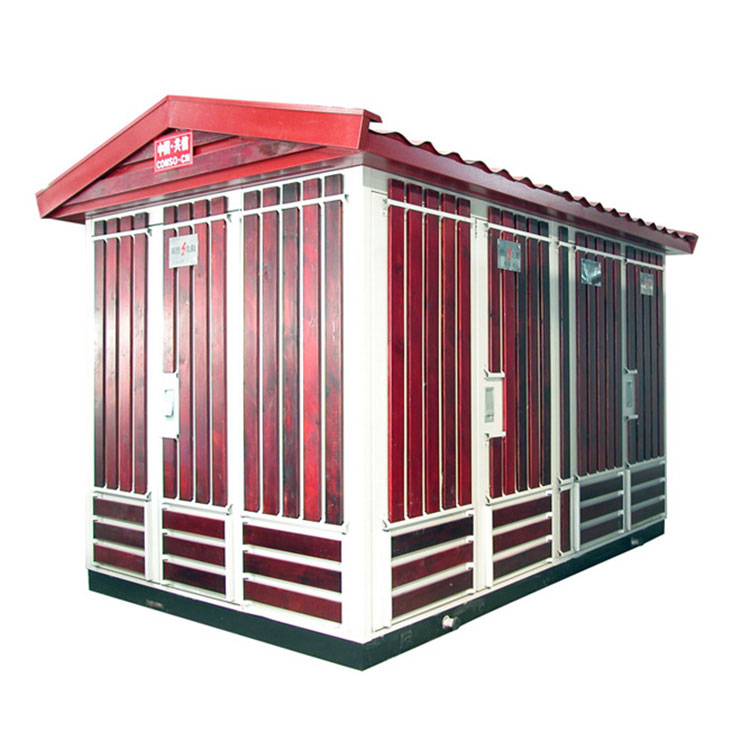
When I compare a conventional substation with a Compact Substation, the first difference I notice is the level of integration. A conventional substation often needs more civil construction, separate rooms, more on site wiring, and longer coordination between different suppliers. A compact design brings the main functional sections together in one enclosed structure, usually including medium voltage switchgear, a transformer, and low voltage distribution equipment.
This integrated structure helps reduce the amount of work needed at the project site. For buyers, that matters because project delays are rarely caused by one single big problem. They usually come from many small coordination issues, such as foundation readiness, cable routing, equipment matching, delivery timing, and site acceptance. A compact solution reduces several of these risks because more work is completed before delivery.
- I can reduce the required installation area compared with a traditional substation room.
- I can simplify procurement because the main electrical sections are coordinated as one system.
- I can shorten commissioning time when factory testing is properly completed before shipment.
- I can improve site organization because the equipment arrives in a more complete structure.
- I can make maintenance planning clearer by separating functional compartments inside the enclosure.
Why Do Project Owners Prefer Compact Substation Solutions for Limited Space?
Space is expensive in cities, industrial parks, commercial centers, and renewable energy projects. Every square meter used for electrical equipment is a square meter that cannot be used for production, rental, storage, parking, or public service. That is why I often recommend reviewing a Compact Substation when the site layout is tight.
The advantage is not only smaller size. A good compact design also allows the substation to be placed closer to the load center. This can help reduce low voltage cable length, improve voltage quality, and make the whole distribution system more efficient. For projects such as factories, shopping areas, charging stations, residential blocks, and photovoltaic plants, this practical benefit can be more valuable than it looks on paper.
| Project Concern | Common Buyer Pain Point | How a Compact Design Helps |
|---|---|---|
| Limited land area | The project cannot reserve a large electrical room or outdoor substation area. | The integrated enclosure reduces layout pressure and supports flexible placement. |
| Long installation period | Multiple suppliers and site works delay the energizing schedule. | Factory assembly and testing can reduce the amount of on site work. |
| System matching risk | Transformer, switchgear, and low voltage panels may not match smoothly. | The main components can be designed as a coordinated power distribution unit. |
| Maintenance access | Operators need clear access to equipment without disturbing other sections. | Separate compartments can support safer inspection and routine service. |
| Outdoor environment | Dust, rain, heat, cold, and humidity may affect electrical equipment. | The enclosure can be designed with suitable protection, ventilation, and structure. |
How Do I Judge Whether a Compact Substation Is Reliable?
I never judge a Compact Substation only by its appearance. A clean enclosure is good, but the real value comes from internal design, component selection, manufacturing discipline, and factory testing. For a buyer, reliability begins before the product arrives on site.
The first thing I check is whether the manufacturer understands the actual power demand. A substation for a residential community is not the same as one for a steel workshop, a food processing plant, a wind power project, or a mining site. Load type, duty cycle, ambient temperature, altitude, fault level, cable direction, and operation habits all affect the final design.
- I check the rated voltage and transformer capacity according to the project load.
- I review the medium voltage side, including switchgear type and protection requirements.
- I confirm the transformer type, such as oil immersed or dry type, based on site conditions.
- I look at the low voltage outgoing circuits and whether they match the final distribution plan.
- I ask about enclosure material, anti corrosion treatment, ventilation, and ingress protection.
- I confirm factory routine tests because they help reduce problems after delivery.
For overseas buyers, I also care about communication quality. A manufacturer should be able to discuss drawings, standards, technical parameters, delivery details, and after sales support in a clear way. In real projects, smooth communication can save as much trouble as good hardware.
Which Applications Benefit Most from a Compact Substation?
In my experience, a Compact Substation is especially useful when the project needs fast deployment, controlled cost, and a stable distribution system in a limited area. It is not limited to one industry. The same basic concept can be adapted to many working environments as long as the design is properly customized.
| Application | Typical Requirement | Why I Consider a Compact Substation |
|---|---|---|
| Industrial plants | Stable power supply for production lines, motors, pumps, and control systems. | It can be installed close to the load center and reduce distribution complexity. |
| Commercial buildings | Reliable power for lighting, HVAC, elevators, and service equipment. | It saves space and supports a cleaner electrical layout. |
| Residential communities | Safe distribution for apartments, public lighting, and daily electricity use. | It offers an enclosed and organized solution for community power supply. |
| Solar and wind power projects | Step up or distribution support for renewable energy generation. | It can integrate protection and transformer functions for outdoor operation. |
| Temporary or expansion projects | Fast installation with less civil construction. | It can shorten preparation time and simplify future relocation or expansion planning. |
How Does a Compact Substation Help Control Project Cost?
Many buyers first ask about the unit price, but I prefer to look at the total project cost. The purchasing price is only one part. Civil work, installation labor, cable length, transportation, commissioning, maintenance, and downtime risk can all affect the final budget.
A well designed Compact Substation may help control cost in several practical ways. It can reduce the need for a large electrical room, lower on site assembly work, and make procurement simpler. When the transformer, medium voltage switchgear, and low voltage equipment are planned together, the buyer also reduces the risk of buying mismatched equipment from different suppliers.
- Less site construction can reduce early project spending.
- Shorter installation time can help the project start operation earlier.
- Integrated design can reduce coordination costs between different equipment suppliers.
- Factory testing can lower the risk of expensive troubleshooting after installation.
- Proper component selection can reduce maintenance pressure during long term operation.
Of course, choosing the cheapest option without checking the design is risky. Electrical distribution equipment must serve the project for years. I would rather choose a manufacturer that can explain the design clearly than a supplier that only offers a low number on a quotation sheet.
What Technical Details Should I Confirm Before Ordering?
Before I place an order for a Compact Substation, I usually prepare a basic technical checklist. This prevents misunderstanding and helps the manufacturer design the equipment around the real project conditions. Clear information at the beginning also makes the quotation more accurate.
| Information to Confirm | Why It Matters |
|---|---|
| Primary voltage and secondary voltage | These values determine the transformer and switchgear design. |
| Transformer capacity | The capacity must match current load demand and possible future expansion. |
| Frequency | Different markets may use different power frequencies, such as 50 Hz or 60 Hz. |
| Installation environment | Outdoor temperature, humidity, altitude, dust, and corrosion affect material selection. |
| Incoming and outgoing cable direction | Cable entry design must match the site foundation and cable trench layout. |
| Protection and metering requirements | Relays, meters, breakers, and monitoring devices should match local operation needs. |
| Applicable standards | Project requirements may involve IEC based design or local grid specifications. |
I also suggest asking for layout drawings, single line diagrams, and main component descriptions before confirming the order. These documents help the engineering team review whether the equipment will fit the project technically and physically.
Is Customization Important for a Compact Substation?
Yes, customization is important because power distribution is rarely one size fits all. Even when two projects use the same transformer capacity, their site conditions may be very different. One project may require strong weather resistance, while another may need better ventilation, special metering, fire safety consideration, or a specific enclosure arrangement.
This is where an experienced manufacturer becomes useful. For example, Conso Electrical Science and Technology Co., Ltd. has experience with compact substation related products in different capacity ranges and voltage levels. Instead of treating the substation as a simple assembly, the design should consider how the transformer, switchgear, enclosure, and low voltage distribution section work together as one system.
- I may choose a dry type transformer for indoor sensitive environments or special clean areas.
- I may choose an oil immersed transformer for outdoor distribution where efficiency and capacity are priorities.
- I may request SF6 ring main unit options when compact medium voltage switching is needed.
- I may ask for additional protection relays for renewable energy or industrial applications.
- I may adjust enclosure size, cable entry position, ventilation design, or color according to site requirements.
A customized Compact Substation should not feel complicated for the buyer. The supplier should guide the process, ask the right questions, and translate project requirements into a clear technical proposal.
How Can a Compact Substation Improve Safety and Maintenance?
Safety is one of the main reasons I prefer a properly engineered compact design. Electrical equipment must be easy to operate, inspect, and isolate when necessary. A substation with clear compartments can help operators work more confidently because the medium voltage section, transformer section, and low voltage section are separated in a logical way.
Maintenance also becomes easier when the design allows practical access. Operators should not need to struggle with cramped internal space, unclear labels, or poor cable arrangement. A good Compact Substation should support daily operation, not just pass the delivery inspection.
- Clear compartment separation helps reduce accidental contact risks.
- Proper ventilation helps manage transformer temperature during operation.
- Reliable enclosure protection helps resist outdoor environmental impact.
- Good cable arrangement makes inspection and troubleshooting easier.
- Factory testing helps identify problems before the unit reaches the site.
I also recommend training the local operation team after installation. Even the best equipment needs correct operation. Clear manuals, labels, and maintenance schedules can extend service life and reduce unnecessary faults.
Why Should Buyers Work with an Experienced Manufacturer?
Buying a substation is different from buying a standard spare part. The buyer is not only purchasing equipment. The buyer is also purchasing design support, production control, quality inspection, and long term cooperation. That is why I pay attention to whether the supplier has real manufacturing experience and whether it can support custom project requirements.
Conso Electrical Science and Technology Co., Ltd. is involved in electrical products such as transformers, substations, switchgear, and circuit breakers. This wider product background can be useful because a compact substation depends on the coordination of several electrical sections. When the manufacturer understands these sections together, the final system is more likely to be practical for real project use.
For me, a reliable supplier should be able to answer questions about technical parameters, installation conditions, material choices, factory tests, delivery schedule, and project documentation. If a supplier cannot explain the details clearly before the order, it may be harder to solve problems after the order.
What Should I Look for in a Compact Substation Quotation?
A quotation should not only show the price. It should help me understand what I am buying. When I review a Compact Substation quotation, I look for the technical scope, main components, enclosure description, testing items, delivery terms, and optional configurations.
| Quotation Item | What I Want to See |
|---|---|
| Technical parameters | Voltage level, transformer capacity, rated current, frequency, and protection level. |
| Main component list | Transformer type, medium voltage switchgear, low voltage cabinet, meters, and breakers. |
| Enclosure design | Material, structure, protection grade, ventilation, anti corrosion treatment, and dimensions. |
| Testing and inspection | Routine factory tests and inspection process before delivery. |
| Customization options | Special layout, cable entry, relay protection, monitoring, color, and accessories. |
| Documents | Drawings, single line diagram, user manual, test report, and packing details. |
This kind of clear quotation helps both sides avoid disputes. It also gives the buyer a better basis for comparing suppliers fairly. A lower price may not be better if the scope is incomplete or the technical design is unclear.
How Do I Know If a Compact Substation Fits My Project?
I usually start with one simple question: what problem does the substation need to solve? If the answer includes limited space, faster installation, outdoor distribution, integrated equipment, or easier procurement, then a Compact Substation is worth serious consideration.
However, the final decision should still be based on project data. I would collect the load list, site drawing, voltage requirement, environmental conditions, local grid requirements, and future expansion plan. With this information, the manufacturer can propose a more suitable configuration instead of giving a general product recommendation.
- If the site has limited area, I check compact layout options first.
- If the project schedule is tight, I ask about factory assembly and delivery time.
- If the environment is harsh, I focus on enclosure protection and transformer cooling.
- If the project has renewable energy input, I check protection and grid connection needs.
- If future expansion is possible, I reserve capacity and outgoing circuit flexibility.
In other words, the best solution is not always the biggest one or the most expensive one. The best solution is the one that fits the project safely, efficiently, and economically.
Why Do I Consider Compact Substation a Practical Choice for Modern Distribution?
I consider the Compact Substation a practical choice because it responds to real project pressure. Land is limited. Construction schedules are tight. Buyers want reliable power but also need reasonable cost control. Engineers want equipment that is easier to coordinate, install, and maintain. A compact substation brings these needs into one integrated solution.
When it is designed correctly, it can support safe power distribution for industrial, commercial, residential, and renewable energy projects. It can reduce installation complexity, save space, improve procurement efficiency, and provide a cleaner structure for operation teams. For buyers who want a balance between performance, cost, and installation convenience, it is a product category worth evaluating carefully.
If you are planning a power distribution project and want to compare voltage levels, transformer capacity, layout options, or customized configurations, I suggest starting with a clear technical discussion. Leave your project requirements, drawings, or basic electrical parameters, and contact us to request a tailored Compact Substation quotation from Conso Electrical Science and Technology Co., Ltd. The earlier the technical details are confirmed, the easier it becomes to build a reliable and cost controlled power distribution solution.