Article Summary
Electrical systems require reliable isolation methods to protect personnel, equipment, and facilities during maintenance, emergencies, and daily operations. A Disconnect Switch is one of the most important safety devices used in industrial plants, commercial buildings, renewable energy projects, and utility applications.
This guide explains how a Disconnect Switch works, its major types, selection criteria, installation considerations, common mistakes to avoid, and why choosing a high-quality manufacturer matters. Whether you are an engineer, purchasing manager, contractor, or facility operator, this article will help you make informed decisions while minimizing operational risks and maintenance costs.
Article Outline
-
Introduction to Disconnect Switches
-
Core Functions and Safety Benefits
-
Industry Applications
-
Main Product Types
-
Selection Factors
-
Maintenance Guidelines
-
Frequently Asked Questions
-
Final Recommendations
What Is a Disconnect Switch?
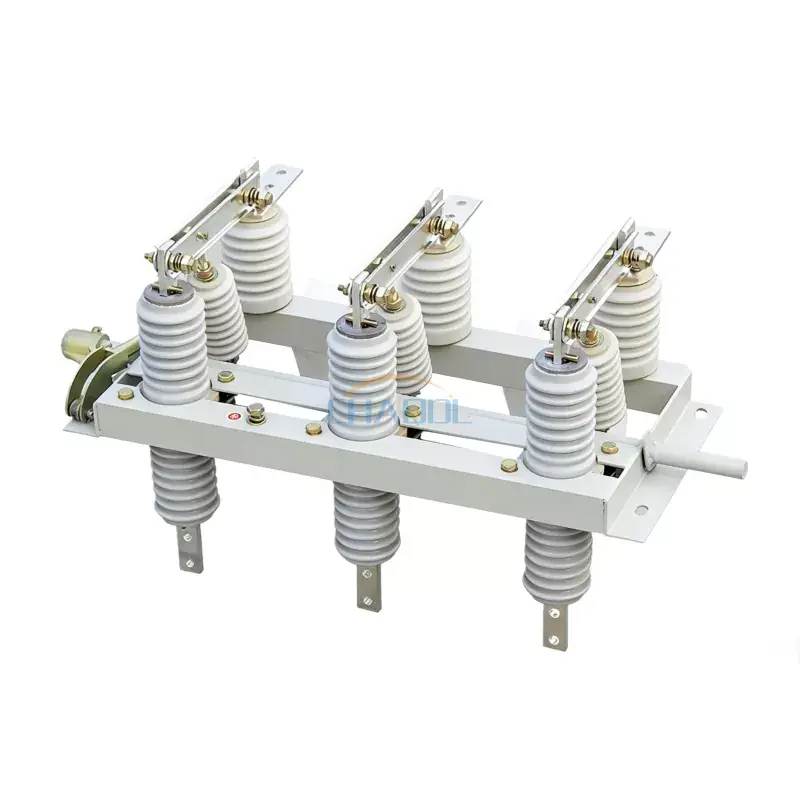
A Disconnect Switch is an electrical isolation device designed to safely separate equipment from a power source. It creates a visible break in the electrical circuit, ensuring that no electrical current reaches the equipment during inspection, maintenance, repairs, or emergency shutdown procedures.
Unlike circuit breakers, a Disconnect Switch is primarily used for isolation purposes rather than fault interruption. It allows maintenance personnel to work safely while reducing the possibility of accidental energization.
Modern Disconnect Switches are widely used in:
-
Power distribution systems
-
Industrial manufacturing facilities
-
Data centers
-
Photovoltaic solar systems
-
Wind energy projects
-
Commercial buildings
-
Transportation infrastructure
-
Substations
Why Is a Disconnect Switch Important?
Many companies focus heavily on production efficiency while underestimating electrical isolation safety. However, inadequate isolation procedures can lead to severe consequences.
Key benefits include:
-
Protects maintenance personnel from electric shock.
-
Prevents accidental equipment startup.
-
Reduces operational downtime.
-
Minimizes equipment damage risks.
-
Improves overall workplace safety.
-
Helps organizations meet regulatory requirements.
-
Enhances emergency response capabilities.
For large industrial operations, even a single electrical accident can result in significant financial losses, production interruptions, and reputational damage.
Where Are Disconnect Switches Used?
|
Industry
|
Application
|
Primary Purpose
|
|
Manufacturing
|
Production machinery
|
Maintenance isolation
|
|
Solar Energy
|
PV systems
|
DC circuit isolation
|
|
Utilities
|
Substations
|
Grid protection
|
|
Commercial Buildings
|
HVAC systems
|
Emergency shutdown
|
|
Data Centers
|
Power distribution units
|
Continuous reliability
|
|
Transportation
|
Rail systems
|
Operational safety
|
As electrical systems become increasingly complex, reliable isolation devices have become essential infrastructure components.
Different Types of Disconnect Switches
There are several Disconnect Switch configurations available depending on the application requirements.
|
Type
|
Characteristics
|
Suitable Environment
|
|
Fused Disconnect Switch
|
Includes integrated overcurrent protection
|
Industrial facilities
|
|
Non-Fused Disconnect Switch
|
Isolation only
|
Basic applications
|
|
Indoor Disconnect Switch
|
Compact design
|
Electrical rooms
|
|
Outdoor Disconnect Switch
|
Weather resistant
|
Substations
|
|
DC Disconnect Switch
|
Designed for direct current systems
|
Solar installations
|
|
Motor Disconnect Switch
|
Dedicated motor isolation
|
Manufacturing equipment
|
How to Choose the Right Disconnect Switch
Selecting the wrong device can compromise both safety and operational performance.
Evaluate these factors before purchasing:
1. Voltage Rating
Ensure the switch matches your system voltage requirements.
2. Current Rating
The rated current must exceed the maximum operating current.
3. Environmental Conditions
Consider temperature, humidity, dust exposure, and corrosive environments.
4. Installation Location
Determine whether the switch will be installed indoors or outdoors.
5. Safety Certifications
Verify compliance with international standards and industry regulations.
6. Mechanical Durability
High-frequency operations require robust mechanical performance.
7. Future Expansion
Plan for future capacity upgrades to avoid costly replacements.
Common Purchasing Mistakes
Buyers often encounter several avoidable issues during procurement.
-
Choosing products based solely on price.
-
Ignoring environmental protection ratings.
-
Underestimating future load growth.
-
Selecting improper voltage specifications.
-
Purchasing from inexperienced suppliers.
-
Neglecting maintenance accessibility.
-
Failing to verify certifications.
Avoiding these mistakes can significantly improve long-term return on investment.
Maintenance Best Practices
Regular inspections ensure optimal performance and extend equipment lifespan.
Recommended maintenance checklist:
-
Inspect contacts for wear.
-
Check terminal tightness.
-
Look for signs of overheating.
-
Inspect insulation components.
-
Verify enclosure integrity.
-
Remove accumulated dust.
-
Perform operational testing.
-
Document inspection results.
Preventive maintenance helps reduce unexpected downtime and expensive repairs.
Why Choose Anqiang?
Selecting an experienced manufacturer is just as important as choosing the right product.
Anqiang provides reliable Disconnect Switch solutions designed for various industrial and commercial applications. The company focuses on delivering products that prioritize safety, durability, and stable electrical performance.
Advantages of working with Anqiang include:
-
Comprehensive product portfolio.
-
Stable product quality.
-
Professional engineering support.
-
Strict manufacturing control.
-
International market experience.
-
Customized solutions.
-
Responsive customer service.
Businesses worldwide increasingly demand dependable isolation solutions to ensure uninterrupted operations, and Anqiang continuously supports customers with practical and efficient electrical distribution products.
Frequently Asked Questions
Q1: Is a Disconnect Switch the same as a circuit breaker?
No. A Disconnect Switch is mainly used for isolation, while a circuit breaker is designed to interrupt fault currents.
Q2: Can a Disconnect Switch be used outdoors?
Yes. Outdoor models are specifically designed with weather-resistant enclosures.
Q3: Why is visible isolation important?
Visible isolation provides confirmation that electrical energy has been disconnected before maintenance begins.
Q4: How often should inspections be performed?
Routine inspections are typically recommended every 6 to 12 months, depending on operating conditions.
Q5: Can solar systems use standard Disconnect Switches?
No. Solar installations require dedicated DC Disconnect Switches designed for direct current applications.
Q6: What is the expected lifespan?
With proper maintenance and suitable operating conditions, high-quality Disconnect Switches can operate reliably for many years.
Conclusion
A Disconnect Switch is a critical component for ensuring electrical safety, protecting personnel, and maintaining operational continuity. Investing in high-quality equipment reduces risks, improves maintenance efficiency, and supports long-term business stability.
Whether you manage industrial facilities, renewable energy projects, or commercial infrastructures, selecting the right Disconnect Switch is an investment in both safety and productivity.
Contact Anqiang today to discuss your project requirements. Our professional team can help you find the most suitable electrical isolation solution for your application. Contact us now to receive technical support, customized recommendations, and competitive quotations for your next project.