

How Can a Load Break Switch LBS Make Medium Voltage Distribution Safer and Easier to Manage?
2026-05-21
When I look at medium voltage distribution projects, I rarely see buyers struggle because they do not know the product name. The real problem is usually much more practical. They need a switching device that can handle daily load operations, fit into an existing distribution scheme, reduce maintenance pressure, and still keep the budget under control. That is why I pay close attention to manufacturers such as Wenzhou Xifa Electrical Equipment Co., Ltd., especially when evaluating a reliable Load Break Switch LBS for indoor panels, outdoor pole-mounted systems, ring main units, transformer protection, and utility distribution networks.
A load break switch may look like a simple switching product from the outside, but in real projects it affects safety, downtime, installation cost, maintenance planning, and even the service life of connected equipment. If the switch is poorly selected, operators may face unstable closing, weak insulation performance, contact overheating, difficult maintenance, or unnecessary system shutdowns. I believe a good purchasing decision should not start with the lowest price. It should start with understanding where the switch will work, how often it will operate, what protection system it will cooperate with, and how the supplier controls production quality.
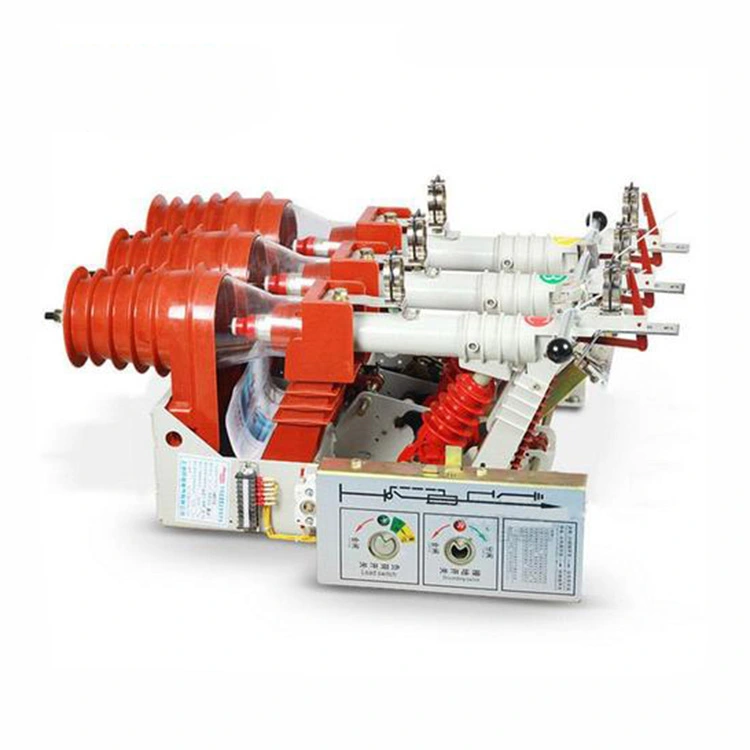
What Problems Does a Load Break Switch LBS Help Me Solve in Power Distribution?
In a medium voltage system, I use a Load Break Switch LBS mainly to open and close circuits under normal load conditions. It is widely used in distribution lines, transformer substations, industrial power rooms, overhead networks, and compact switchgear. Unlike a simple isolating switch, it is designed to interrupt load current safely. Unlike a circuit breaker, it is usually not intended to clear heavy short-circuit faults alone unless it is combined with fuses or other protection devices.
For many projects, this balance is exactly what makes the product useful. I do not always need the cost and complexity of a circuit breaker for every switching point. In many feeder, transformer, or branch-line applications, I need dependable load switching, visible separation logic, compact installation, and reasonable protection coordination. A suitable load break switch can meet these needs without making the system unnecessarily expensive.
- I can switch normal operating current without forcing a full system shutdown.
- I can isolate a section of the distribution network for maintenance.
- I can combine the switch with fuses to improve transformer protection.
- I can reduce equipment investment in applications where a circuit breaker is not required.
- I can improve operation convenience in indoor cabinets, outdoor poles, and compact distribution units.
Why Do I Not Treat a Load Break Switch LBS as the Same Thing as a Circuit Breaker?
One common purchasing mistake I see is treating every switching device as if it performs the same job. A circuit breaker is built to interrupt fault current automatically when protection relays or internal mechanisms detect abnormal conditions. A Load Break Switch LBS is different. It is mainly used for load current switching and isolation. When short-circuit or overload protection is required, it is commonly used together with a fuse system or coordinated protection equipment.
This distinction matters because it affects both safety and cost. If I install a switch where a breaker is required, I create a risk. If I install an expensive breaker where a load break switch with fuse protection is enough, I waste budget. The right choice depends on the system design, transformer capacity, rated voltage, rated current, operating environment, and protection requirements.
| Item | Load Break Switch LBS | Circuit Breaker |
|---|---|---|
| Main role | Switches normal load current and provides isolation | Interrupts normal current and fault current |
| Typical protection | Works with fuses or protection devices when fault protection is needed | Works with relay or built-in trip mechanism |
| Cost level | Usually more economical for suitable applications | Usually higher because of fault interruption capability |
| Common use | Transformer protection, RMU, distribution feeder switching, pole-mounted systems | Main feeders, critical protection points, high fault-clearing requirements |
| Selection focus | Rated voltage, rated current, insulation type, mechanism reliability, fuse coordination | Breaking capacity, relay protection, trip accuracy, fault level coordination |
Which Product Features Should I Check Before Choosing a Load Break Switch LBS?
When I compare suppliers, I do not only ask for voltage and current ratings. Those numbers are important, but they are not enough. A dependable Load Break Switch LBS should also show strength in insulation design, contact performance, arc control, mechanical endurance, sealing performance for outdoor products, and final testing. These details decide whether the product will remain stable after repeated operation.
For indoor applications, I usually focus on compact structure, smooth operating mechanism, insulation strength, and contact reliability. Epoxy resin insulation is often used because it helps improve dielectric performance and mechanical strength. Contact surface treatment is also important because poor contact design may lead to heat, oxidation, and unstable operation over time.
For outdoor pole-mounted applications, I pay more attention to weather resistance, corrosion protection, sealing design, and operating convenience. A switch installed outdoors has to face moisture, dust, temperature changes, wind, and long service intervals. A hot-dip galvanized mounting frame, stable insulation distance, reliable bearings, and proper sealing technology can make a noticeable difference in long-term use.
- Rated voltage and rated current should match the actual system, not just the catalogue preference.
- Insulation material should support stable dielectric strength and aging resistance.
- Contact design should reduce arc erosion, oxidation, and overheating risks.
- Operating mechanism should close and open smoothly without unstable movement.
- Outdoor models should have strong corrosion resistance and sealing performance.
- Factory testing should cover mechanical operation, contact pressure, insulation, and product consistency.
How Can Different Insulation Types Affect My Buying Decision?
I usually see three major directions in load break switch selection, including SF6 gas insulated designs, vacuum interrupter types, and air insulated structures. Each one has its own suitable working conditions. I do not believe there is one perfect choice for every project. The better question is which design supports the local installation environment, maintenance habit, project budget, and safety requirement.
An SF6 gas insulated Load Break Switch LBS is often selected for compact structure and strong insulation performance. It is commonly used in medium voltage distribution systems where space and stable switching matter. However, sealing quality becomes very important because gas leakage affects long-term reliability. For this type, I pay attention to welding quality, leakage detection, pressure monitoring, and modular consistency.
A vacuum type load break switch can be attractive when I want clean arc interruption performance and reduced gas-related concerns. It is often used with fuse protection in medium voltage applications. Air insulated models, on the other hand, can be practical for overhead line applications where structure simplicity and outdoor operation are important.
| Type | Where I Usually Consider It | What I Check Carefully |
|---|---|---|
| SF6 gas insulated type | Compact medium voltage distribution, RMU, indoor or outdoor enclosed systems | Sealing structure, leakage control, pressure monitoring, insulation stability |
| Vacuum interrupter type | Transformer protection, fuse load break switch applications, indoor switchgear | Vacuum interrupter quality, fuse coordination, mechanical endurance |
| Air insulated type | Overhead distribution lines and pole-mounted switching points | Creepage distance, outdoor insulation, corrosion protection, manual or motor operation |
Why Does Manufacturing Quality Matter More Than a Low Quotation?
I understand why buyers compare prices carefully. In power distribution projects, every cabinet, switch, transformer, and accessory affects the total budget. But when it comes to a Load Break Switch LBS, I would rather question a price that looks too low than celebrate it too quickly. A switching device is not just a metal frame with contacts. It has to operate safely under electrical stress, mechanical movement, and environmental pressure.
Good manufacturing control shows up in small details. Contact pressure must be tested because weak contact can cause overheating. Machining accuracy affects whether the mechanism operates smoothly. Lubrication and assembly quality affect mechanical life. Insulation parts must be consistent because hidden defects may not appear until the system is energized. For sealed outdoor or SF6 products, welding and leakage testing are not optional details. They are part of the reliability story.
When I evaluate Wenzhou Xifa Electrical Equipment Co., Ltd. for this product category, I look at its wider electrical equipment range as well. The company is not only presenting load break switch products, but also related medium voltage and low voltage electrical products such as circuit breakers, disconnect switches, isolator switches, instrument transformers, surge arresters, and cut out fuses. This matters because a supplier familiar with connected distribution equipment can usually communicate more clearly about project matching and protection coordination.
How Do I Match a Load Break Switch LBS to Real Project Scenarios?
Before I recommend a Load Break Switch LBS, I usually ask myself where the switch will be installed and what pain point the buyer is trying to solve. A factory power room may care about compact installation and smooth maintenance. A rural distribution line may care about outdoor durability and easy operation. A transformer substation may care about fuse coordination and quick isolation. A utility project may care about stable batch quality and long-term spare part support.
| Project Scenario | Buyer Concern | Recommended Focus |
|---|---|---|
| Indoor switchgear cabinet | Limited space, stable switching, easy maintenance | Compact design, epoxy insulation, smooth mechanism, reliable contacts |
| Transformer protection | Overload and short-circuit coordination | Fuse combination, rated current matching, safe isolation |
| Outdoor overhead line | Weather exposure, corrosion, operating convenience | Hot-dip galvanized frame, outdoor insulation, manual or motor operation |
| Ring main unit | Compact structure and distribution reliability | SF6 or vacuum design, sealing quality, modular consistency |
| Industrial distribution system | Downtime control and maintenance safety | Clear switching function, stable mechanism, tested insulation performance |
What Questions Should I Ask a Supplier Before Placing an Order?
A professional supplier should be able to answer technical questions clearly. I do not expect every buyer to be an electrical engineer, but I do expect the supplier to guide the selection responsibly. If a supplier only repeats catalogue numbers and avoids application details, I would be careful.
- What rated voltage and rated current are suitable for my distribution system?
- Should I choose SF6, vacuum, or air insulated design for this installation environment?
- Can this switch be combined with fuses for transformer protection?
- What tests are performed before shipment?
- How is contact pressure controlled during production?
- What insulation material is used, and how does it perform under aging conditions?
- For outdoor models, how is corrosion resistance improved?
- Can the product support manual operation, motor operation, or both?
- What documents, drawings, and technical parameters can be provided before confirmation?
Why Do Buyers Care About Smooth Operation and Mechanical Stability?
A load break switch does not only need to work once. It must operate repeatedly and predictably. In the field, rough closing, unstable spring action, poor bearing quality, or inconsistent assembly may create safety risks and maintenance complaints. That is why I treat the operating mechanism as a core part of product quality.
For an indoor electrical motorized load break switch, smooth operation can help reduce manual intervention and improve system management. For pole-mounted products, flexible operation is equally important because maintenance crews often work in more difficult outdoor conditions. If the mechanism feels unreliable during operation, the buyer may lose confidence in the whole system, even when the electrical rating looks acceptable on paper.
This is also where factory process control becomes valuable. Checking component machining accuracy before assembly, applying proper lubrication, testing contact pressure, and verifying mechanical operation can help reduce avoidable failures. I see these steps as practical quality assurance, not decorative selling points.
How Can a Load Break Switch LBS Support Safer Maintenance Work?
Maintenance teams need more than equipment. They need predictable isolation points. A properly selected Load Break Switch LBS helps operators separate a section of the circuit, manage load-side switching, and create a safer maintenance condition when used according to the system design and operating procedure.
In many indoor products, an integrated earthing switch can add practical value because it supports maintenance safety and helps simplify the distribution solution. For transformer branches and feeder sections, this can reduce unnecessary complexity. Of course, the final design should always follow local standards, project drawings, and safety procedures. A load break switch is useful, but it must be applied correctly.
Which Advantages Make Xifa Worth Considering for Load Break Switch Projects?
When I evaluate a supplier, I look for a combination of product range, manufacturing details, customization communication, and practical application knowledge. Wenzhou Xifa Electrical Equipment Co., Ltd. offers several load break switch options, including indoor motorized types, overhead air load break switches, enclosed pole-mounted types, vacuum fuse load break switches, medium voltage 630A models, and SF6 gas insulated models. This gives buyers more room to match different working environments instead of forcing one structure into every project.
- Multiple product structures can support indoor, outdoor, pole-mounted, and medium voltage applications.
- Epoxy resin insulation can help improve dielectric strength and aging resistance in suitable models.
- Contact treatment and contact pressure testing can support stable electrical performance.
- Outdoor designs can focus on corrosion resistance, creepage distance, and weather adaptability.
- SF6 models can use sealing and leakage-control processes to support long-term insulation stability.
- Vacuum fuse designs can help buyers build economical transformer protection solutions.
How Do I Know Whether a Load Break Switch LBS Is the Right Choice for My System?
I would consider a Load Break Switch LBS when the project needs safe load current switching, economical distribution control, transformer-side protection with fuses, or compact medium voltage switching. I would choose a circuit breaker instead when the system needs automatic fault interruption and high fault-clearing capacity at that specific point. The decision should not be based on product name alone. It should be based on system responsibility.
For buyers, the safest path is to share project details before ordering. Rated voltage, rated current, installation type, altitude, climate, operation frequency, protection requirement, cabinet design, and local standard requirements all affect product selection. A serious supplier should help clarify these points instead of pushing a random model.
Why Should I Send an Inquiry Before Finalizing the Specification?
A load break switch is not a product I like to choose blindly. Even when the catalogue model looks correct, I still prefer to confirm the installation environment, protection method, operating mechanism, insulation type, and supporting accessories. This avoids mismatched specifications and helps the buyer receive a product that works properly in the real distribution system.
If you are planning a medium voltage distribution project and need a dependable Load Break Switch LBS, I recommend sharing your system requirements with Wenzhou Xifa Electrical Equipment Co., Ltd. before making the final decision. Send your rated voltage, rated current, installation method, and application details, and the team can help you review a suitable option. For product selection, project discussion, or quotation support, please leave an inquiry or contact us today.