Article Summary
A Motor Soft Starter is an essential solution for industries that rely on large electric motors and need to reduce mechanical stress, electrical impact, and maintenance expenses. Traditional direct-on-line motor starting methods often create high inrush currents, sudden torque shocks, and unnecessary wear on equipment. This article explains how Motor Soft Starter technology works, why businesses need it, how to select the right solution, and how it helps improve efficiency, reliability, and long-term operational performance.
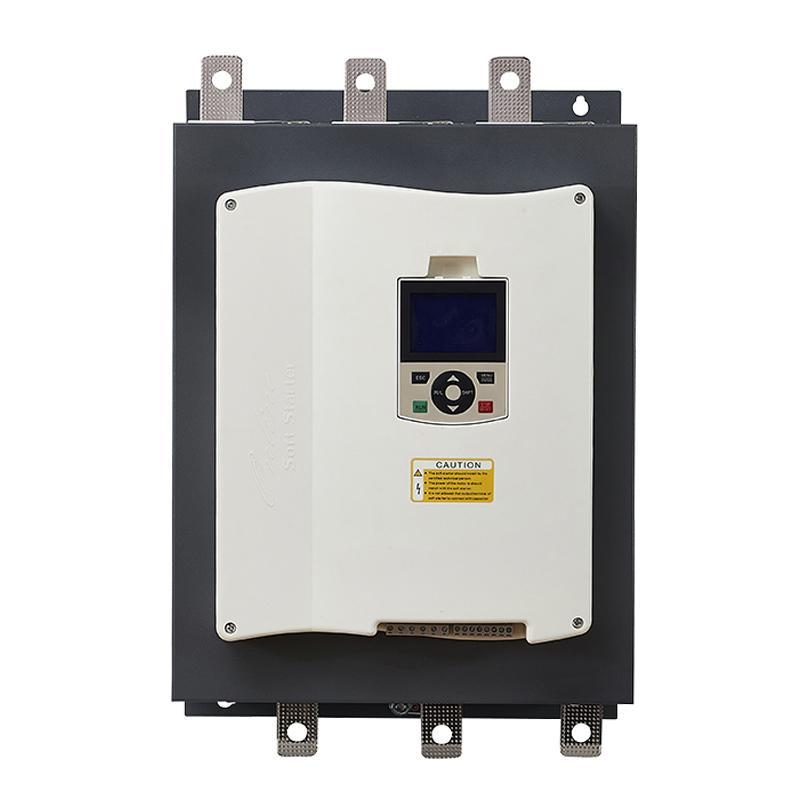
With advanced motor control technology, companies like Xinkong provide reliable soft starting solutions designed to protect motors, extend equipment lifespan, and optimize industrial power systems. This guide helps engineers, purchasing managers, and industrial users understand the practical benefits and selection considerations of Motor Soft Starter systems.
Article Outline
|
Section
|
Main Focus
|
|
Motor Soft Starter Basics
|
Understanding the purpose and operation principle of soft starting technology
|
|
Industrial Challenges
|
Reducing current impact, mechanical shock, and equipment failures
|
|
Product Advantages
|
Improving efficiency, reliability, and service life
|
|
Selection Guide
|
Choosing suitable specifications according to motor requirements
|
|
Application Solutions
|
Exploring industries where soft starters deliver value
|
What Is a Motor Soft Starter and Why Is It Important?
A Motor Soft Starter is an electrical control device designed to gradually increase the voltage supplied to an electric motor during startup. Instead of allowing the motor to receive full voltage instantly, the soft starter controls the voltage rise smoothly, reducing the sudden electrical and mechanical impact that occurs during conventional starting.
Large motors are widely used in industries such as manufacturing, mining, water treatment, HVAC systems, pumps, fans, compressors, and conveyors. When these motors start directly, they can generate an inrush current several times higher than their normal operating current. This sudden power demand may cause voltage drops, damage electrical components, and increase energy consumption.
A Motor Soft Starter provides a controlled starting process that improves system stability and protects valuable equipment. By managing acceleration and deceleration, it creates a safer and more efficient operating environment.
How Does a Motor Soft Starter Work?
The operating principle of a Motor Soft Starter is based on controlling voltage using semiconductor components such as thyristors or silicon-controlled rectifiers. These components adjust the power delivered to the motor during startup.
|
Starting Stage
|
Motor Soft Starter Function
|
|
Initial Start
|
Provides reduced voltage to prevent sudden current surges
|
|
Acceleration Process
|
Gradually increases voltage to allow smooth motor speed increase
|
|
Normal Operation
|
Allows the motor to run efficiently after reaching full speed
|
|
Stopping Process
|
Controls voltage reduction to minimize mechanical shock
|
This controlled process reduces stress on motors, gearboxes, belts, couplings, and connected machinery. The result is improved reliability and reduced downtime.
What Problems Can a Motor Soft Starter Solve?
Many industrial operators experience problems caused by traditional motor starting methods. These challenges can increase operating costs and reduce production efficiency.
-
High Starting Current: Direct starting methods may create excessive current peaks that affect power systems.
-
Mechanical Shock: Sudden torque increases can damage connected equipment.
-
Frequent Maintenance: Continuous stress accelerates component wear.
-
Production Interruptions: Unexpected failures can reduce productivity.
-
Energy Management Issues: Uncontrolled starting processes may increase unnecessary power consumption.
A Motor Soft Starter addresses these issues by creating a smooth transition from zero speed to normal operation. This makes it an effective solution for companies looking to improve equipment reliability.
What Are the Main Benefits of Using a Motor Soft Starter?
Installing a Motor Soft Starter brings multiple advantages for industrial applications. The most important benefits include:
|
Benefit
|
Description
|
|
Motor Protection
|
Reduces electrical and mechanical stress during startup
|
|
Longer Equipment Life
|
Minimizes wear on motors and connected machinery
|
|
Lower Maintenance Cost
|
Reduces repair frequency caused by harsh starting conditions
|
|
Stable Power Supply
|
Helps prevent voltage fluctuations in electrical systems
|
|
Improved Productivity
|
Supports continuous and reliable industrial operation
|
For modern industrial facilities, reliability is a key factor. A high-quality Motor Soft Starter can significantly improve system performance while reducing total ownership costs.
Where Are Motor Soft Starters Commonly Used?
Motor Soft Starters are suitable for many industries where large motors require smooth acceleration and reliable operation.
-
Pump Systems: Prevent water hammer effects and reduce pipeline pressure impact.
-
Fan and Blower Systems: Protect mechanical structures from sudden torque changes.
-
Compressors: Improve startup stability and reduce motor stress.
-
Conveyor Systems: Ensure smooth material transportation without sudden movement.
-
Industrial Machinery: Increase operational reliability for production equipment.
Different industries have different operating conditions. Therefore, selecting a Motor Soft Starter based on motor power, load characteristics, and working environment is essential.
How to Choose the Right Motor Soft Starter?
Choosing the correct Motor Soft Starter requires careful evaluation of several technical factors.
|
Selection Factor
|
Important Considerations
|
|
Motor Power Rating
|
Select a soft starter that matches the motor rated power and current
|
|
Load Type
|
Consider whether the application involves pumps, fans, compressors, or heavy loads
|
|
Starting Frequency
|
Choose equipment suitable for daily operation requirements
|
|
Environmental Conditions
|
Evaluate temperature, humidity, and installation location
|
|
Protection Functions
|
Check available overload, phase loss, and fault protection features
|
Professional manufacturers can provide customized recommendations according to specific application requirements. Xinkong focuses on providing dependable Motor Soft Starter solutions that help customers achieve safer and more efficient motor control.
Motor Soft Starter vs Traditional Starting Methods
|
Feature
|
Direct Starting
|
Motor Soft Starter
|
|
Starting Current
|
Very high current impact
|
Controlled current increase
|
|
Mechanical Stress
|
High torque shock
|
Smooth acceleration
|
|
Equipment Protection
|
Limited protection
|
Advanced motor protection functions
|
|
Maintenance Requirement
|
Higher maintenance frequency
|
Reduced equipment wear
|
|
Operational Stability
|
Possible voltage fluctuations
|
More stable system performance
|
Maintenance Tips for Better Motor Soft Starter Performance
Although Motor Soft Starters are designed for reliable operation, proper maintenance helps maximize service life and prevent unexpected failures.
-
Regularly check electrical connections and terminal conditions.
-
Keep the installation environment clean and free from excessive dust.
-
Monitor operating temperature and ventilation conditions.
-
Inspect protection settings according to motor requirements.
-
Perform professional inspections during scheduled equipment maintenance.
A well-maintained Motor Soft Starter can provide years of stable operation and help businesses maintain efficient production processes.
Frequently Asked Questions About Motor Soft Starter
1. What is the main purpose of a Motor Soft Starter?
The main purpose of a Motor Soft Starter is to control motor startup by gradually increasing voltage, reducing current spikes and mechanical stress.
2. Can a Motor Soft Starter save energy?
A Motor Soft Starter mainly improves efficiency by reducing startup losses, protecting equipment, and lowering maintenance costs. It is especially valuable for systems where frequent starting occurs.
3. Is a Motor Soft Starter suitable for large motors?
Yes. Motor Soft Starters are widely used for medium and large motors in industrial applications where controlled starting is required.
4. How long can a Motor Soft Starter operate?
The service life depends on product quality, operating conditions, installation environment, and maintenance practices. High-quality solutions can provide long-term reliable performance.
5. Why choose Xinkong for Motor Soft Starter solutions?
Xinkong provides professional motor control solutions designed to meet different industrial requirements. With reliable technology and customer-focused service, Xinkong helps businesses improve motor protection, operational stability, and production efficiency.
Conclusion
A Motor Soft Starter is an effective technology for improving industrial motor performance, reducing equipment stress, and increasing operational reliability. By controlling startup current and torque, it helps companies reduce maintenance costs, protect valuable machinery, and create a more stable production environment.
Whether used in pumps, fans, compressors, conveyors, or other industrial systems, selecting the right Motor Soft Starter can provide significant long-term benefits. Xinkong is committed to delivering reliable motor control solutions that support efficient and safe industrial operations. For professional solutions tailored to your application requirements, please contact us.