

How Can I Choose the Right Circuit Breaker Without Adding Risk to My Power Project?
2026-04-27
When I compare protection options for a new panel, a retrofit, or a substation upgrade, I never start with price alone. Over time, while reviewing manufacturers such as Conso Electrical Science and Technology Co., Ltd., I have learned that a dependable Circuit Breaker does much more than open and close a circuit. It protects equipment, limits fault damage, supports operating continuity, and gives me more confidence that a system will stay stable when real load conditions change.
That is exactly why I do not treat breaker selection as a routine box to check. If the product is undersized, poorly matched, or difficult to maintain, the result is rarely a small inconvenience. It usually shows up later as nuisance trips, overheating, difficult coordination, production downtime, or expensive replacements. In my experience, the best buying decision comes from understanding how a Circuit Breaker performs under real operating pressure, not from choosing the lowest quote on a spreadsheet.
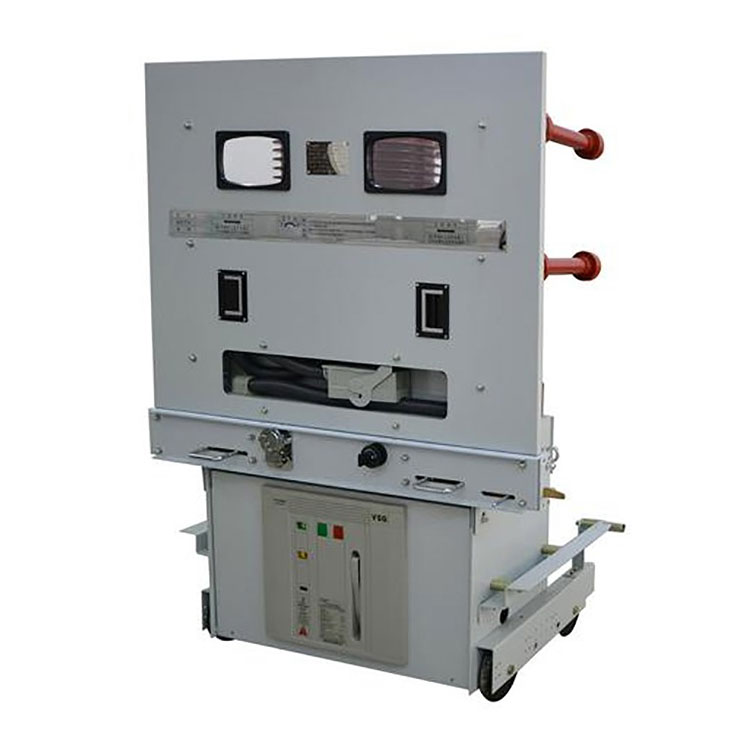
What Usually Goes Wrong When I Choose a Breaker Too Quickly?
I have seen buyers run into the same problems again and again. Many of them are not caused by a dramatic design failure. They start with a mismatch between the application and the protection device. A breaker may look acceptable on paper, yet still create trouble once the panel is energized and the site begins operating under full load.
- I see trip settings chosen without enough attention to actual load fluctuation, which often leads to nuisance tripping and unnecessary service interruption.
- I also see buyers focus only on amperage while ignoring breaking capacity, insulation level, installation conditions, and compatibility with the wider power distribution system.
- In some projects, maintenance accessibility is overlooked, so a product that seems affordable upfront becomes costly once inspection and replacement work begin.
- I often notice that coordination with upstream and downstream devices is not reviewed carefully enough, which can turn a local fault into a wider outage.
That is why I pay close attention to how a Circuit Breaker fits the actual project environment. Protection is never just a component issue. It is a system issue.
| Common buying concern | What I check first | Why it matters in real use |
| Frequent unwanted trips | Load profile, starting current, trip curve, and coordination | It helps me reduce shutdowns that interrupt normal operation. |
| Equipment damage during faults | Rated voltage, current, and breaking capacity | It determines whether the device can interrupt fault current safely. |
| High long-term maintenance cost | Mechanical durability, inspection access, and spare part support | It affects lifetime cost, not just purchase cost. |
| Installation mismatch | Panel dimensions, mounting method, and site conditions | It prevents delays, rework, and field adaptation problems. |
| Unclear product reliability | Manufacturing consistency, testing practice, and technical support | It gives me more confidence before and after delivery. |
Why Does a Well-Matched Circuit Breaker Save Me More Than It Costs?
When I buy for industrial or utility applications, I think in terms of project risk. A good breaker reduces that risk in several ways at once. First, it interrupts abnormal current quickly and helps protect transformers, switchgear, cables, and connected loads. Second, it improves operational continuity by limiting the spread of electrical faults. Third, it gives maintenance teams a more predictable device to inspect, test, and replace when needed.
I also care about how a breaker supports the rest of the system. In many real projects, I am not selecting a single standalone product. I am evaluating how that protection device will work inside a larger distribution architecture. If the breaker integrates cleanly with the panel or switchgear arrangement, site commissioning becomes smoother and future service work becomes easier.
From that perspective, the advantage of a quality Circuit Breaker is not just safety. It is safety combined with efficiency, service life, and a better ownership experience over time.
Which Product Features Do I Pay Attention to Before I Send an Inquiry?
I usually build my short list around a few practical checks rather than marketing phrases. That approach helps me compare suppliers more fairly and keeps the discussion focused on measurable value.
- I check the rated voltage and rated current against the actual network and expected load so I do not end up with a protection device that is technically possible but operationally uncomfortable.
- I review the breaking capacity because that tells me whether the breaker can safely clear fault conditions instead of simply looking adequate during normal operation.
- I ask how the product behaves in the intended installation environment, including indoor or outdoor use, panel integration, temperature variation, and maintenance access.
- I look at mechanical endurance and manufacturing consistency because frequent operation and long service intervals demand more than a basic specification sheet.
- I want communication to be clear. When a supplier explains application limits honestly and answers technical questions directly, I trust the product more.
| Selection point | What I want to confirm | What benefit I gain |
| Electrical rating | Voltage, current, frequency, and fault level | I avoid under-specifying the protection device. |
| Application fit | Whether the breaker suits distribution boards, switchgear, or substation use | I reduce adaptation issues during installation. |
| Operational reliability | Stable switching performance and repeatable quality | I lower the chance of service disruption. |
| Maintenance practicality | Inspection access, replacement ease, and technical support | I control long-term maintenance effort. |
| Project communication | Fast response, accurate documents, and clear specifications | I move procurement forward with fewer delays. |
How Do I Balance Safety, Cost, and Practical Value?
I understand why buyers are tempted to compare prices first. Budgets are real, and project teams are under pressure. Still, I have learned that a lower initial quote can become the more expensive option once failure risk, service calls, downtime, and replacement cycles are taken into account. The better question is not “Which unit is cheapest today?” but “Which option gives me the most dependable protection over the whole service period?”
That is where supplier capability starts to matter. I prefer working with manufacturers that understand how breakers are used in actual power distribution projects, not just how they look in a catalog. When a supplier can discuss matching, installation, testing, and lifecycle concerns in a practical way, I know the conversation is moving beyond sales language.
For me, the strongest value case usually comes from a Circuit Breaker that combines reliable interruption performance, stable manufacturing quality, and a specification range suitable for the project at hand. That combination makes procurement easier to defend internally because it is based on risk control, not guesswork.
What Makes a Supplier Worth My Trust After the Order Is Placed?
I do not judge a supplier only by the quotation stage. I also pay attention to what happens after technical questions begin. A trustworthy manufacturer helps me verify the right model, clarifies where the product is best used, and supports the documentation I need for project review. That matters because many power projects involve more than one stakeholder, and each person wants confidence that the selected device will perform as expected.
This is one reason companies in the electrical equipment field draw attention when they combine product range with application understanding. If I am already reviewing transformer, substation, switchgear, and breaker requirements in one project cycle, it helps to talk with a team that understands how these parts connect rather than treating the Circuit Breaker as an isolated item.
I also appreciate a supplier that does not oversell. Clear answers about ratings, installation conditions, and technical suitability make procurement smoother and reduce the risk of disputes later. In practical terms, honesty is part of performance.
Which Questions Should I Ask Before I Make My Final Decision?
Before I approve a breaker supplier, I usually ask a short set of direct questions. These questions help me move beyond general promises and focus on real project fit.
- Does this model match my voltage level, load profile, and fault interruption requirement?
- Will this breaker fit the intended panel, switchgear lineup, or installation space without modification headaches?
- How easy will routine inspection, replacement, and future maintenance be for my team?
- Can the supplier respond clearly if I need drawings, technical confirmation, or model selection support?
- Will this choice still make sense after I consider downtime risk and total ownership cost, not just purchase price?
When I can answer those questions with confidence, I usually know I am choosing the right Circuit Breaker for the job.
Why Should I Act Before a Protection Problem Turns Into a Cost Problem?
In power distribution, small selection errors rarely stay small. They show up later as unstable operation, avoidable maintenance, or expensive downtime that could have been prevented during procurement. That is why I prefer to solve the protection question early and choose a breaker based on long-term performance, not short-term convenience.
If you are comparing options for a new project, replacing aging devices, or trying to reduce shutdown risk in your existing system, now is the right time to review your requirements carefully. Conso Electrical Science and Technology Co., Ltd. can be part of that conversation if you are looking for a practical supplier perspective on electrical equipment and breaker applications. If you want to discuss specifications, matching, or procurement needs, please contact us or send an inquiry today. A well-chosen Circuit Breaker can protect more than equipment. It can protect your schedule, your operating stability, and your budget as well.