

How Can Low Voltage Switchgear Improve Safety and Efficiency in Modern Power Distribution?
2026-04-14
When I evaluate a power distribution system, I do not only look at whether it can deliver electricity from point A to point B. I look at whether it can protect people, reduce downtime, simplify maintenance, and stay flexible as the project grows. That is exactly why Low Voltage Switchgear matters in practical engineering decisions. While exploring solutions from Lugao Power Co.,Ltd, I was reminded that buyers are rarely searching for a cabinet alone. They are searching for a dependable way to manage risk, control loads, and keep their operations moving without unnecessary interruption.
In real projects, the pressure is always the same. Facility managers want stable performance. Contractors want easier installation. Procurement teams want long-term value instead of short-term savings that turn into service problems later. Engineers want equipment that is clear to configure, straightforward to inspect, and reliable under real working conditions. A well-designed Low Voltage Switchgear solution helps answer all of those needs at once, which is why it continues to be a core part of industrial plants, commercial buildings, utilities, infrastructure sites, and energy management systems.
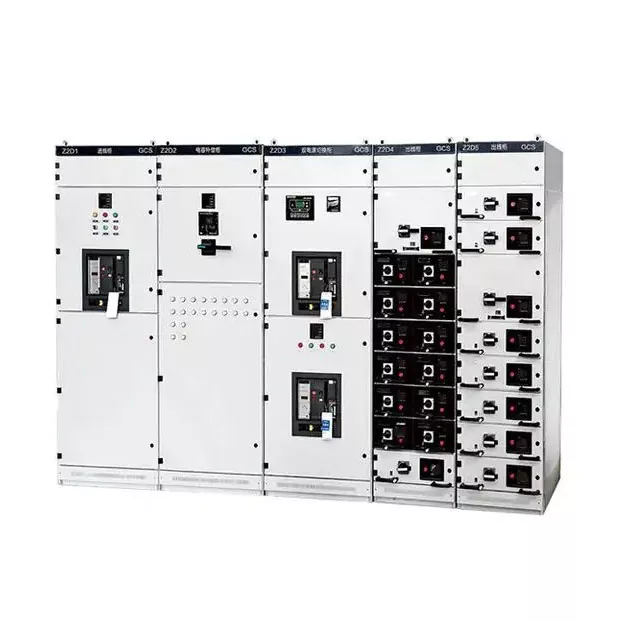
Why Do Buyers Pay So Much Attention to Low Voltage Switchgear?
I have noticed that serious buyers tend to focus on switchgear earlier than many people expect. They understand that distribution equipment is not a decorative component hidden inside an electrical room. It is one of the main control points of the whole system. If the equipment is poorly designed, hard to maintain, or mismatched to the application, the consequences can spread quickly across production, maintenance cost, and safety management.
That is why purchasing decisions are often shaped by several practical questions:
- Will the system protect circuits and equipment under fault conditions?
- Will the layout remain manageable when additional loads are added later?
- Will operators be able to inspect and service it efficiently?
- Will downtime during maintenance affect the whole facility?
- Will the investment still make sense after years of operation?
These questions are not theoretical. They come from real pressure on project schedules, operating budgets, and compliance responsibilities. A dependable Low Voltage Switchgear arrangement helps reduce those pressures by bringing together distribution, control, protection, and serviceability in one coordinated system.
What Problems Can the Right Low Voltage Switchgear Help Me Solve?
From a buyer’s perspective, the most valuable product is usually the one that removes hidden friction from day-to-day operations. I see this happen in several ways when the switchgear is planned correctly.
-
It helps limit the impact of electrical faults
A strong protection strategy makes it easier to isolate faults quickly and reduce the chance of wider equipment damage. -
It improves operational continuity
In many facilities, one fault or one maintenance task should not mean a full shutdown. Better compartmentalization and service-friendly design can reduce disruption. -
It supports future expansion
Projects often evolve. A modular approach makes it easier to adapt to new loads, revised layouts, or process upgrades. -
It simplifies inspection and maintenance
When the system is arranged clearly, troubleshooting becomes faster and routine checks become less burdensome. -
It contributes to energy management goals
A better-organized distribution system can support more efficient power use and more stable operation across connected loads.
For many buyers, these benefits matter more than a simple price comparison. The initial quotation is only one part of the decision. The larger cost often appears later in lost production time, repair delays, labor hours, and avoidable operational stress.
Which Features Usually Matter Most in a Practical Buying Decision?
When I compare options, I like to focus on features that influence real-world performance rather than marketing language. The table below shows the factors that usually deserve the closest attention.
| Evaluation Point | Why It Matters | What Buyers Should Look For |
|---|---|---|
| Protection Capability | Helps reduce equipment damage and operational risk during abnormal conditions | Reliable interruption, coordinated protection logic, and stable component performance |
| Modular Structure | Makes expansion, replacement, and system changes more manageable | Flexible cabinet arrangement and scalable configuration options |
| Maintenance Convenience | Reduces inspection time and lowers service disruption | Accessible layout, clear segregation, and service-friendly design |
| Application Fit | Ensures the equipment matches the actual load and operating environment | Solutions adapted to industrial, commercial, utility, or infrastructure use |
| Build Consistency | Improves long-term reliability and installation confidence | Stable manufacturing quality, organized assembly, and sound component integration |
| Customization Support | Helps buyers avoid awkward compromises in layout or capacity | Configurable panels, tailored ratings, and project-oriented engineering support |
For me, this is where a supplier begins to stand out. A product page may mention performance, but a serious project requires more than a headline. It requires a solution that matches the realities of site conditions, maintenance expectations, and future load planning.
How Does Low Voltage Switchgear Support Safer Daily Operation?
Safety is usually the first concern people mention, but what they often mean is operational control. They want to know whether the system helps them work with fewer surprises. A good Low Voltage Switchgear setup supports that goal by making power distribution more predictable, more organized, and easier to isolate when needed.
I find that safer operation usually depends on a combination of design choices rather than one single feature. These include:
- Clear separation of functions so operators can understand the system more quickly
- Reliable interruption and protection to reduce fault spread
- Well-arranged internal structure that supports orderly wiring and inspection
- Mechanisms and layouts that reduce the chance of handling mistakes
- Stable performance under the normal electrical demands of the application
In practice, safety improves when operators do not have to guess. They need visibility, logic, and consistency. That is why design discipline matters so much. The better the structure, the easier it becomes to inspect, operate, and maintain with confidence.
What Makes Maintenance Easier Instead of More Frustrating?
I think this is one of the biggest buying pain points, especially for factories, buildings, and facilities that cannot afford extended service windows. Maintenance teams do not want equipment that looks fine in a brochure but becomes inconvenient the moment they need to inspect a component, isolate a section, or trace a fault.
A more maintenance-friendly Low Voltage Switchgear solution usually offers advantages such as:
- Structured internal arrangement that is easier to understand during inspection
- Sections or units designed for more efficient servicing
- Better visibility into where a fault or irregularity may be located
- Reduced disruption to surrounding circuits during routine work
- Less wasted labor time during troubleshooting
That matters because maintenance efficiency directly affects operating cost. Even when power equipment itself is reliable, poor serviceability can turn minor issues into major interruptions. Buyers who plan beyond the installation phase usually appreciate this very quickly.
Which Applications Benefit Most from Low Voltage Switchgear?
I would not limit the answer to one industry. The value of Low Voltage Switchgear becomes obvious anywhere stable distribution and organized control are essential. The exact configuration may change, but the core purpose remains the same.
| Application | Operational Need | Why Switchgear Matters |
|---|---|---|
| Industrial Plants | Continuous production and motor control | Helps manage loads, supports protection, and reduces unplanned interruption risk |
| Commercial Buildings | Stable building-wide distribution | Supports orderly energy distribution across multiple functional areas |
| Hospitals and Public Facilities | High reliability and controlled operation | Helps maintain dependable electrical organization in critical environments |
| Infrastructure Projects | Scalable and coordinated distribution | Supports expansion, system visibility, and practical maintenance access |
| Energy Management Projects | Optimized use of electrical resources | Contributes to more structured and efficient distribution planning |
That is why this equipment remains so relevant across markets. Buyers in different sectors may use different words, but they are often solving the same fundamental problem: how to distribute power safely, flexibly, and economically.
How Can I Judge Whether a Supplier Truly Understands My Project?
This is where many purchasing decisions become clearer. I do not only want a supplier to show me a product range. I want to see whether they understand application differences, installation concerns, and long-term service expectations. A supplier that understands projects will usually speak in terms of configuration, operating logic, maintainability, and fit, not just specifications in isolation.
When reviewing a manufacturer such as Lugao Power Co.,Ltd, I would pay attention to whether the discussion covers:
- The intended operating environment
- The nature of the loads and distribution demands
- The level of flexibility needed for future expansion
- The importance of maintenance access and service continuity
- The need for customized cabinet or system arrangements
This project-oriented mindset is often what separates a routine quote from a useful engineering conversation. Buyers usually benefit when the manufacturer can adapt solutions instead of forcing every project into the same fixed template.
Is Price the Main Factor When Choosing Low Voltage Switchgear?
Honestly, I do not think the lowest price tells the full story. I understand the pressure to control procurement cost, but electrical distribution equipment affects performance long after the purchase order is signed. If the system is difficult to maintain, poorly matched to the application, or inconvenient to expand, the real cost appears later.
I usually encourage buyers to think in layers:
- Initial value through practical configuration and fit
- Operational value through reliability and easier maintenance
- Long-term value through adaptability and reduced interruption risk
That is a more realistic way to compare options. The better choice is not always the cheapest one on paper. It is often the one that continues to perform without becoming a source of recurring operational friction.
What Should I Do If I Want a More Reliable Power Distribution Solution?
If I were planning a new project or upgrading an existing system, I would start by defining the operational problems I need to solve, not just the product name I need to buy. Once those needs are clear, the value of a strong Low Voltage Switchgear solution becomes much easier to see. It is not just about enclosure design or component placement. It is about building a safer, more manageable, and more efficient electrical foundation for everything connected to it.
If you are looking for a supplier that can help you evaluate configuration options, adapt solutions to your application, and support your project with practical product knowledge, now is the right time to take the next step. Contact us to discuss your project requirements, request more product details, or send your inquiry directly to Lugao Power Co.,Ltd. A well-matched Low Voltage Switchgear solution can make a meaningful difference in safety, uptime, and long-term operating value, and your next project deserves that kind of attention.