

When I look at an electrical distribution project, I rarely judge equipment by price alone. I care more about whether the system can stay stable under daily load, whether maintenance teams can work safely, and whether future expansion will be painful or smooth. That is why I pay close attention to manufacturers with practical engineering experience, and Lugao Power Co., Ltd is one of the companies I would consider when evaluating Low Voltage Switchgear for factories, commercial buildings, infrastructure projects, and energy management systems.
In many projects, the low voltage side is where real operating pressure shows up. Motors start and stop. Loads change throughout the day. Protection devices must react quickly when a fault occurs. Maintenance teams need clear access without disturbing the entire power system. A well-designed switchgear cabinet does not just distribute electricity. It helps reduce downtime, improves safety, and gives the owner more control over long-term operating costs.
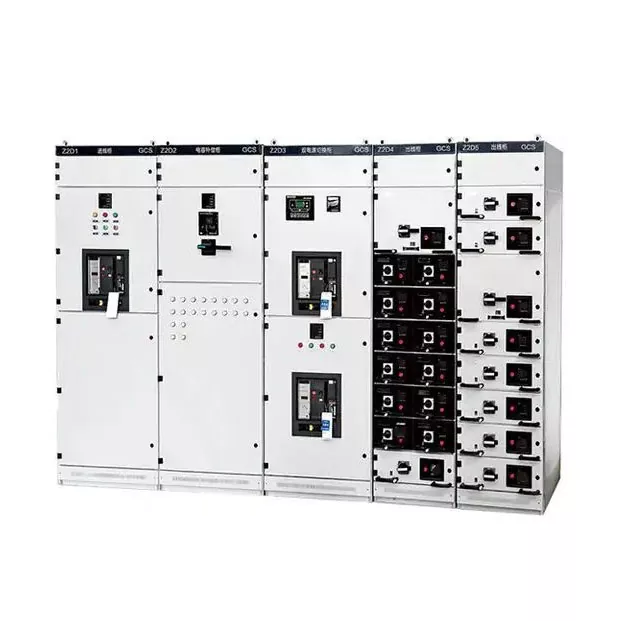
Why Does Low Voltage Switchgear Matter More Than Many Buyers Expect?
I have seen many buyers focus on transformers, generators, or high voltage equipment first, while treating low voltage cabinets as a secondary purchase. That is a risky habit. The low voltage distribution system is often closest to the final electrical load, which means poor cabinet design can affect machines, lighting, pumps, HVAC systems, charging systems, and production lines.
A reliable Low Voltage Switchgear system helps manage several core tasks at the same time:
- Distributing power to different circuits in a controlled way
- Protecting electrical equipment from overloads and short circuits
- Improving operational safety through interlocking and insulation design
- Supporting motor control and reactive power compensation
- Making inspection, repair, and replacement work easier for technicians
For a plant manager or project contractor, these functions are not theoretical. They are directly connected with fewer shutdowns, safer daily work, and better project acceptance after installation.
What Problems Can A Better Low Voltage Switchgear System Help Solve?
The most common pain points I hear from buyers are not always about the cabinet itself. They are about what happens after the cabinet is installed. Will the system be easy to expand? Will the drawer units be convenient to inspect? Can the cabinet handle practical site conditions? Will the supplier support custom requirements instead of forcing a standard layout?
These questions matter because power distribution equipment usually serves for many years. If the design is too rigid at the beginning, the owner may face higher modification costs later.
| Buyer Concern | Why It Matters On Site | What A Practical Switchgear Design Should Provide |
|---|---|---|
| Unexpected downtime | A single cabinet fault may interrupt production or building operation | Clear circuit separation, reliable protection devices, and accessible maintenance structure |
| Limited installation space | Many electrical rooms have strict layout restrictions | Compact cabinet arrangement and flexible configuration options |
| Difficult maintenance | Slow inspection increases labor cost and operational risk | Drawer-style or modular units that allow easier fault checking and component replacement |
| Changing load demand | Factories and buildings often add new machines or circuits later | Modular design that supports future expansion and adjustment |
| Energy loss | Poor busbar layout and weak compensation design can increase operating costs | Optimized internal structure and support for reactive power management |
How Does Modular Design Improve Daily Operation?
I usually prefer modular switchgear for projects where future change is likely. A modular cabinet structure allows circuits to be arranged more logically, and it gives the project team more freedom when matching different loads. For example, a manufacturing plant may start with several production lines and later add more motor loads. If the switchgear has enough flexibility, the owner can adapt more easily.
Lugao’s low voltage product range includes fixed and withdrawable options, which is useful because not every project needs the same structure. A fixed cabinet can be a good choice for stable distribution requirements, while a withdrawable cabinet is often preferred when maintenance convenience and circuit independence are priorities.
In my view, this is one of the strongest reasons to consider Low Voltage Switchgear from an experienced manufacturer. The cabinet is not just a metal enclosure with components inside. It is an operating platform for the whole low voltage distribution network.
- Withdrawable units can make inspection and replacement more convenient
- Modular layouts can help separate circuits more clearly
- Standardized structures can reduce installation confusion
- Flexible configurations can support different power capacities
- Clear panel arrangement can help operators locate faults faster
Which Features Should I Check Before Choosing Low Voltage Switchgear?
Before I recommend a switchgear supplier, I usually check the practical details first. A good cabinet should not only look neat in a product photo. It should make sense for installation, inspection, protection, and long-term operation.
| Feature To Check | What I Look For | Why It Helps The Buyer |
|---|---|---|
| Protection design | Circuit breakers, reliable auxiliary contacts, and proper protective circuit arrangement | Helps reduce damage from overloads, short circuits, and abnormal operation |
| Internal insulation | Clean spacing, solid support, and stable insulation performance | Improves electrical safety and lowers fault risk |
| Busbar layout | Reasonable arrangement that supports heat control and current flow | Helps improve efficiency and operating stability |
| Maintenance access | Drawer units, clear labeling, and convenient inspection points | Reduces maintenance time and supports safer service work |
| Customization ability | Support for project-specific capacity, layout, and control requirements | Makes the equipment easier to match with real site needs |
These details are especially important for EPC contractors, distributors, and project owners who need equipment that can pass technical review without creating avoidable trouble during commissioning.
How Can Low Voltage Switchgear Improve Safety During Maintenance?
Safety is one of the first reasons I pay attention to cabinet structure. In electrical rooms, technicians need to inspect wiring, confirm instrument readings, test auxiliary contacts, and verify protective circuits. A cabinet that is hard to access increases the chance of mistakes.
A well-planned Low Voltage Switchgear system can help maintenance teams work with more confidence. Drawer-style structures are especially useful when a project needs easier fault isolation. Instead of treating the entire system as one difficult-to-manage unit, technicians can inspect specific circuits more efficiently.
Before operation, I would usually expect a project team to check several points:
- Whether the cabinet surface and internal space are clean and dry
- Whether all operating mechanisms move smoothly
- Whether the main components and auxiliary contacts work correctly
- Whether instrument readings match the required transformer ratios and polarity
- Whether busbar connections and insulation supports are secure
- Whether fuse elements and relay settings match the design requirements
- Whether the wiring follows the electrical schematic
- Whether insulation resistance has been tested before energizing
These checks may seem routine, but they often decide whether the project starts smoothly or enters a long cycle of troubleshooting.
Why Is Energy Efficiency Becoming A Bigger Reason To Upgrade Switchgear?
Power distribution buyers are paying more attention to energy use because operating costs are no longer easy to ignore. A cabinet with poor internal design may generate unnecessary heat, create inefficient current paths, or make reactive power management harder. Over time, small inefficiencies can become real expenses.
I would not describe switchgear as a magic solution for energy savings, because that would be unrealistic. However, a better-designed Low Voltage Switchgear system can support a more efficient electrical network. Optimized busbar arrangement, proper compensation design, and stable component matching can all contribute to smoother operation.
For commercial buildings, this can mean more stable distribution for lighting, elevators, HVAC systems, and public facilities. For industrial plants, it can support motors, pumps, compressors, and process equipment. For infrastructure projects, it can help create a more dependable low voltage network that is easier to manage after handover.
What Applications Are Suitable For Low Voltage Switchgear?
I would consider low voltage switchgear for almost any project that needs safe and organized power distribution. The key is not whether the equipment is needed, but how well the selected design matches the load profile, installation environment, and maintenance expectations.
| Application Area | Typical Use | Key Value For The Project |
|---|---|---|
| Industrial facilities | Factories, workshops, refineries, and chemical plants | Stable power distribution and motor control for production equipment |
| Commercial buildings | Office buildings, malls, hotels, and hospitals | Reliable distribution for daily electrical systems and facility management |
| Infrastructure projects | Schools, utilities, stations, and public service buildings | Organized circuit control and long-term maintenance convenience |
| Energy management projects | Reactive power compensation and load optimization systems | Improved efficiency and better control over operating costs |
| Export and EPC projects | International construction and electrical engineering projects | Custom configuration support and documentation-friendly product planning |
How Do I Compare Fixed And Withdrawable Switchgear?
I do not think one structure is always better than the other. The better choice depends on the project. Fixed switchgear can be suitable when the circuit arrangement is stable and the buyer wants a straightforward distribution solution. Withdrawable switchgear is often more attractive when maintenance speed, circuit independence, and future adjustment matter more.
When evaluating Lugao Power Co., Ltd, I would look at both product directions because their low voltage range covers different project needs. For a buyer, this matters because a supplier who only pushes one standard cabinet may not be thinking about the real operating environment.
- Choose fixed switchgear when the project has stable load demand and clear distribution requirements
- Choose withdrawable switchgear when maintenance convenience and fast circuit handling are important
- Choose a modular solution when future expansion is likely
- Choose customized layouts when the electrical room, load list, or project standard requires special planning
In other words, choosing Low Voltage Switchgear should be a technical decision, not a catalog decision.
Why Should Project Buyers Care About Manufacturer Support?
A switchgear purchase does not end when the cabinet leaves the factory. Buyers still need drawings, technical communication, product configuration, inspection support, delivery coordination, and sometimes urgent answers during installation. This is where manufacturer experience becomes important.
I would rather work with a supplier that understands industrial, commercial, and infrastructure use cases than one that only sells standard models. For overseas buyers, clear communication and customization support can save time during tender preparation, project approval, and final commissioning.
Lugao Power Co., Ltd positions its low voltage switchgear for power distribution, motor control, and reactive power management. That range is useful because many projects need more than a simple distribution cabinet. They need an integrated solution that can match site requirements and support dependable operation.
What Makes A Low Voltage Switchgear Supplier Worth Contacting?
I would put practical engineering value above loud marketing claims. A good supplier should help the buyer answer the questions that matter before the order is placed. What current rating is suitable? Which cabinet type fits the load list? Does the project need withdrawable units? How should the circuits be arranged? What inspection requirements should be considered before energizing the system?
When a manufacturer can discuss these details clearly, the buyer has a better chance of getting equipment that works well after installation. That is the real value of choosing a professional Low Voltage Switchgear manufacturer instead of only comparing cabinet prices.
If you are planning a factory upgrade, commercial building project, infrastructure installation, or EPC power distribution package, I would suggest preparing your load requirements, installation drawings, and preferred cabinet type first. Then you can speak with Lugao Power Co., Ltd for a more accurate solution. To get product details, discuss customization, or request a project quotation, please leave an inquiry or contact us today.