

How Can the Right Electrical Substation Improve Power Reliability and Lower Project Risk?
2026-04-20
When I speak with buyers, EPC contractors, and utility planners, I often notice the same concern behind different questions: how do we choose an Electrical Substation solution that is reliable, practical to install, and cost-effective over the long term? That is exactly where Conso Electrical Science and Technology Co., Ltd. naturally comes into the conversation. In my view, a well-designed Electrical Substation is not just a piece of equipment standing between the grid and the end user. It is a working system that affects safety, uptime, maintenance pressure, expansion flexibility, and the overall confidence of the people responsible for the project.
In real purchasing decisions, the problem is rarely just about getting power from one voltage level to another. The real issue is whether the chosen Electrical Substation can match site conditions, load behavior, installation limits, environmental demands, and future operating plans without creating hidden costs later. That is why I always look beyond simple specifications and focus on how the equipment performs in actual use.
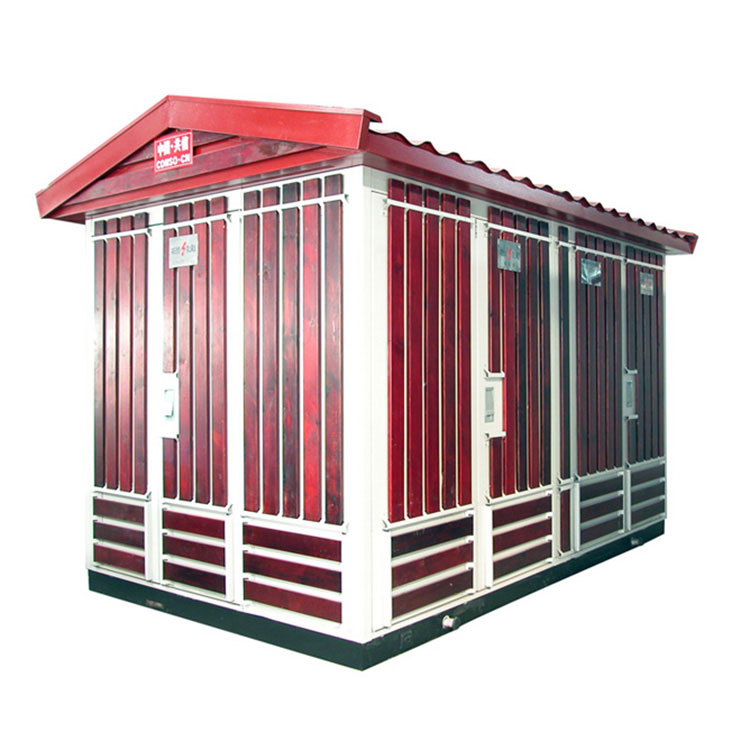
What Makes an Electrical Substation a Smart Investment Instead of a Procurement Burden?
I think the answer starts with perspective. Many buyers compare quotations line by line, yet the lowest initial price does not always deliver the lowest real cost. A properly engineered Electrical Substation can reduce installation time, simplify cable routing, improve operating safety, and make future inspection work much easier. When these practical benefits are built into the design from the beginning, the equipment becomes an asset rather than a source of recurring trouble.
- I want a layout that is easy for engineers and operators to understand.
- I look for component integration that reduces coordination problems during installation.
- I value enclosure strength, internal arrangement, and practical service access.
- I prefer solutions that can be adapted to urban, industrial, commercial, or utility environments.
- I pay close attention to long-term maintainability, not only delivery cost.
That is why compact and integrated systems are often attractive. They help reduce the footprint, support faster deployment, and make project planning more straightforward. For customers dealing with limited land, strict construction schedules, or site-specific electrical requirements, this matters a great deal.
Why Do Buyers Often Struggle When Comparing Different Electrical Substation Options?
From my experience, the biggest challenge is that different suppliers may appear to offer similar products while the real value sits in the details. A quotation may list similar ratings, but the practical difference can show up in manufacturing quality, internal component matching, enclosure design, testing discipline, and customization capability.
That is why I recommend looking at the project from several angles at once. A good buying decision usually comes from matching technical performance with on-site reality. If the equipment looks strong on paper but creates installation headaches, difficult maintenance access, or future expansion limits, it is not truly the right fit.
| Buying Concern | Why It Matters | What I Look For |
|---|---|---|
| Site space | Limited space can make conventional layouts difficult | Compact arrangement with practical access for operation and service |
| Installation schedule | Delays increase project cost and coordination pressure | Integrated design that supports easier transport and faster setup |
| Load requirements | Wrong sizing can affect performance and expansion plans | Configuration that matches present demand and future growth |
| Operating environment | Heat, dust, moisture, or altitude can affect reliability | Materials and design chosen for the actual application conditions |
| Maintenance expectations | Poor access raises service time and labor burden | Clear internal layout and user-friendly servicing space |
How Do I Judge Whether an Electrical Substation Is Built for Real-World Use?
I usually start with a simple question: does this design reflect how the equipment will actually be used, or does it only look good in a catalog? A dependable Electrical Substation should support stable power distribution while also making life easier for the people who install, inspect, and operate it.
For that reason, I pay attention to features that solve practical problems:
- Reasonable internal separation for safer operation
- Stable component integration for smoother electrical performance
- Enclosure and structure that support protection in demanding environments
- Flexible configuration choices for different voltage and capacity requirements
- Design thinking that considers both present use and future adjustments
If a supplier can discuss these points clearly and tie them to the actual project, I take that as a strong sign. It shows they understand more than manufacturing alone. They understand application.
Which Product Advantages Matter Most When I Need Better Project Performance?
For many projects, performance is not only about output. It is also about control, consistency, and reduced uncertainty. When I evaluate solutions associated with Conso Electrical Science and Technology Co., Ltd., I would focus on the kinds of advantages buyers typically want in a modern integrated power distribution solution.
| Product Advantage | How It Helps the Buyer |
|---|---|
| Compact integrated structure | Helps save installation space and supports efficient deployment |
| Customizable configuration | Allows better alignment with project voltage, capacity, and application needs |
| Practical equipment layout | Improves accessibility for operation and maintenance |
| Application-oriented design | Supports use across industrial, commercial, infrastructure, and utility scenarios |
| Integrated supply approach | Helps reduce coordination complexity across multiple power system components |
What I like about this way of thinking is that it reflects how buyers actually make decisions. Most customers are not looking for abstract technical language. They want a solution that helps them avoid delay, reduce operational risk, and keep the project moving with confidence.
What Should I Ask Before Ordering an Electrical Substation for My Project?
I believe the best purchasing conversations happen when the buyer asks focused questions early. That reduces misunderstanding and leads to a better final configuration. Before moving forward, I would normally confirm the following:
- What voltage levels and capacity does the project require?
- Is the installation site urban, industrial, commercial, remote, or infrastructure-based?
- How much space is available for transport, placement, and service access?
- What environmental conditions should the design account for?
- Will the system need to support future expansion or load changes?
- What level of inspection, maintenance, and operational convenience is expected?
These questions may sound basic, but they directly affect whether the final Electrical Substation performs smoothly after delivery. In my experience, many avoidable project problems begin when a product is selected too quickly without enough discussion about the actual installation environment.
How Can the Right Supplier Make an Electrical Substation Easier to Buy?
A good supplier does more than provide a product list. I expect useful technical communication, a clear understanding of application needs, and a willingness to adapt the solution to the customer rather than forcing the customer to adapt to a fixed catalog item.
That is an important reason why buyers tend to value a manufacturer that can talk about integrated power distribution in practical terms. The ideal supplier should help simplify decision-making, not complicate it. I want a partner who can explain options clearly, respond to customization needs, and support a smoother path from inquiry to delivery.
When that happens, the buying process becomes more efficient in several ways:
- Fewer mismatches between technical selection and site conditions
- More confidence during internal approval and procurement review
- Better coordination between electrical planning and construction progress
- Lower risk of modification costs after equipment arrival
- Stronger trust between the project team and the manufacturer
Is an Electrical Substation Only About Equipment or Also About Long-Term Value?
I would say it is absolutely about long-term value. The immediate purchase matters, of course, but the real success of an Electrical Substation is measured over time. Stable performance, easier maintenance, safer access, and suitability for the application can all influence the project long after installation is complete.
That is exactly why buyers should think beyond one-time pricing. A lower-cost option that increases service burden or creates layout difficulties may become more expensive in practice. On the other hand, a well-matched solution can support more predictable operation and better system confidence.
For projects where reliability, efficient installation, and practical system integration are major concerns, it makes sense to evaluate the equipment in terms of total project value rather than simple upfront numbers alone.
How Can I Move Forward If I Am Comparing Electrical Substation Solutions Right Now?
If I were choosing today, I would start by defining the actual site conditions, load expectations, and operational priorities, then compare suppliers based on how well they respond to those real needs. That is where a company like Conso Electrical Science and Technology Co., Ltd. can become relevant to the discussion, especially for buyers looking for a practical and integrated approach to power distribution equipment.
If you are currently reviewing options for an Electrical Substation, planning a new installation, or replacing an existing system, now is the right time to discuss the details of your project with a supplier that understands both equipment design and application needs. Tell us your voltage level, capacity target, installation environment, and project expectations. We are ready to help you evaluate the right solution for your application. Please contact us today and send your inquiry to start a more confident purchasing conversation.