

How CNC Aluminum Machining Delivers Precision Parts for Modern Manufacturing?
2026-07-24
Article Summary
CNC Aluminum Machining has become an essential manufacturing solution for industries that require lightweight, strong, and highly accurate components. From aerospace structures and automotive parts to electronic housings and industrial equipment, aluminum machining provides excellent dimensional accuracy, surface quality, and production efficiency. However, many manufacturers still face challenges such as inconsistent quality, material waste, long production cycles, and difficulty achieving complex designs.
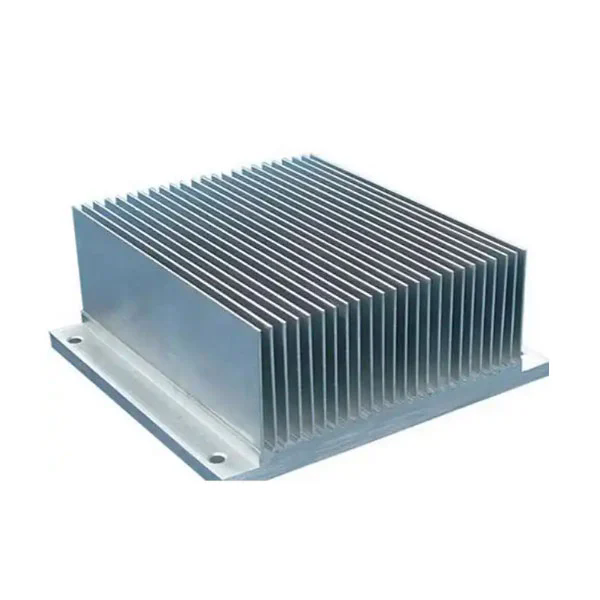
This article explains how CNC Aluminum Machining works, why it is widely adopted, what challenges manufacturers should consider, and how professional machining suppliers like Xiamen Xiangxing Xin Industry and Trade Co., Ltd. help customers achieve reliable customized aluminum components with advanced manufacturing capabilities.
Table of Contents
- 1. What Is CNC Aluminum Machining?
- 2. How Does CNC Aluminum Machining Work?
- 3. Why Choose CNC Aluminum Machining for Precision Manufacturing?
- 4. What Challenges Can CNC Aluminum Machining Solve?
- 5. Common Aluminum Materials Used in CNC Machining
- 6. Applications of CNC Aluminum Machining Across Industries
- 7. How to Ensure High-Quality CNC Aluminum Machined Parts?
- 8. CNC Aluminum Machining Compared with Other Manufacturing Methods
- 9. Frequently Asked Questions About CNC Aluminum Machining
- 10. Final Thoughts
1. What Is CNC Aluminum Machining?
CNC Aluminum Machining is an advanced manufacturing process that uses computer numerical control technology to remove material from aluminum blocks, sheets, or custom workpieces to create precise components. The CNC system controls cutting tools according to programmed instructions, allowing manufacturers to produce complex geometries with consistent accuracy.
Unlike traditional manual machining, CNC technology enables automated operations with higher repeatability and improved production efficiency. Manufacturers can create prototypes, small batches, and large-scale production parts while maintaining strict dimensional requirements.
Aluminum is one of the most popular materials for CNC machining because it offers an excellent balance of strength, corrosion resistance, machinability, and lightweight performance. These characteristics make aluminum suitable for industries where performance and reliability are critical.
2. How Does CNC Aluminum Machining Work?
The CNC Aluminum Machining process involves several important stages. Each step influences the final quality, accuracy, and performance of the finished component.
| Manufacturing Stage | Description | Customer Benefit |
|---|---|---|
| Design Preparation | Engineers create 3D models and machining drawings using CAD software. | Ensures accurate product specifications before production. |
| CNC Programming | CAM software converts designs into machine instructions. | Improves machining precision and reduces human errors. |
| Material Selection | The suitable aluminum alloy is selected based on application requirements. | Provides better mechanical performance. |
| CNC Machining | Cutting tools remove aluminum material according to programmed paths. | Creates complex and precise components. |
| Surface Finishing | Processes such as anodizing, polishing, or coating improve appearance and durability. | Enhances corrosion resistance and product value. |
| Inspection | Finished parts are measured and tested according to requirements. | Guarantees stable quality and reliability. |
A professional machining manufacturer combines advanced equipment, experienced technicians, and strict production management to ensure every CNC aluminum component meets customer expectations.
3. Why Choose CNC Aluminum Machining for Precision Manufacturing?
Many industries choose CNC Aluminum Machining because it provides advantages that traditional manufacturing methods cannot easily achieve.
- High Precision: CNC machines can achieve extremely accurate dimensions, making them suitable for parts with strict tolerances.
- Complex Design Capability: Advanced CNC equipment can manufacture intricate structures, curved surfaces, and detailed features.
- Fast Production: Automated machining reduces production time and improves manufacturing efficiency.
- Material Efficiency: Precise cutting paths help reduce aluminum waste and control manufacturing costs.
- Excellent Surface Quality: Machined aluminum parts can achieve smooth finishes suitable for visible applications.
- Flexible Customization: CNC machining supports customized designs for prototypes and mass production.
For companies developing new products, CNC Aluminum Machining provides the flexibility needed to transform ideas into functional components quickly and efficiently.
4. What Challenges Can CNC Aluminum Machining Solve?
Manufacturers often encounter several difficulties when producing aluminum parts. CNC machining provides effective solutions to these common problems.
| Common Manufacturing Challenge | CNC Aluminum Machining Solution |
|---|---|
| Inconsistent manual processing quality | Computer-controlled machining provides stable and repeatable results. |
| Difficulty producing complex shapes | Multi-axis CNC equipment enables advanced geometric designs. |
| Long development cycles | Rapid prototyping allows faster product testing and improvement. |
| High material waste | Optimized programming improves material utilization. |
| Strict quality requirements | Precision inspection systems ensure dimensional accuracy. |
By addressing these challenges, CNC Aluminum Machining helps businesses reduce production risks and improve overall manufacturing performance.
5. Common Aluminum Materials Used in CNC Machining
Different aluminum alloys provide different mechanical properties. Selecting the right material is important for achieving the required performance.
| Aluminum Alloy | Main Features | Typical Applications |
|---|---|---|
| 6061 Aluminum | Good strength, corrosion resistance, and machinability. | Industrial parts, frames, equipment components. |
| 7075 Aluminum | High strength and excellent fatigue resistance. | Aerospace and high-performance components. |
| 5052 Aluminum | Excellent corrosion resistance and flexibility. | Enclosures and sheet metal applications. |
| 2024 Aluminum | High strength and fatigue performance. | Aerospace structures and mechanical parts. |
6. Applications of CNC Aluminum Machining Across Industries
CNC Aluminum Machining is widely used because aluminum components can meet the requirements of various industries.
- Aerospace Industry: Lightweight aluminum parts help reduce aircraft weight while maintaining strength.
- Automotive Industry: Precision aluminum components improve vehicle performance and efficiency.
- Electronics Industry: Aluminum housings provide durability and effective heat dissipation.
- Medical Equipment: Accurate aluminum parts support reliable medical devices and instruments.
- Automation Industry: CNC aluminum components are widely used in robotic systems and production equipment.
Xiamen Xiangxing Xin Industry and Trade Co., Ltd. provides customized CNC Aluminum Machining solutions designed to meet different industry requirements, helping customers develop reliable and high-performance products.
7. How to Ensure High-Quality CNC Aluminum Machined Parts?
Quality control plays an essential role in CNC aluminum manufacturing. Reliable suppliers usually focus on several key areas:
- Using advanced CNC machining equipment with stable performance.
- Selecting suitable aluminum alloys based on application needs.
- Optimizing machining parameters to improve accuracy and efficiency.
- Conducting strict dimensional inspections after production.
- Providing professional surface treatment options.
- Maintaining clear communication throughout the customization process.
Choosing an experienced CNC machining partner helps customers avoid production delays, quality problems, and unnecessary costs.
8. CNC Aluminum Machining Compared with Other Manufacturing Methods
| Manufacturing Method | Advantages | Limitations |
|---|---|---|
| CNC Aluminum Machining | High accuracy, flexible designs, suitable for prototypes and production. | Requires professional programming and equipment. |
| Injection Molding | Suitable for very high-volume plastic production. | Higher tooling costs and limited material options. |
| Die Casting | Efficient for large quantities of metal parts. | Less flexible for design changes. |
| Manual Machining | Useful for simple repairs and small tasks. | Lower consistency and efficiency. |
9. Frequently Asked Questions About CNC Aluminum Machining
Q1: What industries use CNC Aluminum Machining?
CNC Aluminum Machining is used in aerospace, automotive, electronics, medical equipment, automation, and many other industries requiring accurate aluminum components.
Q2: Why is aluminum suitable for CNC machining?
Aluminum is lightweight, corrosion-resistant, strong, and easy to machine, making it an ideal material for precision manufacturing.
Q3: Can CNC Aluminum Machining support customized designs?
Yes. CNC machining can produce customized parts based on customer drawings, CAD files, and specific application requirements.
Q4: How can manufacturers improve CNC aluminum part quality?
Working with experienced suppliers, selecting suitable materials, optimizing machining parameters, and performing strict inspections can significantly improve quality.
Q5: What makes a reliable CNC Aluminum Machining supplier?
A reliable supplier should have advanced equipment, professional engineering support, quality control systems, and experience handling customized manufacturing projects.
10. Final Thoughts
CNC Aluminum Machining provides manufacturers with a powerful solution for producing accurate, durable, and lightweight components. Its combination of precision, flexibility, and efficiency makes it an important technology for modern industries.
By selecting the right machining partner, businesses can achieve better product performance, shorter development cycles, and more reliable manufacturing results. Xiamen Xiangxing Xin Industry and Trade Co., Ltd. is committed to delivering professional CNC aluminum machining services and customized solutions for global customers.
If you are looking for dependable CNC Aluminum Machining solutions with professional support and customized manufacturing capabilities, please contact us today to discuss your project requirements and receive a suitable machining solution.