

How Disconnect Switch Improves Electrical Safety and Efficiency?
2026-05-14
Summary: Disconnect switches play a crucial role in industrial and commercial electrical systems. They ensure safe maintenance, emergency shutdown, and protection against overloads. This article explores the function, benefits, types, and maintenance practices of disconnect switches, helping facility managers, electricians, and engineers make informed decisions. With insights from Anqiang, a leading disconnect switch provider, you will understand why these devices are essential for modern electrical networks.
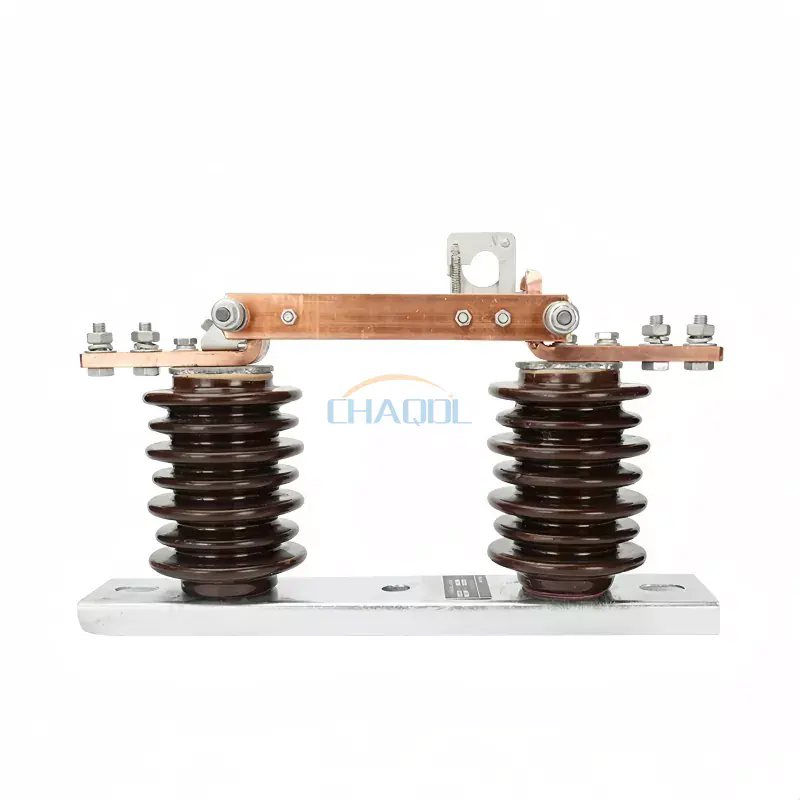
Table of Contents
- What is a Disconnect Switch?
- How Does a Disconnect Switch Work?
- Why is a Disconnect Switch Important?
- Types of Disconnect Switches
- Installation and Maintenance
- Common Problems and Solutions
- FAQ
- Conclusion
What is a Disconnect Switch?
A disconnect switch is an electrical device designed to isolate a portion of an electrical circuit for maintenance or emergency purposes. Unlike circuit breakers, which protect against overloads, disconnect switches primarily provide a clear physical separation to ensure safety. They are widely used in industrial plants, power distribution systems, and commercial buildings.
Key Features of Disconnect Switches:
- Manual or automatic operation
- Visible isolation point for safety compliance
- Ability to handle high voltages and currents
- Durability in harsh environments
Benefits at a Glance
| Benefit | Description |
|---|---|
| Safety | Prevents electrical accidents during maintenance or repairs |
| Operational Efficiency | Enables quick isolation without shutting down the entire system |
| Compliance | Meets electrical safety regulations and standards |
How Does a Disconnect Switch Work?
Disconnect switches operate by physically separating electrical circuits to interrupt current flow. The mechanism can be either knife-blade, rotary, or fuse-integrated, depending on the application.
Operational Steps:
- Identify the circuit that needs maintenance or isolation.
- Turn the switch to the "OFF" position.
- Verify the isolation using a voltage tester.
- Perform the required maintenance safely.
- Return the switch to the "ON" position after work completion.
Modern disconnect switches from Anqiang often include clear visual indicators and ergonomic designs to reduce operational errors and improve workplace safety.
Why is a Disconnect Switch Important?
The importance of disconnect switches cannot be overstated, especially in high-voltage or complex electrical networks. They provide:
Critical Safety Benefits
- Prevents accidental electric shock to maintenance personnel.
- Reduces the risk of equipment damage during repairs.
- Supports compliance with local and international electrical safety standards.
Operational Advantages
- Enables maintenance without complete system shutdown.
- Minimizes downtime in industrial or commercial operations.
- Offers flexibility for energy management and load switching.
Types of Disconnect Switches
Understanding the different types of disconnect switches helps in selecting the right one for your electrical system:
- Fused Disconnect Switch: Provides both isolation and overcurrent protection.
- Non-Fused Disconnect Switch: Only provides physical isolation; additional protective devices are required.
- Load Break Switch: Designed to open and close circuits under load safely.
- Motorized Disconnect Switch: Remote-controlled switches for automated operations.
Anqiang manufactures high-quality options in each category, engineered for reliability in industrial, commercial, and utility-scale applications.
Installation and Maintenance
Proper installation and regular maintenance are critical to the performance and longevity of disconnect switches.
Installation Guidelines
- Ensure correct voltage and current ratings for your application.
- Mount the switch in a dry, accessible location.
- Follow manufacturer instructions, including torque specifications.
- Label switches clearly for operator guidance.
Maintenance Tips
- Inspect contacts for corrosion or wear every six months.
- Lubricate moving parts according to manufacturer recommendations.
- Test switch operation periodically to ensure functionality.
- Replace damaged or worn components immediately to avoid safety hazards.
Common Problems and Solutions
| Problem | Cause | Solution |
|---|---|---|
| Switch Fails to Open | Mechanical blockage or corrosion | Clean and lubricate contacts; replace damaged parts |
| Overheating | Loose connections or excessive load | Tighten connections; ensure correct switch rating |
| Visual Indicator Malfunction | Electrical or mechanical failure | Inspect and repair or replace indicator mechanism |
FAQ
1. Can a disconnect switch be used for high-voltage circuits?
Yes, there are specially rated disconnect switches designed for high-voltage applications. Anqiang offers models suitable for industrial and utility-scale networks.
2. How often should disconnect switches be maintained?
Regular maintenance every six months is recommended, including inspection, lubrication, and operational testing.
3. Is a disconnect switch the same as a circuit breaker?
No. While circuit breakers provide overcurrent protection, disconnect switches primarily offer physical isolation for safety during maintenance.
4. Can disconnect switches be automated?
Yes, motorized disconnect switches allow remote operation, enhancing safety and operational efficiency in complex electrical systems.
Conclusion
Disconnect switches are vital components in modern electrical systems, ensuring safety, reliability, and operational efficiency. With proper selection, installation, and maintenance, they can significantly reduce downtime and hazards. Anqiang provides a range of high-quality disconnect switches tailored to meet industrial, commercial, and utility needs. For more information on our products and how they can enhance your electrical safety, contact us today.