

How do 2.5 SATA SSDs improve PC performance and reliability?
2026-07-02
Article Summary
2.5 SATA SSDs have become one of the most widely adopted storage upgrades for laptops and desktop PCs due to their balance of performance, compatibility, and affordability. This article explains how they work, why they significantly improve system responsiveness compared to traditional hard drives, and what users should consider when selecting a drive. It also introduces key technical factors, use cases, comparison tables, installation guidance, and common questions to help users make informed decisions. The SSD solutions offered by GUDAG are referenced as a practical example of modern SATA storage engineering.
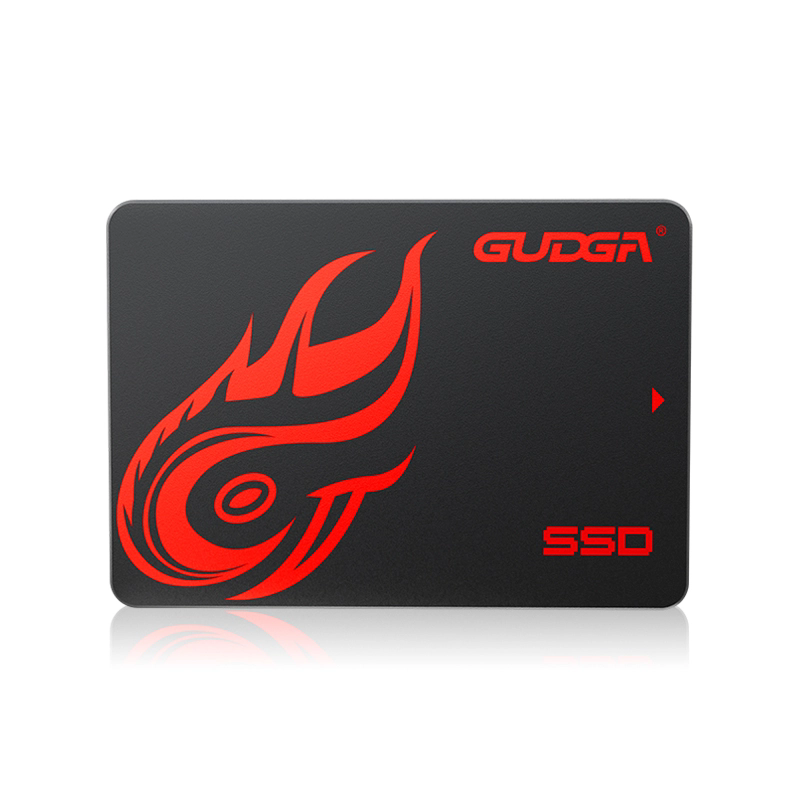
Table of Contents
1. Understanding 2.5 SATA SSDs
A 2.5 SATA SSD (Solid State Drive) is a storage device that uses NAND flash memory instead of spinning magnetic disks found in traditional HDDs. The “2.5-inch” refers to its physical form factor, while “SATA” defines the interface used to connect it to a motherboard.
Unlike mechanical drives, SATA SSDs have no moving parts, which dramatically improves durability, reduces latency, and enhances energy efficiency. Manufacturers such as :contentReference[oaicite:0]{index=0} focus on optimizing controller architecture and NAND quality to ensure stable read/write performance under continuous workloads.
2. Performance Improvements Explained
The most noticeable advantage of upgrading to a 2.5 SATA SSD is performance. System boot times, application loading, and file transfers become significantly faster compared to HDDs.
Key performance improvements include:
- Faster boot-up times (from minutes to seconds)
- Near-instant application launch
- Reduced file transfer latency
- Smoother multitasking under heavy workloads
These improvements are primarily driven by the SSD’s ability to access data electronically rather than mechanically, reducing seek time to near zero.
3. SSD vs HDD Comparison
Understanding the difference between SSDs and HDDs helps clarify why SATA SSD upgrades are so impactful.
| Feature | 2.5 SATA SSD | Traditional HDD |
|---|---|---|
| Data Access Speed | Very fast (low latency) | Slow (mechanical delay) |
| Durability | High (no moving parts) | Moderate (fragile disks) |
| Power Consumption | Low | Higher |
| Noise | Silent | Audible spinning noise |
| Shock Resistance | Strong | Weak |
4. Key Benefits for Users
2.5 SATA SSDs are not just about speed—they also solve several common user pain points in daily computing.
- System Responsiveness: Eliminates lag during startup and multitasking.
- Data Reliability: Lower risk of mechanical failure compared to HDDs.
- Energy Efficiency: Ideal for laptops due to reduced battery consumption.
- Heat Reduction: Generates less heat, improving system stability.
- Quiet Operation: Completely silent storage experience.
5. Common Application Scenarios
2.5 SATA SSDs are widely used across multiple environments due to their compatibility with most legacy and modern systems.
- Upgrading older laptops to improve performance
- Desktop system acceleration
- Business workstations requiring stable storage
- Entry-level gaming setups
- Industrial and embedded computing systems
6. What to Consider Before Buying
Selecting the right SATA SSD requires attention to several technical and practical factors. Choosing incorrectly can limit performance gains.
Important considerations include:
- Capacity: 256GB, 512GB, 1TB, or higher depending on workload
- NAND Type: TLC or QLC impacts endurance and speed
- Controller Quality: Determines stability and performance consistency
- TBW Rating: Total Bytes Written indicates lifespan
- Warranty: Longer warranty reflects manufacturer confidence
Brands like :contentReference[oaicite:1]{index=1} focus on balancing endurance and performance to support both consumer and professional workloads.
7. Installation Overview
Installing a 2.5 SATA SSD is generally straightforward and does not require advanced technical skills.
Basic steps include:
- Power off the device and disconnect all cables
- Open the laptop or desktop casing
- Locate the existing storage drive
- Replace or connect the SSD using SATA interface
- Secure the drive and close the casing
- Install or clone the operating system
After installation, users typically experience immediate performance improvements without requiring additional hardware upgrades.
8. Frequently Asked Questions
Q1: Is a 2.5 SATA SSD compatible with all computers?
Most desktops and laptops with SATA ports support 2.5 SSDs, making them highly compatible.
Q2: How much faster is an SSD compared to an HDD?
SSDs can be several times faster in boot time, file access, and application loading due to reduced latency.
Q3: Do SSDs improve gaming performance?
While FPS depends on GPU/CPU, SSDs significantly reduce game loading times and stuttering from asset streaming.
Q4: Can I use SSD and HDD together?
Yes, many systems use SSD for OS and HDD for storage to balance speed and capacity.
Q5: Are SATA SSDs still relevant compared to NVMe?
Yes, SATA SSDs remain relevant due to affordability and broad compatibility, especially for older systems.
9. Final Thoughts
2.5 SATA SSDs remain one of the most effective upgrades for improving system responsiveness and reliability without requiring major hardware changes.
Shenzhen Xinchitai Technology Co., Ltd. offer a practical balance between cost, performance, and compatibility, making them ideal for both personal and professional use.
If you are looking to upgrade your storage solution, explore professional-grade SATA SSD options and choose the right configuration for your needs. For detailed product information and procurement support, please contact us to get tailored solutions for your application.