

How Do Offshore Engineering Cables Ensure Reliable Performance in Harsh Marine Environments?
2025-12-12
Offshore engineering cables are specialized conductors designed to operate reliably in extreme marine environments. These cables are essential for the safe and efficient operation of offshore platforms, wind farms, oil rigs, and subsea installations. Engineered to withstand mechanical stress, chemical exposure, and fluctuating temperatures, offshore engineering cables provide durable power and data transmission solutions over long distances under water and in challenging atmospheric conditions.
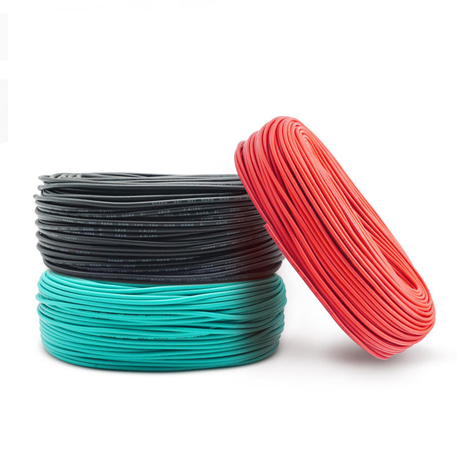
Offshore cables are built using high-quality conductive materials, advanced insulation systems, and protective sheathing to resist corrosion, abrasion, and UV degradation. They must comply with stringent international standards such as IEC 60502, IEC 60228, and DNV-GL certifications, ensuring safety and reliability. Their unique design supports dynamic and static installation scenarios, including floating platforms and subsea pipelines.
| Parameter | Specification |
|---|---|
| Conductor Material | Copper or Aluminum, Class 1 or Class 2 (flexible or stranded) |
| Insulation | Cross-linked polyethylene (XLPE) or Ethylene Propylene Rubber (EPR) |
| Sheath Material | Polyvinyl Chloride (PVC), Polyethylene (PE), or Thermoplastic Elastomer (TPE) |
| Voltage Rating | 0.6/1 kV to 36/66 kV depending on application |
| Temperature Range | -40°C to +90°C (operating), -50°C to +105°C (short-term) |
| Mechanical Protection | Steel wire armoring, aluminum tape, or braid |
| Standards Compliance | IEC 60502, IEC 60228, DNV-GL, ABS, Lloyd’s Register |
How Can Offshore Engineering Cables Withstand Extreme Mechanical and Environmental Stresses?
Offshore environments present a combination of mechanical, thermal, and chemical challenges. Wind, waves, and currents can generate significant forces, while saltwater, oil, and chemical exposure accelerate cable degradation. Offshore engineering cables incorporate multiple layers of protection to ensure long-term reliability:
-
Conductor and Insulation Design: Copper and aluminum conductors are stranded for flexibility and fatigue resistance. Insulation materials such as XLPE and EPR provide high dielectric strength, heat resistance, and chemical stability.
-
Armoring: Cables for subsea applications often include steel wire or aluminum armor to resist crushing, abrasion, and bending stress during installation and operation. Dynamic cables for floating structures are engineered to tolerate repeated flexing and torsion without compromising conductivity.
-
Sheath Materials: Outer sheaths are selected for resistance against UV exposure, seawater, and oil. Thermoplastic elastomers offer high elasticity, while PE and PVC provide mechanical strength and chemical resistance.
-
Temperature and Voltage Ratings: Offshore cables are rated for continuous operation in wide temperature ranges and varying voltage requirements. Their insulation and sheath systems ensure minimal thermal expansion and contraction, preventing premature failure.
By integrating these engineering features, offshore cables maintain consistent performance under the most demanding conditions, ensuring uninterrupted power and data transmission for offshore infrastructure.
How Do Offshore Engineering Cables Meet Industry Standards and Ensure Safety Compliance?
Adherence to international standards is critical in offshore applications due to the high-risk environment. Offshore engineering cables must meet rigorous testing protocols to ensure electrical, mechanical, and environmental performance.
Key Standards Include:
-
IEC 60502: Defines power cable construction, insulation, and testing for rated voltages up to 36/66 kV.
-
IEC 60228: Classifies conductors based on flexibility and mechanical endurance.
-
DNV-GL and ABS Certification: Verifies suitability for marine and offshore installation, including long-term mechanical stress and corrosion resistance.
Testing Procedures:
-
Electrical Testing: Voltage withstand, insulation resistance, and partial discharge tests confirm electrical reliability.
-
Mechanical Testing: Tensile, bending, impact, and crush tests assess structural integrity under dynamic loads.
-
Environmental Testing: Salt spray, UV, oil immersion, and thermal cycling simulate real-world offshore conditions.
FAQ – Offshore Engineering Cables
Q1: What factors determine the lifespan of offshore cables?
A1: Lifespan depends on insulation quality, armoring type, exposure to mechanical stress, and environmental conditions. Proper installation, periodic inspection, and adherence to standards extend operational life beyond 25 years.
Q2: Can offshore cables be repaired if damaged underwater?
A2: Minor damage can be repaired using specialized underwater joints and splicing kits. However, major insulation or armor failure typically requires cable replacement to maintain safety and performance.
By following industry standards, offshore cables minimize failure risks, reduce maintenance costs, and ensure operational continuity in offshore projects.
How Are Offshore Engineering Cables Evolving for Future Offshore Energy Projects?
The growing demand for renewable energy and deepwater exploration drives innovation in offshore cable technology. New developments aim to improve efficiency, flexibility, and environmental resilience:
-
High-Voltage and Lightweight Cables: Advanced conductor materials and insulation systems reduce cable weight while supporting higher voltage transmission, enabling cost-effective subsea power delivery.
-
Flexible Dynamic Cables: Floating offshore wind farms and tidal energy installations require cables that tolerate continuous motion. Research focuses on materials that maintain flexibility without insulation fatigue.
-
Smart Cable Technology: Integration of sensors for temperature, strain, and leakage current monitoring allows predictive maintenance, preventing unexpected downtime.
-
Eco-Friendly Materials: Manufacturers are exploring biodegradable sheaths and low-smoke, halogen-free insulation to minimize environmental impact in case of damage or disposal.
FAQ – Offshore Engineering Cables
Q1: What are dynamic offshore cables, and why are they important?
A1: Dynamic cables are designed to flex continuously with floating structures or wave motion. They are critical for offshore wind farms, enabling reliable energy transmission without insulation or conductor failure.
Q2: How do high-voltage subsea cables differ from standard offshore cables?
A2: High-voltage subsea cables have enhanced insulation, thicker armoring, and greater mechanical protection to handle higher electrical loads and long-distance transmission under water.
These advancements ensure that offshore cables can meet the future demands of deepwater oil, gas, and renewable energy projects while maintaining safety and efficiency.
How Can Offshore Engineering Cables Be Selected to Optimize Project Efficiency?
Selecting the right offshore cable requires understanding project-specific requirements, including load capacity, environmental exposure, installation method, and regulatory compliance. Key considerations include:
-
Voltage and Current Requirements: Assess power demand to determine cable size and conductor material.
-
Installation Environment: Evaluate water depth, seabed composition, and dynamic conditions to choose appropriate armoring and sheath materials.
-
Mechanical Flexibility: Dynamic or floating applications require cables with high fatigue resistance and bending endurance.
-
Compliance and Certification: Ensure cables meet IEC, DNV-GL, ABS, or other relevant standards to avoid project delays and safety issues.
Incorporating these factors during cable selection enhances system reliability, reduces maintenance costs, and extends operational life.
Offshore engineering cables from Yangzhou Liyuan Wire & Cable Co., Ltd. are manufactured to meet these stringent criteria, offering superior performance in diverse marine applications. For detailed product information, customized solutions, and project consultation, contact us to explore the full range of offshore engineering cables designed for reliable and long-lasting operation.