
How Do PV Rapid Shutdown Devices Reduce Fire Risks in High-Temperature Regions?
2025-12-04
In high-temperature regions, solar installations face a higher risk of electrical faults that may lead to fires. Our team has observed that uncontrolled DC voltage in PV arrays can significantly increase fire hazards, particularly during extreme heat or when equipment malfunctions. At our factory, we focus on providing PV Rapid Shutdown Devices designed to limit voltage to safe levels, immediately disconnecting circuits in emergency scenarios. By integrating these devices, our customers can reduce fire incidents, protect property, and ensure compliance with local electrical safety regulations.
How Does Voltage Control Minimize Fire Hazards?
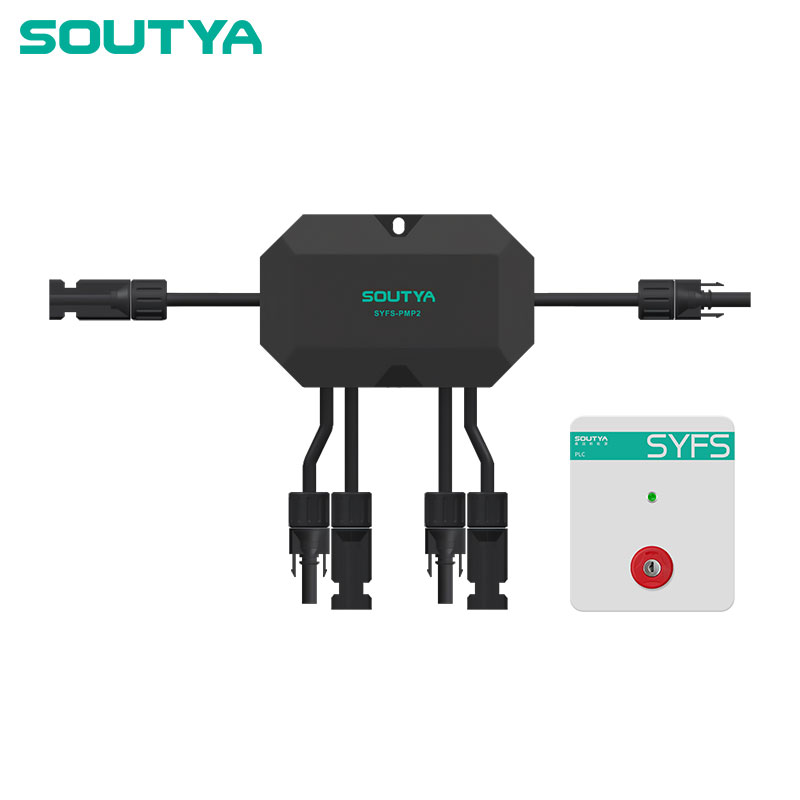
Electrical arcing caused by high-voltage PV circuits is one of the primary fire risks in solar installations. The PV Rapid Shutdown Device monitors voltage levels across modules and quickly disconnects power when unsafe conditions are detected. Our factory designs these devices to operate reliably even under extreme ambient temperatures. This rapid response ensures that the potential for arc-induced ignition is minimized, protecting rooftops, utility rooms, and equipment from fire hazards.
Our engineering team emphasizes the selection of durable materials, high-conductivity connectors, and heat-resistant housings to maintain consistent performance in high-temperature environments. These measures also extend the service life of PV Rapid Shutdown Devices, providing long-term reliability for large-scale and residential solar systems.
What Role Does Temperature Monitoring Play in Fire Risk Reduction?
High ambient temperatures can exacerbate the risk of fire by reducing the tolerance of electrical components. Our PV Rapid Shutdown Device includes integrated temperature sensors that detect heat buildup in modules or junction boxes. When temperatures exceed safe thresholds, our device automatically triggers a shutdown, preventing sustained overheating that could ignite surrounding materials.
The following table illustrates key technical specifications of our PV Rapid Shutdown Device, showing how temperature thresholds and voltage ratings align with performance requirements in high-heat conditions.
| Parameter | Specification | Application Note | Benefit |
| Maximum DC Voltage | 1000V / 1500V | Compatible with residential and commercial PV arrays | Reduces potential for electrical arcing |
| Operating Temperature Range | -40°C to 85°C | High-temperature regions | Ensures stable operation under extreme heat |
| Response Time | Less than 2 seconds | Emergency shutdown | Minimizes exposure to hazardous voltage |
| Enclosure Rating | IP65 | Outdoor installation | Protects against dust and moisture |
How Do Material Quality and Component Design Enhance Safety?
The materials and components used in PV Rapid Shutdown Devices have a direct impact on fire risk mitigation. Our factory uses flame-retardant plastics, corrosion-resistant metals, and high-quality connectors to prevent sparks and mechanical failures. Zhejiang Soutya New Energy LLC emphasizes rigorous testing for mechanical stress, thermal cycling, and UV exposure. By doing so, we ensure that our devices maintain functionality even in extreme sunlight and high ambient temperatures.
Design considerations also include the arrangement of internal circuits to avoid hotspots and ensure even thermal distribution. Our engineers perform simulations and real-world testing to verify that PV Rapid Shutdown Devices operate safely under both normal and abnormal conditions.
How Do System Integration and Installation Practices Reduce Fire Incidents?
Even the most advanced PV Rapid Shutdown Device cannot fully perform without correct integration into the solar system. Our team provides guidelines to ensure proper installation, wiring, and configuration. Correct placement of sensors, proper grounding, and adherence to manufacturer specifications significantly reduce the likelihood of fire. Zhejiang Soutya New Energy LLC collaborates with installers to provide training and technical support, helping operators optimize system performance.
Routine inspections and periodic maintenance of PV systems further enhance fire safety. Our factory recommends monitoring both environmental conditions and device health, ensuring that PV Rapid Shutdown Devices respond accurately in emergency scenarios.
What Are the Advantages of Rapid Shutdown in High-Risk Environments?
Rapid shutdown capability not only reduces fire risks but also improves compliance with local electrical codes and safety standards. Our PV Rapid Shutdown Device is certified to meet international safety requirements and is suitable for residential, commercial, and industrial installations. By limiting voltage to safe levels during emergencies, our customers experience lower insurance liabilities and increased system reliability. This feature is especially valuable in regions with high ambient temperatures where standard PV equipment may otherwise be exposed to thermal stress.
The following table compares our PV Rapid Shutdown Device with standard solar disconnect solutions, highlighting advantages relevant to high-temperature applications.
| Feature | Standard Disconnect | PV Rapid Shutdown Device | Benefit |
| Emergency Response Time | 5–10 seconds | Less than 2 seconds | Reduces exposure to hazardous voltage |
| Temperature Tolerance | 60°C | 85°C | Operates reliably in high-heat regions |
| Arc Risk | Higher | Minimized | Enhanced fire safety |
| Compliance | Partial | Full code compliance | Reduces insurance and regulatory risks |
FAQ: How Do PV Rapid Shutdown Devices Reduce Fire Risks in High-Temperature Regions?
How quickly does the device respond to unsafe voltage conditions?
Our PV Rapid Shutdown Device responds in less than two seconds, immediately reducing voltage in emergency scenarios. This rapid action prevents sustained arcing and reduces the likelihood of fire, providing enhanced safety for high-temperature regions.
Can the device operate reliably under extreme heat?
Yes, our factory designs PV Rapid Shutdown Devices with temperature-tolerant components capable of functioning up to 85°C. The combination of heat-resistant materials and rigorous testing ensures consistent performance even in prolonged high-temperature exposure.
How does integration with the PV system improve overall fire safety?
Correct integration ensures that sensors and circuits detect abnormal conditions accurately. Our engineers provide installation guidelines and training to guarantee proper placement and wiring, ensuring that the device activates appropriately when needed.
Conclusion
High-temperature regions pose increased fire risks for solar installations, but proper use of PV Rapid Shutdown Devices significantly mitigates these hazards. By controlling voltage, monitoring temperature, and integrating devices with reliable components, our factory helps customers enhance safety, extend equipment life, and comply with local electrical codes. Zhejiang Soutya New Energy LLC remains committed to providing advanced PV Rapid Shutdown Devices that deliver long-term protection and peace of mind. Contact our technical team today to discuss solutions tailored to your solar system requirements and ensure maximum fire safety.