Article Abstract
Siemens Modules are widely used in industrial automation systems to enable efficient signal processing, communication, control, and system expansion. However, many engineers and procurement managers face challenges such as module compatibility, incorrect configuration, integration complexity, and maintenance uncertainty. This article provides a structured and practical guide to understanding Siemens Modules, selecting the right types, solving common pain points, and improving system reliability. It also highlights real-world application scenarios and procurement considerations offered by Xiamen WPS, a professional supplier of automation components.
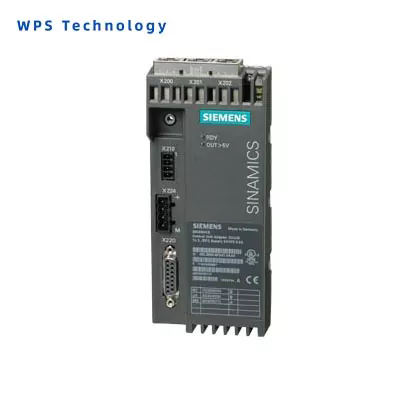
1. Understanding Siemens Modules in Automation Systems
Siemens Modules are essential components in programmable logic controller (PLC) systems and distributed automation networks. They are designed to extend functionality, allowing systems to process inputs, outputs, communication signals, and specialized industrial data. In modern manufacturing environments, Siemens Modules serve as the backbone of smart factories, enabling real-time monitoring and control.
These modules typically include digital input/output modules, analog modules, communication processors, and specialty modules for motion control or safety functions. Each module plays a specific role in ensuring seamless interaction between machinery, sensors, and control systems.
2. Common Challenges and Customer Pain Points
Despite their efficiency, users often encounter difficulties when working with Siemens Modules. These challenges can significantly impact project timelines and operational efficiency.
-
Compatibility Issues: Selecting modules that do not match PLC series or firmware versions.
-
Complex Configuration: Improper parameter settings leading to communication failures.
-
Supply Chain Delays: Long lead times for original components.
-
Installation Errors: Incorrect wiring or slot placement in PLC racks.
-
Maintenance Complexity: Difficulty diagnosing faults in distributed systems.
These issues highlight the importance of proper planning and supplier support when working with Siemens automation systems.
3. How to Select the Right Siemens Modules
Selecting Siemens Modules requires a systematic approach that considers system architecture, application requirements, and future scalability.
-
Step 1: Identify PLC Series – Confirm whether the system uses S7-1200, S7-1500, or older S7-300/400 platforms.
-
Step 2: Define Input/Output Requirements – Determine digital vs analog signals and required channel counts.
-
Step 3: Evaluate Communication Needs – Consider PROFINET, PROFIBUS, or Ethernet/IP compatibility.
-
Step 4: Consider Environmental Conditions – Temperature, vibration, and humidity resistance requirements.
-
Step 5: Plan for Expansion – Ensure spare capacity for future upgrades.
A structured selection process reduces operational risks and ensures long-term system stability.
4. Siemens Modules Types Comparison Table
|
Module Type
|
Main Function
|
Typical Application
|
Key Advantage
|
|
Digital Input Module
|
Reads ON/OFF signals
|
Sensors, switches
|
High-speed signal detection
|
|
Digital Output Module
|
Controls actuators
|
Relays, motors
|
Stable switching performance
|
|
Analog Module
|
Processes continuous signals
|
Temperature, pressure systems
|
High precision measurement
|
|
Communication Module
|
Enables data exchange
|
Networked automation
|
Seamless integration
|
|
Safety Module
|
Ensures safe operation
|
Critical industrial systems
|
Fail-safe protection
|
5. Industrial Applications of Siemens Modules
Siemens Modules are widely deployed across multiple industries due to their reliability and flexibility.
-
Manufacturing: Automated assembly lines and robotic systems
-
Energy: Power distribution and monitoring systems
-
Water Treatment: Pump control and flow monitoring
-
Food Processing: Temperature and hygiene control systems
-
Logistics: Conveyor belt automation and warehouse systems
Each industry benefits from improved efficiency, reduced downtime, and enhanced process control through modular automation systems.
6. Integration and Installation Guidelines
Proper integration of Siemens Modules ensures stable performance and reduces system failure risks.
-
Verify module compatibility before installation.
-
Ensure correct rack placement and secure mounting.
-
Follow Siemens wiring standards strictly.
-
Perform software configuration using TIA Portal.
-
Conduct post-installation diagnostics and testing.
Careful installation practices significantly reduce troubleshooting time and improve system reliability.
7. Maintenance and Troubleshooting Strategies
Regular maintenance of Siemens Modules is essential for ensuring continuous operation in industrial environments.
-
Check LED status indicators regularly.
-
Monitor communication errors in PLC diagnostics.
-
Replace faulty modules immediately to avoid downtime.
-
Update firmware for performance optimization.
-
Maintain clean and stable electrical environments.
Predictive maintenance strategies can help identify potential failures before they affect production.
8. Why Choose Xiamen WPS as Your Supplier
Xiamen WPS is a professional supplier specializing in industrial automation components, including Siemens Modules. With strong sourcing capability and technical support, the company helps global customers reduce procurement risks and improve system efficiency.
-
Stable supply chain for automation products
-
Comprehensive product compatibility support
-
Competitive pricing for bulk procurement
-
Technical consultation for system integration
-
Fast response for after-sales service
By partnering with Xiamen WPS, customers gain access to reliable automation solutions tailored for industrial-scale applications.
9. Frequently Asked Questions (FAQ)
Q1: What are Siemens Modules used for?
They are used to expand PLC functionality by handling input/output signals, communication, and specialized control tasks.
Q2: How do I choose the correct module?
You should consider PLC compatibility, signal type, communication protocols, and system scalability requirements.
Q3: Can Siemens Modules be replaced with third-party alternatives?
In some cases, compatible alternatives exist, but compatibility and reliability must be carefully verified.
Q4: What causes Siemens Module failures?
Common causes include wiring errors, overload conditions, environmental stress, and firmware mismatches.
Q5: Does Xiamen WPS provide technical support?
Yes, Xiamen WPS provides product selection assistance and integration support for industrial clients.
10. Conclusion & Contact
Siemens Modules play a critical role in modern industrial automation systems, offering flexibility, scalability, and precision control. However, proper selection, installation, and maintenance are essential to fully leverage their capabilities. By understanding system requirements and working with a reliable supplier, businesses can significantly improve operational efficiency and reduce downtime risks.
Xiamen WPS is committed to providing high-quality Siemens Modules and professional support for global industrial clients. Whether you are upgrading an existing system or building a new automation infrastructure, expert assistance is essential for success.
Contact us today to get professional guidance, competitive pricing, and reliable supply solutions for Siemens Modules from Xiamen WPS.