

How Does a Compound Switch Improve Electrical Control Systems?
2026-05-27
Abstract
A Compound Switch is a critical electrical control component designed to enhance switching efficiency, improve circuit reliability, and support complex electrical load management. In modern industrial and commercial systems, it plays a key role in ensuring safe operation, reducing manual intervention, and optimizing energy distribution. This article explores its working principles, structural composition, applications, advantages, and maintenance strategies, while also addressing common customer concerns and selection criteria.
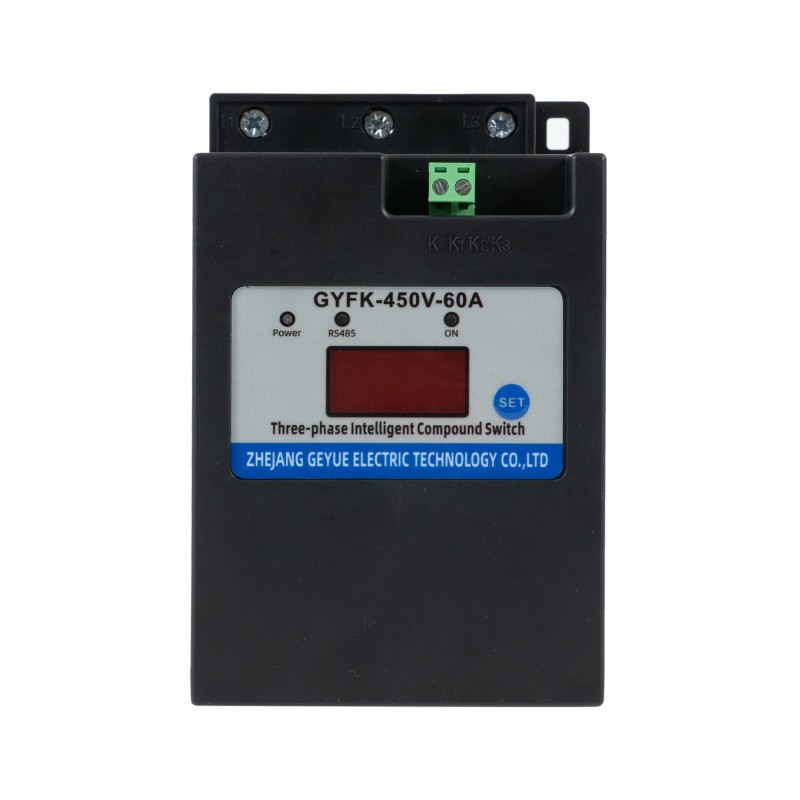
Table of Contents
- Understanding Compound Switch
- How Compound Switch Works
- Key Components
- Advantages
- Applications
- Selection Guide
- Common Issues and Troubleshooting
- Maintenance Practices
- Performance Comparison Table
- FAQ
- Conclusion
Understanding Compound Switch
A Compound Switch is an advanced electrical switching device that combines multiple switching mechanisms into a unified control system. Unlike conventional single-function switches, it is engineered to handle complex load transitions, multiple circuit paths, and synchronized control operations. In industrial environments, this allows operators to manage power distribution more precisely and efficiently.
Companies like Geyue Electric specialize in designing and manufacturing high-performance Compound Switch systems that meet stringent industrial standards. These systems are widely used in power distribution panels, automation systems, and energy management infrastructures.
How Compound Switch Works
The operation of a Compound Switch is based on coordinated mechanical and electrical switching sequences. When activated, the system engages multiple internal contacts in a predefined order, ensuring smooth transition between circuits without causing electrical spikes or interruptions.
The switching process typically involves three stages:
- Initiation Stage: Control signal triggers the switching mechanism.
- Transition Stage: Internal contacts shift load pathways.
- Stabilization Stage: New circuit configuration is stabilized for continuous operation.
This multi-stage operation significantly reduces arc formation and enhances system durability.
Key Components
A Compound Switch is composed of several integrated components that work together to ensure reliable operation:
- Main Contact System: Handles primary electrical load switching.
- Auxiliary Contacts: Provide feedback signals for monitoring systems.
- Actuator Mechanism: Drives the switching action (manual, motorized, or automatic).
- Arc Suppression Unit: Minimizes electrical arc during switching.
- Insulation Structure: Ensures safe isolation between conductive parts.
Advantages
Compound Switch systems offer multiple benefits in industrial and commercial applications:
- Improved switching reliability under high load conditions
- Reduced electrical wear and extended service life
- Enhanced operational safety through arc suppression
- Support for automated and remote control systems
- Efficient energy distribution in multi-circuit environments
These advantages make them a preferred choice in modern electrical infrastructure projects.
Applications
Compound Switches are widely used across various industries due to their versatility:
- Power distribution panels in industrial plants
- Transformer control systems
- Renewable energy integration systems (solar and wind)
- Automated manufacturing lines
- Commercial building energy management systems
At Geyue Electric, these applications are supported with customized engineering solutions tailored to specific operational requirements.
Selection Guide
Choosing the right Compound Switch requires careful evaluation of system requirements. Below is a practical selection checklist:
- Rated voltage and current capacity
- Number of switching poles required
- Environmental conditions (temperature, humidity, dust)
- Automation compatibility requirements
- Maintenance accessibility
Selecting the correct configuration ensures optimal performance and long-term system stability.
Common Issues and Troubleshooting
Although Compound Switches are designed for durability, certain issues may arise during operation:
- Contact Wear: Caused by frequent high-load switching.
- Delayed Response: Often due to actuator misalignment.
- Overheating: Result of poor ventilation or overload conditions.
- Signal Failure: Electrical feedback issues in auxiliary contacts.
Regular inspection and preventive maintenance can significantly reduce these risks.
Maintenance Practices
Proper maintenance ensures long-term reliability and performance stability:
- Periodic cleaning of contact surfaces
- Inspection of insulation integrity
- Lubrication of mechanical moving parts
- Testing of control signal responsiveness
- Thermal monitoring under load conditions
Manufacturers like Geyue Electric recommend scheduled maintenance intervals based on operational intensity.
Performance Comparison Table
| Feature | Compound Switch | Conventional Switch |
|---|---|---|
| Load Handling Capacity | High | Medium |
| Switching Efficiency | Optimized multi-stage | Single-stage |
| Arc Suppression | Advanced system | Basic or limited |
| Automation Support | Full compatibility | Limited |
| Service Life | Extended | Standard |
FAQ
What is the main purpose of a Compound Switch?
It is designed to manage multiple electrical circuits efficiently while ensuring safe and stable switching operations.
Can Compound Switches be used in automated systems?
Yes, they are fully compatible with modern automation and remote monitoring systems.
How often should maintenance be performed?
Maintenance intervals depend on usage intensity, but periodic inspection every 3–6 months is recommended.
What industries benefit most from Compound Switch systems?
Industries such as manufacturing, power distribution, renewable energy, and commercial infrastructure benefit significantly.
Why choose Geyue Electric products?
Geyue Electric provides engineered solutions with high reliability, safety standards, and customization options for diverse industrial needs.
Conclusion
The Compound Switch is an essential component in modern electrical control systems, offering enhanced efficiency, safety, and operational flexibility. Its ability to manage complex switching tasks makes it indispensable in industrial and commercial environments. With advanced engineering and reliable manufacturing support from Geyue Electric, users can achieve optimized performance and long-term stability in their electrical infrastructure.
For more detailed product information or tailored solutions, please contact us.