
How Does a Fusible Disconnect Switch Improve Electrical Safety and System Protection?
2026-06-03
Article Summary
Electrical safety is a critical concern in commercial, industrial, and utility environments. A fusible disconnect switch serves two essential functions: it provides a visible means of disconnecting electrical power and delivers overcurrent protection through integrated fuses. Choosing the right fusible disconnect switch can reduce equipment damage, minimize downtime, improve worker safety, and help facilities comply with electrical safety standards.
This guide explains how fusible disconnect switches work, their key advantages, common applications, selection criteria, maintenance requirements, and frequently asked questions. Whether you are upgrading an existing electrical system or designing a new installation, understanding these devices can help you make informed decisions and improve operational reliability.
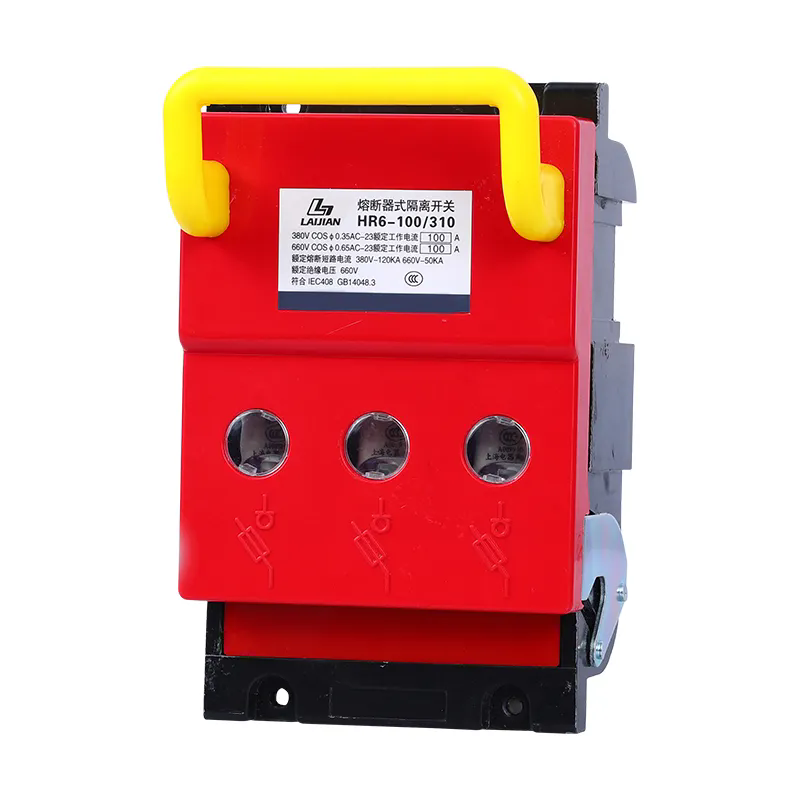
Table of Contents
- What Is a Fusible Disconnect Switch?
- How Does a Fusible Disconnect Switch Work?
- Key Benefits of Using a Fusible Disconnect Switch
- Fusible vs. Non-Fusible Disconnect Switches
- Common Industrial Applications
- How to Choose the Right Fusible Disconnect Switch
- Maintenance Best Practices
- Common Purchasing Mistakes to Avoid
- Frequently Asked Questions
- Conclusion
Outline
- Definition and Function
- Operating Mechanism
- Safety and Equipment Protection Benefits
- Comparison with Non-Fusible Models
- Industrial Applications
- Selection Considerations
- Maintenance Guidelines
- Frequently Asked Questions
What Is a Fusible Disconnect Switch?
A fusible disconnect switch is an electrical switching device designed to isolate equipment from a power source while simultaneously providing short-circuit and overcurrent protection through installed fuses.
Unlike a standard disconnect switch that only opens or closes a circuit, a fusible disconnect switch incorporates fuse holders that contain protective fuses. When excessive current flows through the circuit, the fuse melts and interrupts the current before severe damage occurs.
These switches are widely used in:
- Industrial manufacturing plants
- Commercial buildings
- Power distribution systems
- HVAC equipment
- Motor control centers
- Renewable energy installations
- Data centers
- Water treatment facilities
Their dual functionality makes them one of the most trusted protective devices in modern electrical infrastructure.
How Does a Fusible Disconnect Switch Work?
The operation of a fusible disconnect switch is straightforward yet highly effective.
- The switch connects electrical equipment to the power source.
- Current passes through the integrated fuses.
- If maintenance is required, the switch handle is moved to the OFF position, visibly isolating the circuit.
- If an overload or fault occurs, the fuse element melts.
- The circuit is interrupted before dangerous current levels damage connected equipment.
This combination of isolation and protection helps safeguard personnel and electrical assets simultaneously.
| Function | Purpose |
|---|---|
| Power Isolation | Allows safe maintenance and servicing |
| Overcurrent Protection | Prevents equipment damage from overloads |
| Short-Circuit Protection | Interrupts dangerous fault currents quickly |
| Lockout Capability | Supports workplace safety procedures |
| Visible Disconnect | Provides confirmation that power is isolated |
Key Benefits of Using a Fusible Disconnect Switch
Enhanced Personnel Safety
Worker safety remains the primary reason many facilities install fusible disconnect switches. During maintenance operations, technicians can visibly verify that power has been disconnected before servicing equipment.
Superior Equipment Protection
Electrical faults can cause catastrophic damage to motors, transformers, drives, and control systems. Properly sized fuses react rapidly to abnormal current conditions, minimizing repair costs and downtime.
Reduced Downtime
Fast fault interruption helps prevent damage from spreading throughout the electrical system. In many cases, replacing a fuse is significantly less expensive and faster than replacing damaged equipment.
Compliance with Safety Requirements
Many industrial facilities use fusible disconnect switches as part of their safety strategy to support lockout/tagout procedures and electrical isolation requirements.
High Reliability
Modern fusible disconnect switches are designed for demanding environments and can deliver dependable performance under harsh industrial conditions.
Fusible vs. Non-Fusible Disconnect Switches
| Feature | Fusible Disconnect Switch | Non-Fusible Disconnect Switch |
|---|---|---|
| Power Isolation | Yes | Yes |
| Overcurrent Protection | Yes | No |
| Short-Circuit Protection | Yes | No |
| Fuse Replacement | Required after operation | Not applicable |
| Equipment Protection | Excellent | Requires separate protection devices |
| Initial Cost | Higher | Lower |
Although non-fusible disconnect switches may have a lower initial purchase cost, fusible models often provide greater overall value by integrating protection and isolation into a single device.
Common Industrial Applications
Fusible disconnect switches are widely used across numerous industries because of their reliability and protective capabilities.
| Industry | Typical Application |
|---|---|
| Manufacturing | Motor circuits and production equipment |
| Commercial Buildings | HVAC systems and distribution panels |
| Renewable Energy | Solar combiner boxes and inverter isolation |
| Water Treatment | Pump and control systems |
| Oil & Gas | Process equipment protection |
| Data Centers | Critical power infrastructure |
In high-demand environments where uninterrupted operation is essential, these switches help reduce operational risks and improve system stability.
How to Choose the Right Fusible Disconnect Switch
Selecting the correct switch requires careful evaluation of several factors.
Current Rating
Choose a switch with a current rating that matches or exceeds the expected operating load.
Voltage Rating
Ensure compatibility with the system voltage to maintain safe operation.
Short-Circuit Current Rating
Verify that the device can safely withstand available fault current levels.
Environmental Conditions
Consider installation conditions such as:
- Dust
- Moisture
- Corrosive chemicals
- Outdoor exposure
- Extreme temperatures
Fuse Compatibility
Select fuse types that provide the required level of protection for the connected equipment.
Enclosure Type
Choose enclosure ratings suitable for indoor or outdoor installations and environmental challenges.
Maintenance Best Practices
Proper maintenance can significantly extend the service life of a fusible disconnect switch.
- Perform routine visual inspections.
- Check for signs of overheating.
- Inspect fuse holders for damage.
- Verify handle operation.
- Examine enclosure integrity.
- Tighten electrical connections when necessary.
- Replace damaged or aged fuses promptly.
- Follow manufacturer maintenance recommendations.
A proactive maintenance strategy helps ensure consistent protection and operational reliability.
Common Purchasing Mistakes to Avoid
- Selecting an undersized current rating.
- Ignoring available fault current requirements.
- Choosing incorrect fuse types.
- Overlooking environmental protection ratings.
- Prioritizing cost over reliability.
- Failing to consider future expansion needs.
- Neglecting maintenance accessibility.
Avoiding these common errors can improve system performance while reducing long-term ownership costs.
Frequently Asked Questions
Can a fusible disconnect switch replace a circuit breaker?
In certain applications, a fusible disconnect switch can provide the required protection and isolation. However, the final selection depends on system design requirements and applicable electrical standards.
How often should fuses be inspected?
Inspection frequency depends on operating conditions, load characteristics, and maintenance schedules. Regular inspections during preventive maintenance programs are recommended.
Why are visible disconnects important?
Visible disconnects allow maintenance personnel to verify that electrical power has been isolated before beginning work, reducing safety risks.
Can fusible disconnect switches be used outdoors?
Yes. Outdoor-rated enclosures are available and designed to withstand environmental exposure when properly installed.
What industries benefit most from fusible disconnect switches?
Manufacturing, utilities, renewable energy, commercial facilities, water treatment plants, transportation infrastructure, and data centers commonly use these devices.
Conclusion
A fusible disconnect switch is far more than a simple isolation device. By combining disconnect functionality with integrated overcurrent and short-circuit protection, it helps protect personnel, preserve equipment, reduce downtime, and improve overall electrical system reliability.
When selecting a fusible disconnect switch, factors such as current rating, voltage rating, environmental conditions, enclosure type, and fuse compatibility should all be carefully evaluated. Choosing the right solution can significantly enhance both safety and operational performance.
As a professional manufacturer and supplier of electrical protection and distribution equipment, Laijian provides reliable fusible disconnect switch solutions designed to meet the demanding requirements of industrial and commercial applications worldwide.
If you are looking for high-quality fusible disconnect switches, customized specifications, competitive pricing, or expert technical support, contact us today. The experienced team at Laijian is ready to help you find the ideal solution for your electrical system and project requirements.