

How Does a Gear Turbo Air Compressor Improve Industrial Efficiency?
2026-06-02
Summary
Gear Turbo Air Compressors are critical components in modern industrial operations, providing high-efficiency air supply for a wide range of applications. This article explores their working principles, benefits, maintenance tips, and factors to consider when choosing the right compressor. By understanding these aspects, businesses can optimize productivity, reduce energy costs, and ensure long-term reliability.
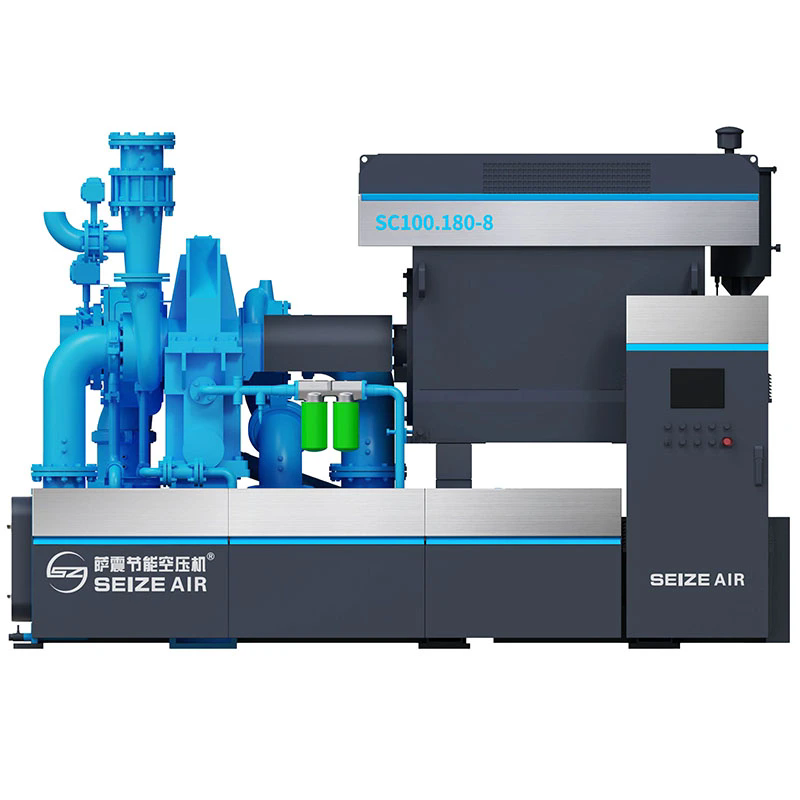
Table of Contents
- Working Principle of Gear Turbo Air Compressors
- Key Benefits for Industrial Applications
- Maintenance Tips for Longevity
- Guide to Choosing the Right Compressor
- Common Issues and Troubleshooting
- FAQ
- Contact SEIZE AIR
Working Principle of Gear Turbo Air Compressors
Gear Turbo Air Compressors operate using a precision-engineered set of interlocking gears that compress air efficiently. The gears rotate in a synchronized manner, drawing air into the compressor and forcing it into a storage tank at high pressure. Unlike traditional piston compressors, the gear mechanism ensures smoother airflow, reduced vibration, and lower maintenance requirements.
- Air Intake: Air enters through a filter to remove dust and particles.
- Compression Stage: Gears mesh to compress the air while maintaining temperature stability.
- Discharge: Compressed air exits to the storage tank or directly to the application system.
Key Benefits for Industrial Applications
| Benefit | Description |
|---|---|
| High Efficiency | Delivers consistent airflow with minimal energy consumption. |
| Low Maintenance | Fewer moving parts compared to piston compressors reduce service intervals. |
| Durability | Robust design handles continuous operation in industrial environments. |
| Quiet Operation | Gear-based compression reduces noise levels, enhancing workplace comfort. |
Maintenance Tips for Longevity
Proper maintenance ensures that your Gear Turbo Air Compressor operates at peak efficiency for years. Consider the following practices:
- Regular Oil Checks: Maintain correct lubrication to prevent gear wear.
- Filter Replacement: Clean or replace air intake filters monthly.
- Inspect Bearings: Ensure smooth gear rotation and reduce vibration.
- Monitor Temperature: Avoid overheating by checking cooling systems.
- Scheduled Professional Service: Annual inspection by certified technicians is recommended.
Guide to Choosing the Right Compressor
Selecting a Gear Turbo Air Compressor depends on your operational needs. Consider the following criteria:
- Airflow Requirement: Determine cubic feet per minute (CFM) required for your applications.
- Operating Pressure: Check PSI requirements for your machinery.
- Energy Efficiency: Evaluate energy consumption and potential cost savings.
- Space Constraints: Choose a model that fits your available footprint without compromising performance.
- Reliability: Look for reputable brands with proven industrial performance, such as SEIZE AIR.
Common Issues and Troubleshooting
Even the best compressors can encounter issues. Here are common problems and their solutions:
| Issue | Possible Cause | Solution |
|---|---|---|
| Low Air Pressure | Clogged filters or leaks in the system | Replace filters and check for leaks |
| Excessive Noise | Worn gears or loose components | Inspect gears and tighten all fasteners |
| Overheating | Poor ventilation or low oil levels | Improve cooling and maintain oil levels |
| Frequent Shutdowns | Electrical issues or safety switch activation | Check electrical connections and reset safety systems |
FAQ
-
Q: How long does a Gear Turbo Air Compressor last?
A: With proper maintenance, it can operate reliably for 15–20 years. -
Q: Is it suitable for continuous operation?
A: Yes, gear turbo compressors are designed for long-term, uninterrupted industrial use. -
Q: Can it save energy compared to piston compressors?
A: Yes, gear turbo models consume less energy due to their efficient design and smoother operation. -
Q: What industries benefit most from this compressor?
A: Manufacturing, automotive, chemical processing, and food packaging industries.
Contact SEIZE AIR
SEIZE AIR provides high-performance Gear Turbo Air Compressors designed to maximize productivity and minimize operational costs. Explore our full product line and find the perfect solution for your business. Contact us today to discuss your specific requirements and receive personalized guidance from our expert team.