

A reliable telescopic mast is essential for applications that require elevated equipment, flexible positioning, and dependable field performance. From mobile lighting systems and emergency response operations to communication equipment and outdoor industrial applications, users need lifting solutions that combine portability, stability, and operational convenience. A Hand Pump Pneumatic Light Weight Mast offers a practical solution by integrating a lightweight structural design with a manual pumping mechanism, allowing operators to extend and position the mast without depending on complex powered lifting systems. For businesses seeking adaptable mast solutions, Homall Industry Limited provides specialized telescopic mast manufacturing experience, focusing on practical engineering, product customization, and dependable manufacturing capabilities.
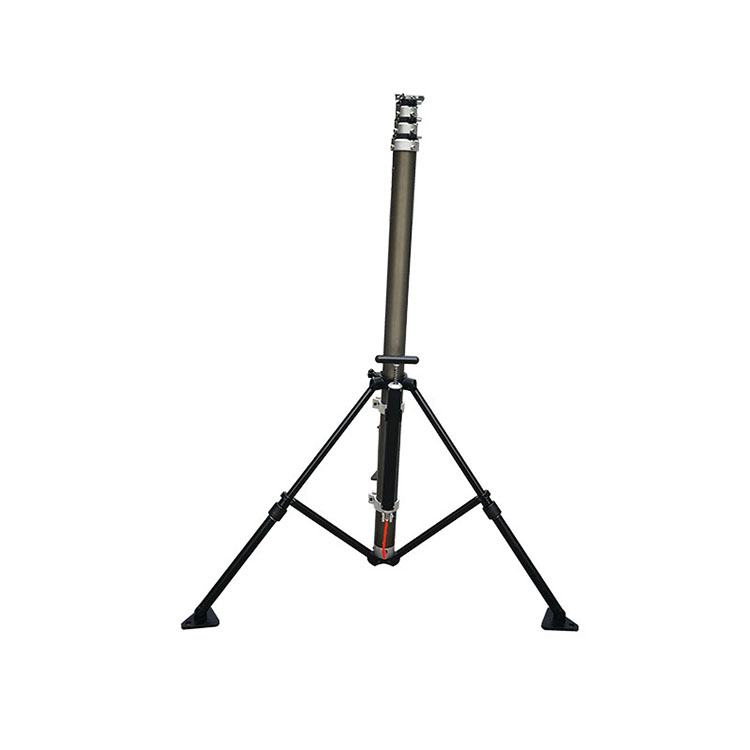
What Is a Hand Pump Pneumatic Light Weight Mast?
A Hand Pump Pneumatic Light Weight Mast is a telescopic lifting structure designed to raise equipment to a required height through a manually operated pumping system. It typically consists of multiple telescopic sections, a pneumatic lifting mechanism, a hand pump, and supporting structural components.
Unlike electrically powered lifting systems, a manual hand pump allows operators to control the extension process through physical operation. Depending on the specific design, the pumping mechanism generates the pressure required to extend the telescopic sections, providing a convenient lifting solution for locations where electrical power may be limited or unavailable.
Lightweight construction is another important characteristic. By using suitable structural materials and optimized section designs, manufacturers can reduce the overall weight while maintaining the mechanical strength required for the intended application.
Key Components and Their Functions
| Component | Main Function | Practical Benefit |
|---|---|---|
| Telescopic Sections | Provide adjustable lifting height through nested structural tubes. | Flexible equipment positioning. |
| Hand Pump | Provides manual input to the lifting mechanism. | Reduces dependence on external electrical power. |
| Pneumatic System | Uses controlled air pressure to support mast extension. | Enables controlled vertical deployment. |
| Locking Mechanism | Helps secure the mast at designated positions. | Supports operational stability. |
| Mounting Interface | Connects the mast to lighting, communication, or other equipment. | Improves application flexibility. |
Why Is a Lightweight Design Important for Field Operations?
Equipment mobility directly influences the efficiency of field operations. Traditional heavy lifting structures may require additional transportation arrangements, specialized installation equipment, or several operators. A lightweight telescopic mast helps simplify these processes and makes deployment more convenient.
1. Easier Transportation and Handling
A reduced structural weight can make transportation, loading, unloading, and positioning easier. This is particularly useful for mobile service teams, temporary workstations, emergency response units, and outdoor maintenance operations. When the mast is designed for compact transportation, it can also help optimize available vehicle space.
2. Faster Equipment Deployment
Manual pumping provides a straightforward operating method without requiring a dedicated electric lifting motor. Operators can deploy the mast according to the equipment's operating requirements, helping reduce preparation complexity in suitable field environments.
3. Greater Operational Flexibility
Portable mast structures can be integrated into different platforms and equipment configurations. Depending on the design, they may be installed on mobile trailers, service vehicles, temporary operating stations, or customized equipment bases.
4. Practical Maintenance Requirements
A manually operated lifting arrangement can reduce the number of electrical drive components required. However, regular inspection of seals, pneumatic connections, moving sections, locking devices, and structural components remains essential for dependable operation.
How Does the Hand Pump Pneumatic Lifting System Work?
The working principle combines manual operation with pneumatic lifting technology. Although the exact mechanism depends on the product configuration, the general operating process can be divided into several stages.
- Initial Positioning: The mast is installed on a suitable mounting base and checked to ensure that the supporting structure is stable.
- System Inspection: Operators check the pumping mechanism, pneumatic connections, locking components, and equipment attachments before operation.
- Manual Pumping: The operator activates the hand pump to provide the required input for the pneumatic lifting system.
- Telescopic Extension: The mast sections extend progressively to reach the required working height.
- Position Securing: The mast is secured according to its specified operating procedure before the attached equipment is used.
- Controlled Retraction: After operation, the mast is lowered following the manufacturer's recommended release and retraction procedure.
Correct operation is important for maintaining equipment performance. Operators should always observe the rated payload, maximum extension height, wind limitations, and installation requirements specified for the particular model.
Where Can a Hand Pump Pneumatic Light Weight Mast Be Used?
The combination of portability, adjustable height, and manual operation makes this type of mast suitable for various industrial and outdoor applications. The actual equipment compatibility depends on load capacity, mounting design, operating height, and environmental conditions.
Mobile Lighting Systems
Temporary lighting is important for nighttime construction, road maintenance, outdoor events, and emergency operations. A lightweight telescopic mast can provide an elevated mounting position for compatible lighting fixtures, helping distribute illumination over a wider working area.
Emergency Response and Rescue Operations
Emergency teams often work in locations where infrastructure and electrical resources are limited. A manually operated mast can provide a practical mounting solution for compatible lighting or observation equipment, supporting temporary operational arrangements.
Communication and Signal Equipment
Wireless communication devices, antennas, and signal equipment may require elevated installation positions to improve coverage or transmission conditions. A telescopic mast offers adjustable mounting height and can be configured for different communication requirements.
Industrial and Outdoor Monitoring
Industrial inspection, temporary surveillance, and outdoor monitoring projects may benefit from portable equipment supports. A properly configured mast can position cameras, sensors, and other compatible devices at the required height.
What Should Buyers Consider When Selecting a Lightweight Pneumatic Mast?
Choosing a suitable mast involves more than comparing its overall weight or maximum extension height. B2B buyers should evaluate the complete technical configuration to ensure that the product matches the intended working environment.
| Selection Factor | What to Evaluate | Why It Matters |
|---|---|---|
| Extended Height | Maximum working height and required extension range. | Ensures the mast meets application requirements. |
| Payload Capacity | Equipment weight and mounting load. | Prevents operation beyond rated capacity. |
| Retracted Length | Overall dimensions when fully collapsed. | Facilitates storage and transportation. |
| Structural Material | Material strength, corrosion resistance, and weight. | Influences durability and portability. |
| Operating Mechanism | Pump design, pneumatic configuration, and control method. | Determines lifting convenience and maintenance needs. |
| Environmental Adaptability | Wind conditions, temperature, moisture, and outdoor exposure. | Supports reliable application-specific performance. |
| Customization | Mounting interfaces, dimensions, and installation requirements. | Improves compatibility with existing equipment. |
Hand Pump Pneumatic Mast vs. Electrically Powered Telescopic Mast
Both manual and electrically powered telescopic masts provide vertical lifting capabilities, but their operating methods and application priorities are different. Understanding these differences helps buyers identify the most appropriate solution.
| Comparison | Hand Pump Pneumatic Mast | Electric Telescopic Mast |
|---|---|---|
| Operation | Manual pumping | Electric drive system |
| Power Requirements | Manual input, with pneumatic configuration requirements depending on design | Electrical power supply |
| Control | Operator-controlled pumping | Electric control system |
| System Complexity | Can offer a simpler operating arrangement | Requires electrical drive and control components |
| Typical Priority | Portability and manual deployment | Convenient powered operation |
A hand pump pneumatic model may be appropriate when manual operation and reduced dependence on electrical power are important. An electric model may be preferable for frequent deployment or applications requiring powered operation. The final decision should be based on operating frequency, payload, site conditions, and maintenance expectations.
Why Choose Homall Industry Limited for Telescopic Mast Solutions?
Finding a reliable telescopic mast manufacturer is an important step for equipment distributors, system integrators, and industrial buyers. Beyond the product itself, manufacturing experience, engineering capabilities, product consistency, and communication efficiency all influence the success of a purchasing project.
Homall Industry Limited specializes in the research, development, and manufacturing of telescopic mast-related products and supporting equipment. With approximately 20 years of industry experience, the company has developed expertise in telescopic mast structures and related applications.
Its product range includes telescopic masts, lighting towers, lattice towers, and leveling jacks, serving different equipment integration and industrial application requirements.
Manufacturing Experience and Product Development
Years of involvement in the mast industry provide a foundation for understanding structural design, mechanical performance, and practical installation requirements. Homall Industry Limited focuses on developing products that address different customer application needs rather than relying on a single standard configuration.
Flexible Product Solutions
Different projects require different mast heights, structural dimensions, load capacities, and mounting interfaces. Homall can communicate with customers about project specifications and explore suitable product configurations according to their technical requirements.
Multiple Industrial Product Categories
In addition to telescopic masts, the company's product portfolio includes lighting towers, lattice towers, and leveling jacks. This broader product experience helps it serve customers involved in mobile equipment, outdoor operations, and specialized industrial projects.
Focus on Practical Application Requirements
Product selection should always consider the complete application environment. Homall Industry Limited works with customers to understand equipment compatibility, installation conditions, and operational expectations, helping identify suitable mast solutions for different projects.
How Can Buyers Ensure Long-Term Mast Performance?
Proper maintenance is essential for protecting equipment performance and extending its service life. Even a well-designed lightweight mast requires routine inspection, especially when used in outdoor or demanding industrial environments.
- Inspect telescopic sections: Check for deformation, scratches, corrosion, and foreign materials that may interfere with movement.
- Check the pneumatic system: Examine connections, seals, and pressure-related components for potential leakage or damage.
- Maintain the hand pump: Follow the manufacturer's instructions for inspection, cleaning, and maintenance.
- Verify locking devices: Ensure that all required locking components function correctly before operation.
- Observe load limitations: Never exceed the specified payload or maximum operating height.
- Follow environmental restrictions: Consider wind speed, ground conditions, and weather exposure when deploying the mast outdoors.
Regular maintenance, correct installation, and operation within the manufacturer's specifications help improve operational reliability and reduce unnecessary equipment downtime.
Frequently Asked Questions About Hand Pump Pneumatic Light Weight Masts
1. What is the main advantage of a hand pump pneumatic lightweight mast?
Its main advantage is the combination of a portable structural design and manual lifting operation. It can be useful in applications where convenient transportation and reduced dependence on electrical lifting equipment are important.
2. Can a hand pump pneumatic mast support lighting equipment?
Yes, provided that the mast's rated payload, mounting interface, extension height, and stability requirements are compatible with the lighting equipment.
3. Is a lightweight telescopic mast suitable for outdoor applications?
It can be suitable for outdoor applications when its materials, structural design, corrosion protection, anchoring arrangement, and wind limitations meet the relevant environmental requirements.
4. Can the mast be customized?
Customization may include extended height, collapsed dimensions, mounting interfaces, structural materials, and other technical configurations. Buyers should provide their application details to confirm feasibility.
5. How do I choose the right telescopic mast manufacturer?
Consider the manufacturer's industry experience, product portfolio, engineering capabilities, quality management, customization support, and ability to understand your specific project requirements.
Conclusion: A Practical Lifting Solution for Mobile and Industrial Applications
A Hand Pump Pneumatic Light Weight Mast combines manual operation, telescopic adjustment, and portable structural design to address the lifting requirements of various field applications. From mobile lighting and emergency response to communication and industrial monitoring, the right mast configuration can improve equipment positioning, transportation convenience, and deployment flexibility.
For B2B buyers, selecting the right manufacturer is just as important as choosing the right technical specifications. With approximately 20 years of industry experience and a diverse portfolio of telescopic masts, lighting towers, lattice towers, and leveling jacks, Homall Industry Limited is committed to providing practical solutions for different industrial applications.
Looking for a reliable telescopic mast solution for your next project? Contact Homall Industry Limited to discuss your required lifting height, payload capacity, structural configuration, and customization needs. Contact us today to explore suitable mast solutions and find the right product for your application.