Article Summary
Reliable power systems require accurate testing before they are placed into operation or returned to service. However, traditional testing methods often face limitations when dealing with high-capacity electrical systems, especially in environments where space, heat dissipation, and operational efficiency are critical concerns. A Liquid Cooled Load Bank provides an advanced solution by using liquid cooling technology to manage heat generated during load testing while delivering precise and stable performance verification.
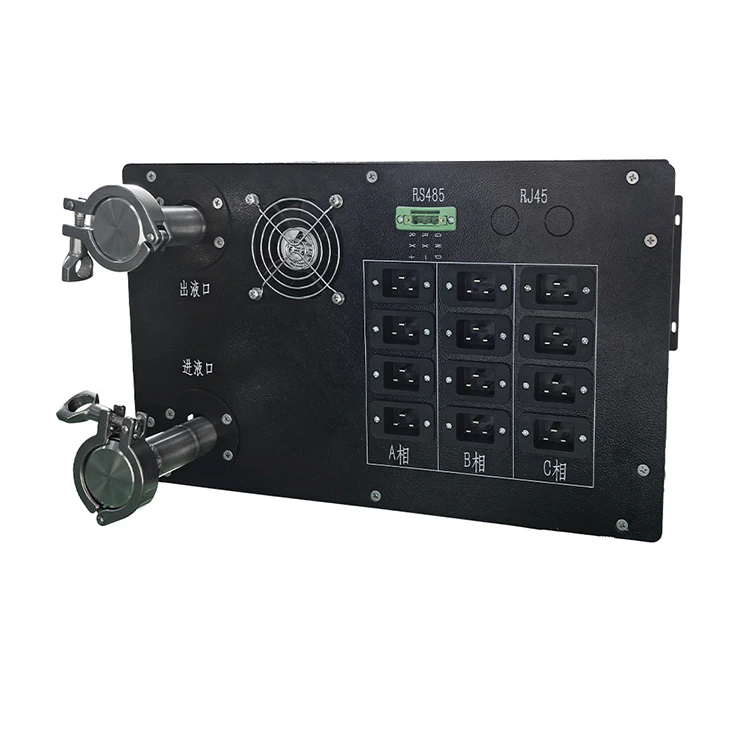
This article explains how Liquid Cooled Load Banks work, why they are becoming essential for modern power testing applications, and how they help businesses overcome common challenges such as thermal management, equipment reliability, testing accuracy, and operational costs. With professional manufacturing experience, RST provides advanced liquid cooling load testing solutions designed to support demanding industrial applications worldwide.
Article Outline
-
Understanding the role of load banks in power system reliability
-
Exploring the working principles of liquid cooling technology
-
Analyzing key benefits for industrial users
-
Reviewing major application industries
-
Providing guidance for equipment selection and maintenance
-
Answering common questions from buyers and engineers
Why Is Load Testing Important for Modern Power Systems?
Power infrastructure has become increasingly complex. Data centers, marine facilities, renewable energy systems, industrial plants, and emergency power installations all depend on stable electricity supply. A backup generator or power source may appear functional during normal operation, but without proper testing, hidden problems can remain undetected until a critical failure occurs.
Load testing simulates real operating conditions by applying controlled electrical loads to power equipment. This process helps engineers evaluate generator capacity, battery performance, transformer efficiency, and overall system stability.
However, as electrical systems become more powerful, traditional air-cooled load banks may struggle with heat management. Large amounts of energy converted into heat require effective cooling solutions, particularly in compact environments or high-power applications.
A Liquid Cooled Load Bank addresses these challenges by using liquid as a heat transfer medium. This allows higher power density, improved thermal control, and more efficient operation compared with conventional solutions.
How Does a Liquid Cooled Load Bank Work?
A Liquid Cooled Load Bank is designed to absorb electrical energy from a power source and convert it into heat, which is then removed through a liquid cooling system. The controlled loading process allows engineers to test equipment performance under realistic conditions.
The main operating process includes several important stages:
-
Power connection: The load bank is connected to the electrical source requiring evaluation.
-
Load application: The system applies predetermined electrical loads to simulate operational demand.
-
Heat generation: Electrical energy is converted into thermal energy during the testing process.
-
Liquid cooling circulation: Cooling liquid absorbs heat and transfers it away from internal components.
-
Temperature management: Sensors and control systems maintain safe operating temperatures.
This technology enables engineers to perform high-capacity testing while maintaining equipment protection and operational stability.
What Advantages Does a Liquid Cooled Load Bank Provide?
Businesses selecting power testing equipment usually focus on reliability, efficiency, safety, and long-term operating costs. Liquid Cooled Load Banks offer several advantages that make them suitable for demanding environments.
|
Key Advantage
|
Customer Benefit
|
|
Superior Heat Management
|
Maintains stable operation during high-power testing and prevents overheating risks.
|
|
High Power Density
|
Supports powerful testing requirements while reducing equipment footprint.
|
|
Improved Testing Accuracy
|
Provides consistent load application for more reliable performance evaluation.
|
|
Space Efficiency
|
Suitable for locations where installation space is limited.
|
|
Enhanced Equipment Protection
|
Helps identify potential issues before systems experience unexpected failures.
|
For industries operating critical power systems, these advantages can significantly reduce downtime risks and improve overall operational confidence.
Where Are Liquid Cooled Load Banks Commonly Used?
Liquid Cooled Load Banks are widely applied in industries where electrical reliability is essential. Their ability to handle high-power testing makes them suitable for demanding environments.
-
Data Centers: Data centers require continuous power availability. Load testing helps verify backup generators and UPS systems before emergencies occur.
-
Marine and Offshore Applications: Ships and offshore platforms depend on reliable electrical systems. Liquid cooling technology supports testing in environments with limited space.
-
Power Generation Facilities: Energy providers use load banks to validate generator output and system performance.
-
Renewable Energy Projects: Solar and wind power installations require accurate testing to ensure stable integration with electrical networks.
-
Industrial Manufacturing: Factories use load testing to protect production operations from unexpected power interruptions.
How Can You Choose the Right Liquid Cooled Load Bank?
Selecting the correct load bank requires careful consideration of technical requirements and operating conditions. Purchasing decisions should focus not only on rated capacity but also on system compatibility and future needs.
Important factors include:
-
Power Rating: Confirm that the load bank can handle the required voltage, current, and capacity.
-
Cooling System Design: Evaluate cooling performance according to installation conditions.
-
Control Features: Advanced monitoring and control functions improve testing efficiency.
-
Safety Protection: Ensure the equipment includes temperature monitoring and protective mechanisms.
-
Customization Capability: Different industries may require specific designs and configurations.
Working with an experienced manufacturer helps customers receive solutions that match their specific operational requirements. RST focuses on developing reliable Liquid Cooled Load Bank solutions with professional engineering support and customized options.
What Maintenance Practices Ensure Long-Term Performance?
Regular maintenance is essential for keeping a Liquid Cooled Load Bank operating efficiently throughout its service life. Proper inspection can prevent performance degradation and improve testing reliability.
-
Inspect cooling liquid levels and quality regularly.
-
Check connection points for signs of wear or corrosion.
-
Verify temperature monitoring systems are functioning correctly.
-
Clean internal and external components according to manufacturer recommendations.
-
Perform scheduled performance tests to confirm accurate operation.
A proactive maintenance strategy helps protect the investment and ensures the equipment remains ready whenever testing is required.
Frequently Asked Questions About Liquid Cooled Load Banks
1. What is a Liquid Cooled Load Bank?
A Liquid Cooled Load Bank is a testing device that applies controlled electrical loads to power systems while using liquid cooling technology to remove generated heat. It is designed for high-power applications requiring efficient thermal management.
2. Why choose liquid cooling instead of air cooling?
Liquid cooling provides better heat transfer efficiency and allows higher power testing capability in smaller spaces. It is especially beneficial for industrial environments where traditional cooling methods may be insufficient.
3. Which industries need Liquid Cooled Load Banks?
Industries including data centers, marine engineering, power generation, renewable energy, and manufacturing facilities commonly use Liquid Cooled Load Banks to verify system reliability.
4. Can a Liquid Cooled Load Bank be customized?
Yes. Professional manufacturers can customize capacity, voltage requirements, control systems, and installation configurations according to project specifications.
5. How does RST support customers?
RST provides professional Liquid Cooled Load Bank solutions with engineering expertise, reliable manufacturing processes, and technical support to help customers achieve accurate and safe power system testing.
Conclusion
As power systems continue to become more advanced, accurate testing is essential for preventing failures and improving operational reliability. A Liquid Cooled Load Bank offers an efficient approach for high-capacity testing by combining precise load control with advanced thermal management.
From data centers and energy facilities to marine and industrial applications, this technology helps organizations verify system performance before critical operations begin. RST delivers dependable Liquid Cooled Load Bank solutions designed to meet the changing demands of modern power testing environments.
If you need a professional liquid cooling load testing solution customized for your application, contact RST today. Our experienced team is ready to provide reliable products, technical guidance, and complete support. Please contact us to discuss your project requirements and find the right solution.