

How Does a Low Voltage Knife Switch Improve Electrical Safety and Efficiency?
2026-05-25
Low voltage knife switches play a critical role in electrical distribution systems by providing reliable manual isolation, operational safety, and efficient circuit control. Whether used in industrial plants, power distribution cabinets, workshops, or commercial facilities, these switches remain an essential component for safe electrical operation. This article explains how low voltage knife switches work, their advantages, applications, installation considerations, and how businesses can select the right model for long-term performance.
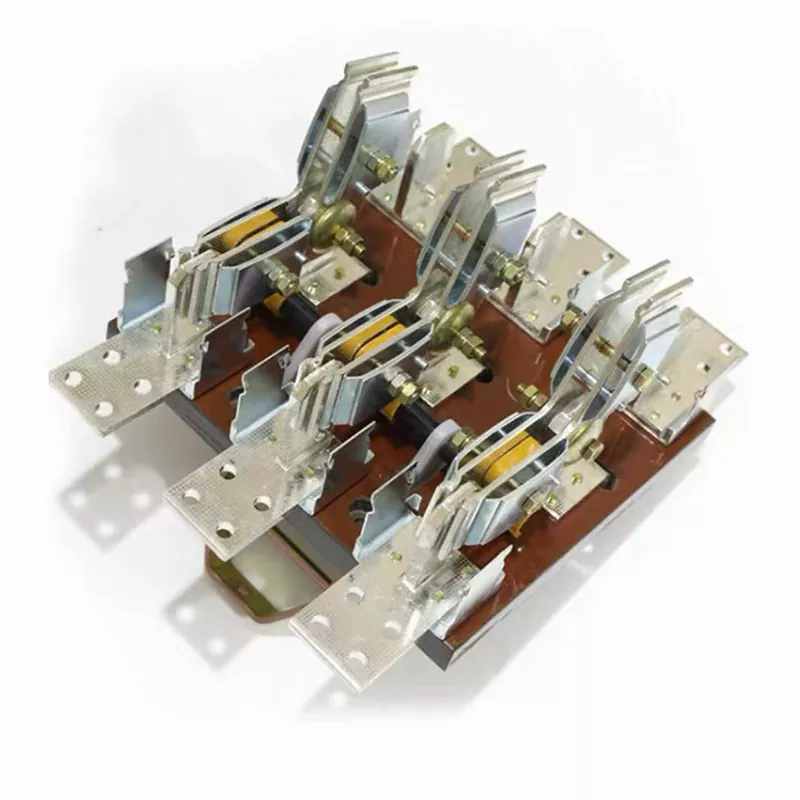
Table of Contents
- 1. What Is a Low Voltage Knife Switch?
- 2. How Does a Low Voltage Knife Switch Work?
- 3. Main Advantages of Low Voltage Knife Switches
- 4. Common Industrial Applications
- 5. How to Choose the Right Knife Switch
- 6. Knife Switch vs Other Disconnect Switches
- 7. Maintenance and Safety Tips
- 8. Frequently Asked Questions
- 9. Conclusion
What Is a Low Voltage Knife Switch?
A low voltage knife switch is a manual electrical disconnect device designed to open or close electrical circuits safely. It typically operates within low voltage systems and is widely used for switching, isolation, and emergency disconnection purposes.
The switch consists of conductive metal blades, often referred to as “knives,” which connect to fixed contacts. When the operator moves the handle, the blades either engage or disengage from the contacts, allowing or interrupting current flow.
Unlike automatic breakers, knife switches provide a clearly visible disconnection point, which significantly improves operational safety during maintenance and inspection procedures.
- Visible isolation gap
- Simple mechanical structure
- High conductivity performance
- Manual operation reliability
- Long service life
- Easy maintenance
How Does a Low Voltage Knife Switch Work?
The operating principle of a low voltage knife switch is straightforward yet highly effective. When the switch handle moves into the ON position, the conductive blade inserts firmly into the stationary contact, completing the electrical circuit and allowing current to flow.
When the handle moves to the OFF position, the blade separates completely from the contact, interrupting the current flow and isolating the equipment from the power source.
This visible disconnect mechanism provides technicians with direct confirmation that the circuit has been isolated, which is especially important in industrial environments where electrical safety is critical.
| Component | Function |
|---|---|
| Blade Contact | Conducts electrical current |
| Handle Mechanism | Controls opening and closing operation |
| Insulating Base | Provides electrical insulation and structural support |
| Terminal Connectors | Connects incoming and outgoing conductors |
Main Advantages of Low Voltage Knife Switches
Many industrial operators continue using knife switches because of their durability, operational simplicity, and cost-effectiveness. Below are the major advantages.
Enhanced Safety
The visible break design allows operators to confirm complete isolation before maintenance begins.
Simple Structure
Fewer moving parts reduce mechanical failure rates and simplify servicing requirements.
Reliable Performance
Knife switches can withstand demanding industrial operating conditions for extended periods.
Cost Efficiency
Their straightforward design lowers manufacturing and maintenance costs compared to complex switching systems.
Common Industrial Applications
Low voltage knife switches are widely used across multiple industries where reliable manual isolation is required.
- Industrial manufacturing plants
- Electrical distribution panels
- Transformer substations
- Motor control systems
- Commercial buildings
- Renewable energy systems
- Power maintenance workshops
- Mining and heavy equipment facilities
In industrial environments, operators often use knife switches during equipment servicing to isolate power safely before maintenance procedures begin.
For example, in motor control systems, a knife switch can disconnect machinery quickly during emergency shutdown situations, helping reduce equipment damage and workplace hazards.
How to Choose the Right Knife Switch
Selecting the correct low voltage knife switch is essential for operational reliability and safety compliance. Buyers should evaluate several important technical factors before purchasing.
| Selection Factor | Importance |
|---|---|
| Rated Voltage | Must match system voltage requirements |
| Current Capacity | Determines safe operating current |
| Pole Configuration | Single-pole, double-pole, or three-pole options |
| Environmental Conditions | Humidity, dust, and temperature resistance |
| Installation Method | Panel-mounted or standalone installation |
Reliable manufacturers such as Junray Electrical provide various low voltage knife switch models suitable for industrial distribution systems and customized electrical applications.
You can learn more about available specifications and product options here: Low Voltage Knife Switch Product Page
Knife Switch vs Other Disconnect Switches
Although modern electrical systems use several types of disconnect devices, knife switches continue to offer unique operational benefits.
| Feature | Knife Switch | Circuit Breaker |
|---|---|---|
| Visible Isolation | Yes | Limited |
| Manual Operation | Simple | Complex |
| Maintenance | Easy | Moderate |
| Cost | Lower | Higher |
Maintenance and Safety Tips
Proper maintenance improves switch lifespan and operational reliability. Even though knife switches are mechanically simple, regular inspections remain essential.
- Inspect contacts regularly for overheating or corrosion
- Keep insulating surfaces clean and dry
- Check terminal tightness periodically
- Avoid operating under excessive load conditions
- Replace worn blades immediately
- Ensure qualified personnel perform installation and maintenance
Following these precautions helps reduce unexpected downtime and extends equipment service life.
Frequently Asked Questions
1. What is the main purpose of a low voltage knife switch?
Its primary purpose is to manually connect or disconnect electrical circuits safely for isolation and maintenance operations.
2. Are knife switches still used in modern electrical systems?
Yes. Many industrial and commercial facilities continue using them because of their reliability, visibility, and simple operation.
3. Can knife switches provide overload protection?
Standard knife switches mainly provide isolation functions. Additional protective devices such as fuses or breakers are often required for overload protection.
4. What materials are commonly used in knife switches?
Copper, brass, steel, and insulated ceramic or polymer bases are commonly used to ensure conductivity and durability.
5. How long does a low voltage knife switch last?
With proper maintenance and suitable operating conditions, high-quality knife switches can provide many years of reliable service.
Conclusion
Low voltage knife switches remain an important solution for safe circuit isolation and dependable electrical control across industrial and commercial environments. Their visible disconnect design, durable construction, and operational simplicity make them a practical choice for many power distribution applications.
As electrical systems continue evolving, reliable manual disconnect equipment remains essential for maintenance safety and operational stability. Choosing a trusted supplier is equally important for ensuring long-term performance and compliance.
Looking for reliable low voltage knife switch solutions for your project?
Junray Electrical provides professional electrical products designed for industrial performance, safety, and long-term reliability. Whether you need standard models or customized configurations, our experienced team is ready to support your requirements.
Contact us today to get expert assistance and competitive solutions for your electrical distribution needs.