

How Does a Nitrogen Generator Help Industries Achieve Reliable On-Site Gas Supply?
2026-07-15
Article Summary
A nitrogen generator has become an essential solution for industries that require a stable, high-purity nitrogen supply. Instead of depending on traditional nitrogen cylinder delivery or liquid nitrogen storage, businesses can produce nitrogen directly at their facilities. This article explains how nitrogen generators work, why companies choose on-site nitrogen generation, how they solve common industrial challenges, and what factors should be considered when selecting the right system. With advanced technology and customized solutions, Elily provides reliable nitrogen generator systems designed to improve efficiency, reduce operating costs, and support various industrial applications.
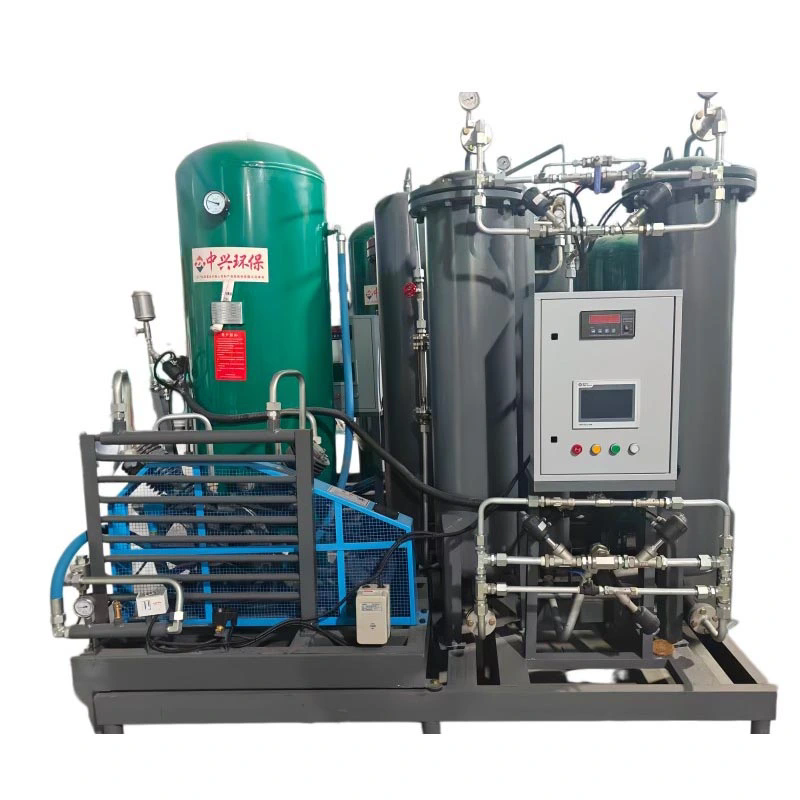
Table of Contents
- 1. Introduction: Why Nitrogen Supply Has Become a Major Industrial Challenge
- 2. How Does a Nitrogen Generator Work?
- 3. What Advantages Can a Nitrogen Generator Bring to Businesses?
- 4. Where Are Nitrogen Generators Widely Used?
- 5. How to Choose the Right Nitrogen Generator for Your Application?
- 6. Nitrogen Generator vs Traditional Nitrogen Supply Methods
- 7. How Can Companies Maintain Nitrogen Generator Performance?
- 8. Why Choose Elily Nitrogen Generator Solutions?
- 9. Frequently Asked Questions About Nitrogen Generators
1. Introduction: Why Nitrogen Supply Has Become a Major Industrial Challenge
Nitrogen is one of the most widely used industrial gases because of its stable chemical properties, non-flammability, and ability to prevent oxidation. It plays an important role in manufacturing, food processing, electronics production, chemical industries, pharmaceuticals, and energy sectors.
However, many companies still rely on external nitrogen suppliers, which can create several operational difficulties. Transportation delays, increasing gas costs, storage limitations, and supply interruptions may affect production efficiency and business continuity.
A nitrogen generator provides an alternative approach by allowing companies to produce nitrogen directly from compressed air. This on-site production method gives users better control over gas availability, purity levels, and operating expenses.
For industries with continuous nitrogen requirements, investing in a reliable nitrogen generator is not only a cost-saving decision but also a strategic improvement for production stability.
2. How Does a Nitrogen Generator Work?
A nitrogen generator separates nitrogen molecules from compressed air and delivers purified nitrogen according to specific industrial requirements. Since air contains approximately 78% nitrogen, 21% oxygen, and small amounts of other gases, advanced separation technology can isolate nitrogen efficiently.
Most nitrogen generators use Pressure Swing Adsorption (PSA) technology or membrane separation technology. These systems are designed to provide continuous nitrogen production without depending on external gas deliveries.
| Nitrogen Generation Technology | Working Principle | Main Characteristics |
|---|---|---|
| PSA Nitrogen Generator | Uses molecular sieves to selectively absorb oxygen molecules from compressed air. | High purity nitrogen production, stable operation, suitable for many industrial applications. |
| Membrane Nitrogen Generator | Separates gases according to different permeation speeds through membrane fibers. | Compact design, fast startup, suitable for applications requiring moderate purity. |
The general operating process includes air compression, filtration, separation, nitrogen purification, and storage. Through precise system control, users can obtain nitrogen with the required purity level for different applications.
3. What Advantages Can a Nitrogen Generator Bring to Businesses?
Many industrial users choose nitrogen generators because they solve common problems associated with traditional nitrogen supply methods.
- Continuous Nitrogen Availability: Companies can produce nitrogen whenever needed without waiting for cylinder replacement or liquid nitrogen delivery.
- Lower Operating Costs: On-site generation reduces transportation fees, rental charges, and long-term gas supply expenses.
- Improved Production Efficiency: Stable nitrogen supply helps prevent production delays caused by gas shortages.
- Flexible Purity Control: Users can select nitrogen purity levels according to different application requirements.
- Space Saving: Modern nitrogen generators require less storage space compared with large quantities of gas cylinders.
- Environmental Benefits: Reduced transportation requirements help decrease energy consumption and carbon emissions.
| Common Customer Challenge | Nitrogen Generator Solution |
|---|---|
| High cost of delivered nitrogen | Produces nitrogen directly at the factory site. |
| Risk of supply interruption | Provides continuous and independent nitrogen production. |
| Limited storage area | Reduces dependence on nitrogen cylinders and tanks. |
| Different purity requirements | Allows customized nitrogen output settings. |
4. Where Are Nitrogen Generators Widely Used?
Nitrogen generators support many industries because nitrogen plays different roles in protecting products, improving safety, and enhancing manufacturing processes.
- Food Packaging Industry: Nitrogen is used for modified atmosphere packaging to extend product freshness and reduce oxidation.
- Electronics Manufacturing: High-purity nitrogen helps protect sensitive components during soldering and assembly processes.
- Chemical Industry: Nitrogen provides inert protection for chemical storage and processing.
- Pharmaceutical Manufacturing: Nitrogen helps maintain controlled environments and product quality.
- Metal Processing: Nitrogen is used for heat treatment, laser cutting, and preventing oxidation.
- Oil and Gas Industry: Nitrogen supports pipeline testing, pressure control, and equipment protection.
Different industries have different requirements for nitrogen purity, flow rate, and operating conditions. Therefore, selecting a customized nitrogen generator system is important for achieving the best performance.
5. How to Choose the Right Nitrogen Generator for Your Application?
Choosing the correct nitrogen generator requires careful consideration of several technical factors. An unsuitable system may result in insufficient gas supply, unnecessary energy consumption, or unstable operation.
| Selection Factor | Why It Matters |
|---|---|
| Nitrogen Purity | Different industries require different purity levels, from general industrial use to high-purity applications. |
| Flow Capacity | The generator should match the company's actual nitrogen consumption. |
| Operating Pressure | Proper pressure ensures compatibility with existing production equipment. |
| Energy Efficiency | Efficient systems reduce long-term operating expenses. |
| Maintenance Requirements | Easy maintenance improves equipment reliability and service life. |
Before purchasing a nitrogen generator, companies should analyze their current nitrogen demand, future production plans, and working environment. Professional suppliers can help design a suitable system based on specific requirements.
6. Nitrogen Generator vs Traditional Nitrogen Supply Methods
| Comparison Item | Nitrogen Generator | Nitrogen Cylinders/Liquid Nitrogen |
|---|---|---|
| Supply Method | Produced directly on-site | Delivered from external suppliers |
| Long-Term Cost | Lower operating expenses | Higher transportation and storage costs |
| Supply Stability | Continuous production capability | Depends on delivery schedules |
| Storage Requirement | Minimal storage needs | Requires cylinder or tank storage space |
| Customization | Can be designed according to demand | Limited flexibility |
7. How Can Companies Maintain Nitrogen Generator Performance?
Proper maintenance helps extend equipment lifespan and ensures stable nitrogen quality. Companies should establish regular inspection and maintenance procedures.
- Regularly check air filters and replace them when necessary.
- Monitor nitrogen purity and output pressure.
- Inspect valves, pipelines, and connection points.
- Keep the compressed air system clean and stable.
- Follow manufacturer maintenance recommendations.
A well-maintained nitrogen generator can provide reliable performance for many years while reducing unexpected downtime.
8. Why Choose Elily Nitrogen Generator Solutions?
Elily focuses on providing professional gas generation solutions designed to meet the needs of modern industries. With advanced manufacturing technology and industry experience, Elily develops nitrogen generator systems that emphasize reliability, efficiency, and practical application value.
The company understands that every customer has different requirements regarding nitrogen purity, production capacity, installation conditions, and operating environment. Therefore, Elily provides customized solutions to help businesses achieve stable nitrogen supply while improving production efficiency.
From system design and equipment manufacturing to technical support, Elily is committed to delivering dependable nitrogen generation solutions for customers worldwide.
9. Frequently Asked Questions About Nitrogen Generators
Q1: What is the main purpose of a nitrogen generator?
A nitrogen generator produces nitrogen gas from compressed air for industrial applications that require a stable and reliable nitrogen supply.
Q2: How long can a nitrogen generator operate?
With proper installation and regular maintenance, a high-quality nitrogen generator can provide long-term continuous operation.
Q3: Is a nitrogen generator suitable for small factories?
Yes. Nitrogen generators can be customized with different capacities, making them suitable for both small businesses and large industrial facilities.
Q4: What purity level can a nitrogen generator provide?
The nitrogen purity depends on the selected technology and system design. Different models can meet various industrial requirements.
Q5: Why is on-site nitrogen generation better than purchasing nitrogen gas?
On-site generation provides better supply control, reduces transportation dependence, and helps companies manage long-term operating costs.
Conclusion
A nitrogen generator provides industries with a practical solution for achieving reliable, cost-effective, and continuous nitrogen supply. By eliminating many limitations of traditional gas delivery methods, on-site nitrogen generation helps businesses improve operational efficiency and production stability.
With professional technology, customized designs, and dependable service, Elily continues to support customers looking for efficient nitrogen generation solutions. If you need a reliable nitrogen generator system tailored to your industrial requirements, please contact us today to discuss your project needs and find the right solution.