

Abstract
A Resistive Load Bank is a critical testing instrument used to simulate electrical loads and validate the performance, stability, and capacity of power systems. From data centers and power plants to marine and aerospace applications, it ensures that generators and backup systems operate reliably under real-world conditions. This article explains how resistive load banks work, their key applications, selection criteria, and best practices for safe and effective usage. It also highlights how industries can reduce operational risk and improve system readiness through structured load testing solutions provided by RST Electric.
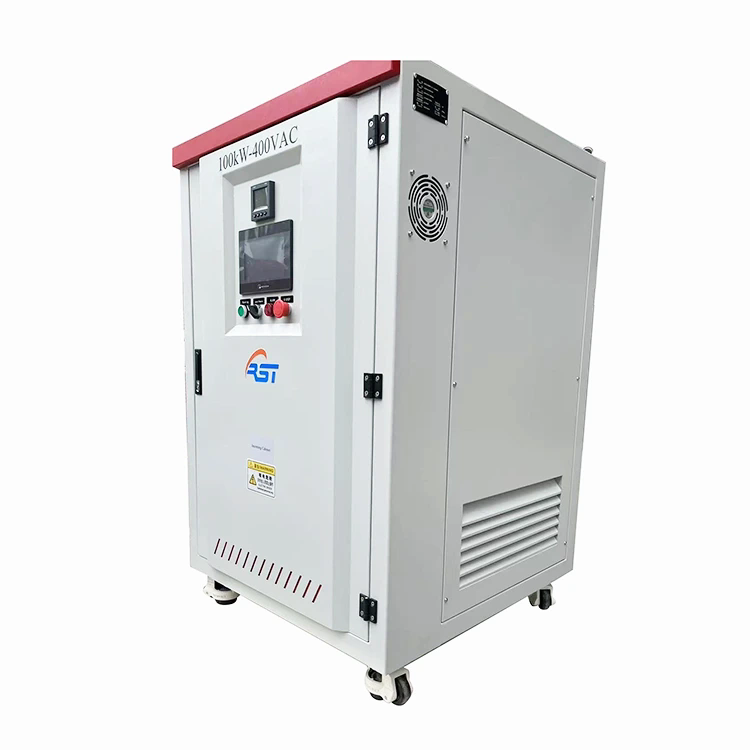
Table of Contents
- 1. Article Outline
- 2. What Is a Resistive Load Bank?
- 3. How Does a Resistive Load Bank Work?
- 4. Key Industrial Applications
- 5. Benefits of Using Resistive Load Banks
- 6. How to Choose the Right Load Bank
- 7. Maintenance and Safety Considerations
- 8. Load Bank Comparison Table
- 9. Frequently Asked Questions
- 10. Conclusion
1. Article Outline
- Definition and core purpose of resistive load banks
- Working mechanism and electrical load simulation
- Industrial usage scenarios and demand sectors
- Advantages in system validation and reliability assurance
- Selection parameters for different applications
- Safety practices and preventive maintenance strategies
2. What Is a Resistive Load Bank?
A Resistive Load Bank is a specialized electrical device designed to replicate real electrical loads in a controlled environment. It converts electrical energy into heat through resistive elements, allowing operators to test generators, UPS systems, and power distribution equipment under various load conditions.
Unlike actual operational loads, which may be unpredictable, a resistive load bank provides consistent and measurable testing conditions. This makes it an essential tool for commissioning, preventive maintenance, and performance verification.
3. How Does a Resistive Load Bank Work?
The working principle of a resistive load bank is based on Ohmic resistance, where electrical energy is converted into heat energy through resistive heating elements. When a voltage is applied, current flows through resistive grids, generating heat that is dissipated via forced-air cooling systems.
Operators can adjust load levels in incremental steps, allowing precise control over testing conditions. This enables simulation of partial load, full load, and overload scenarios.
Key components include:
- Resistive elements (heating grids)
- Control panel or digital interface
- Cooling fans and ventilation system
- Protective circuit breakers and safety relays
4. Key Industrial Applications
Resistive load banks are widely used across industries where uninterrupted power is critical. Their ability to validate power systems under load conditions makes them indispensable in modern infrastructure.
- Data Centers: Testing UPS and backup generators
- Power Plants: Commissioning and routine testing of generators
- Marine Industry: Ensuring onboard generator reliability
- Aerospace: Validating ground power systems
- Telecommunications: Backup power system verification
5. Benefits of Using Resistive Load Banks
The use of a resistive load bank significantly improves system reliability and operational safety. It allows operators to detect weaknesses before actual failure occurs.
- Improved generator reliability and readiness
- Reduced risk of unexpected power failure
- Accurate performance diagnostics
- Prevention of wet stacking in diesel generators
- Extended equipment lifespan
Companies such as RST Electric integrate advanced engineering into load bank systems to ensure precise testing accuracy and long-term durability.
6. How to Choose the Right Load Bank
Selecting the right resistive load bank depends on several technical and operational factors. A mismatch can lead to inefficient testing or equipment stress.
- Power Rating: Must match or exceed generator capacity
- Voltage Compatibility: Ensure system alignment
- Cooling Method: Air-cooled vs. water-cooled systems
- Portability: Fixed or mobile configurations
- Control System: Manual vs. automated digital control
7. Maintenance and Safety Considerations
Proper maintenance ensures long-term performance and operational safety of resistive load banks. Since they generate significant heat, ventilation and dust control are critical.
Maintenance checklist:
- Regular inspection of resistive elements
- Cleaning air filters and cooling fans
- Electrical insulation testing
- Calibration of control systems
Safety protocols should always include proper grounding, thermal monitoring, and adherence to manufacturer guidelines provided by suppliers such as RST Electric.
8. Load Bank Comparison Table
| Type | Function | Cooling | Typical Use |
|---|---|---|---|
| Resistive Load Bank | Simulates real power loads using heat | Air-cooled | Generator testing, UPS validation |
| Reactive Load Bank | Simulates inductive/capacitive loads | Air or oil-cooled | Power factor correction testing |
| Combined Load Bank | Resistive + reactive testing | Advanced cooling systems | Complex power system validation |
9. Frequently Asked Questions
Q1: What is the main purpose of a resistive load bank?
A resistive load bank is used to simulate electrical loads and test the performance of generators and backup systems under controlled conditions.
Q2: Why is load testing necessary?
Load testing ensures that power systems can handle real-world demand without failure, improving reliability and safety.
Q3: How often should load testing be performed?
It depends on application, but most critical systems require quarterly or annual testing.
Q4: Can load banks prevent generator failure?
Yes, by identifying performance issues early, they help prevent unexpected breakdowns and costly downtime.
10. Conclusion
A Resistive Load Bank plays a vital role in ensuring the stability and readiness of modern power systems. By simulating real electrical loads, it enables accurate performance evaluation, reduces operational risks, and extends equipment lifespan.
With advanced engineering solutions from RST Electric, industries can achieve higher levels of reliability and efficiency in their power infrastructure. Investing in proper load testing equipment is not just a technical decision—it is a strategic safeguard for uninterrupted operations.
For professional-grade resistive load bank solutions and expert support, contact us today at RST Electric and ensure your power systems are always ready when it matters most.