

How Does a Ring Main Unit Improve Modern Power Distribution Reliability?
2026-08-19
Article Summary
A reliable power distribution system requires equipment that can ensure safety, flexibility, and continuous electricity supply. A Ring Main Unit (RMU) is one of the most important components used in medium-voltage distribution networks because it provides efficient power control, fault isolation, and operational stability. This article explains how Ring Main Units work, why they are widely adopted in industrial and commercial power systems, and how businesses can overcome common challenges such as unexpected outages, maintenance difficulties, and distribution risks. With professional solutions from Cotenele, users can achieve safer and more dependable medium-voltage power management.
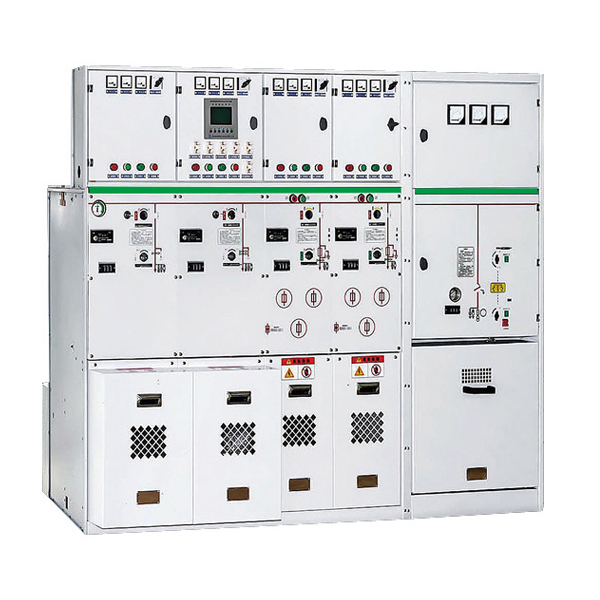
Table of Contents
- 1. What Is a Ring Main Unit?
- 2. Why Is a Ring Main Unit Important for Power Distribution?
- 3. How Does a Ring Main Unit Work?
- 4. What Are the Main Advantages of Using a Ring Main Unit?
- 5. How to Choose the Right Ring Main Unit?
- 6. Where Are Ring Main Units Commonly Used?
- 7. How Can Users Maintain a Ring Main Unit Effectively?
- 8. Frequently Asked Questions About Ring Main Units
Article Outline
| Section | Main Content |
|---|---|
| Basic Understanding | Definition, structure, and role of Ring Main Units in electrical networks |
| Operational Principle | How RMUs control electricity flow and isolate faults |
| Customer Challenges | Solutions for power interruption, safety concerns, and maintenance issues |
| Application Guidance | Industrial, commercial, renewable energy, and infrastructure applications |
| Selection Tips | Important factors when purchasing a suitable RMU system |
What Is a Ring Main Unit?
A Ring Main Unit, commonly known as an RMU, is a compact medium-voltage switchgear device designed for electricity distribution networks. It combines several electrical functions into a single enclosed unit, including switching, protection, and isolation. RMUs are typically installed in medium-voltage networks where reliable electricity delivery is essential.
Traditional distribution systems often face challenges when a fault occurs in one section of the network. Without effective isolation equipment, a single failure can interrupt power supply to a large area. A Ring Main Unit solves this problem by allowing operators to separate the affected section while maintaining electricity supply to other connected areas.
Cotenele provides professional Ring Main Unit solutions designed to support modern power distribution requirements. The company focuses on delivering reliable equipment that helps customers improve operational safety, reduce downtime, and optimize electrical system performance.
An RMU normally contains switching components, busbars, protection devices, and cable connection sections. Depending on system requirements, different configurations can be selected, including load switch combinations, fuse protection versions, and circuit breaker solutions.
Key Components of a Ring Main Unit
| Component | Function |
|---|---|
| Load Switch | Controls normal current operation and allows safe switching. |
| Circuit Breaker | Protects electrical systems by interrupting fault currents. |
| Busbar System | Provides electrical connection between different sections. |
| Cable Compartment | Allows safe connection of incoming and outgoing cables. |
| Protection Device | Detects abnormal conditions and improves system safety. |
Why Is a Ring Main Unit Important for Power Distribution?
Electricity users today require higher reliability than ever before. Manufacturing facilities, commercial buildings, transportation systems, and data centers cannot afford frequent power interruptions. A Ring Main Unit helps solve this challenge by creating a more flexible and stable distribution network.
One of the biggest advantages of an RMU is its ability to maintain power continuity. In a ring network structure, electricity can flow from different directions. When one section experiences a fault, the damaged part can be isolated while other sections continue operating.
This design significantly reduces the impact of electrical failures. For businesses, fewer interruptions mean improved productivity, reduced equipment damage, and lower operational costs.
- Improves electricity supply reliability
- Reduces the influence of local faults
- Enhances operator safety
- Simplifies system expansion
- Supports intelligent power management
Modern Ring Main Units are also designed with compact structures, making them suitable for locations where installation space is limited. Compared with traditional switchgear systems, RMUs require less installation area while providing multiple protection functions.
How Does a Ring Main Unit Work?
The working principle of a Ring Main Unit is based on controlled switching and fault isolation. In a medium-voltage distribution network, the RMU receives electrical power from one direction and distributes it to connected users or transformers.
During normal operation, the switches inside the RMU remain connected, allowing electricity to flow continuously through the network. When a fault occurs, protection equipment detects abnormal conditions such as excessive current or short circuits.
After detecting the problem, the RMU isolates the faulty section by opening the relevant switch or circuit breaker. Other parts of the network remain energized, preventing unnecessary power loss.
| Operating Condition | RMU Action | Result |
|---|---|---|
| Normal Operation | Switches remain closed | Continuous electricity supply |
| Fault Detection | Protection system identifies abnormal current | Fast response to electrical problems |
| Fault Isolation | Faulty section disconnected | Other areas continue operating |
| Maintenance | Specific section safely isolated | Improved working safety |
What Are the Main Advantages of Using a Ring Main Unit?
Choosing the right power distribution equipment directly affects system stability, maintenance efficiency, and long-term operating costs. A Ring Main Unit provides several practical advantages that make it a preferred choice for medium-voltage electrical networks. From improving safety performance to reducing downtime, RMUs help solve many common challenges faced by power system operators.
For companies operating factories, commercial buildings, renewable energy facilities, and public infrastructure, unexpected power failures can create significant financial losses. A properly designed RMU system helps minimize these risks by providing reliable switching and protection functions.
Major Benefits of Ring Main Units
-
1. Higher Power Supply Reliability
The ring network structure allows electricity to be supplied from multiple directions. If one section fails, the affected area can be isolated while other sections continue receiving power. -
2. Improved Electrical Safety
RMUs provide controlled switching and fault protection, reducing the risk of electrical accidents during operation and maintenance. -
3. Compact Installation Design
Compared with traditional medium-voltage switchgear systems, Ring Main Units require less installation space, making them suitable for urban environments and compact substations. -
4. Easier Maintenance Management
Operators can quickly identify and isolate problem areas, reducing troubleshooting time and improving maintenance efficiency. -
5. Flexible System Expansion
RMUs can support future power network upgrades by allowing additional distribution points to be integrated more easily.
| Customer Challenge | How RMU Helps |
|---|---|
| Frequent power interruptions | Provides fault isolation and alternative power paths. |
| Limited installation space | Offers a compact structure suitable for restricted areas. |
| High maintenance workload | Simplifies operation and fault management. |
| Safety concerns during operation | Provides enclosed protection and controlled switching. |
| Future network expansion needs | Supports flexible configuration upgrades. |
How to Choose the Right Ring Main Unit?
Selecting a suitable Ring Main Unit requires careful consideration of electrical requirements, operating environment, and future development plans. A wrong selection may lead to inefficient operation, increased maintenance costs, or insufficient protection performance.
Before purchasing an RMU, customers should evaluate several important factors to ensure the equipment matches their application needs.
Important Factors When Selecting an RMU
-
Voltage Rating
The RMU must match the medium-voltage level of the distribution network. Common ratings vary depending on regional electrical standards and project requirements. -
Current Capacity
The rated current should meet the expected load demand while allowing sufficient safety margins. -
Protection Configuration
Different applications may require load switches, circuit breakers, or fuse protection systems. -
Environmental Conditions
Temperature, humidity, dust, and installation location can influence equipment selection. -
Operational Requirements
Some projects may require remote monitoring, automation, or intelligent control functions.
Cotenele understands that every power distribution project has different technical requirements. By focusing on practical application needs, Cotenele develops Ring Main Unit solutions that help customers achieve safer and more efficient electrical management.
Where Are Ring Main Units Commonly Used?
Ring Main Units are widely applied in industries where continuous and stable electricity supply is essential. Their compact structure and reliable protection functions make them suitable for various medium-voltage distribution environments.
| Application Area | Why RMU Is Suitable |
|---|---|
| Industrial Manufacturing Plants | Supports stable power supply for production equipment and reduces unexpected shutdowns. |
| Commercial Buildings | Provides reliable electricity distribution for offices, shopping centers, and large facilities. |
| Residential Communities | Improves safety and reliability of urban electricity networks. |
| Renewable Energy Projects | Helps manage power connections from solar and wind energy systems. |
| Transportation Infrastructure | Supports stable electrical operation for railways, airports, and public facilities. |
As electricity demand continues to increase, power networks require equipment that can provide both reliability and flexibility. Ring Main Units are becoming an essential solution for modern distribution systems because they combine multiple functions into a compact and efficient design.
How Can Users Maintain a Ring Main Unit Effectively?
Although Ring Main Units are designed for long service life and reliable operation, proper maintenance remains important. Regular inspection helps identify potential issues before they become serious failures.
Recommended RMU Maintenance Practices
-
Perform Regular Visual Inspections
Check the external condition of the enclosure, cable connections, and operating mechanisms. -
Monitor Electrical Performance
Review operating parameters and identify unusual temperature changes, abnormal sounds, or voltage issues. -
Check Protection Devices
Ensure protection systems operate correctly and respond properly during testing procedures. -
Keep Equipment Clean
Dust and contamination may affect electrical performance, especially in harsh environments. -
Follow Manufacturer Guidelines
Maintenance schedules should follow technical instructions provided by the equipment supplier.
A well-maintained Ring Main Unit can provide dependable performance for many years. Preventive maintenance not only improves safety but also reduces unexpected repair expenses and extends equipment service life.
Frequently Asked Questions About Ring Main Units
1. What is the main purpose of a Ring Main Unit?
The main purpose of a Ring Main Unit is to control, protect, and distribute medium-voltage electricity safely and efficiently. It allows operators to switch electrical circuits, isolate faults, and maintain continuous power supply to unaffected sections of the network.
By combining switching and protection functions in one compact enclosure, an RMU improves the reliability of electrical distribution systems while reducing installation space requirements.
2. How is a Ring Main Unit different from traditional switchgear?
A Ring Main Unit is specifically designed for distribution networks where reliability and compact installation are important. Traditional switchgear systems may require larger installation areas and separate components for different functions.
RMUs integrate multiple functions, including switching, protection, and cable connection, into a single solution. This integrated design simplifies operation and reduces maintenance complexity.
3. Why are Ring Main Units important for industrial facilities?
Industrial facilities depend on stable electricity to operate production equipment, automation systems, and critical machinery. A power interruption can result in production delays, equipment damage, and increased operating costs.
Ring Main Units help industrial users maintain power stability by quickly isolating electrical faults and minimizing the affected area. This allows businesses to continue normal operations with fewer disruptions.
4. Can a Ring Main Unit support renewable energy systems?
Yes. Ring Main Units are commonly used in renewable energy applications such as solar power plants and wind energy projects. They help connect generated electricity to distribution networks while providing necessary protection and switching functions.
As renewable energy projects expand, reliable medium-voltage equipment becomes increasingly important for safe and efficient grid integration.
5. How long can a Ring Main Unit operate?
The service life of a Ring Main Unit depends on equipment quality, installation conditions, operating environment, and maintenance practices. With proper installation and regular inspection, high-quality RMU equipment can provide reliable performance for many years.
6. What should customers consider before buying a Ring Main Unit?
Customers should consider voltage level, rated current, protection requirements, environmental conditions, installation space, and future expansion plans. Selecting equipment that matches actual project requirements helps ensure long-term reliability.
Working with an experienced manufacturer such as Cotenele can help customers choose a suitable Ring Main Unit configuration based on their specific power distribution needs.
Conclusion: How Does a Ring Main Unit Improve Modern Power Distribution?
A Ring Main Unit plays a vital role in modern medium-voltage power distribution by improving reliability, safety, and operational flexibility. As electrical systems become more complex and power demand continues to increase, businesses need solutions that can reduce downtime and improve network performance.
The compact structure, efficient fault isolation capability, and flexible configuration options make RMUs an ideal choice for industrial facilities, commercial buildings, renewable energy projects, and infrastructure applications.
By selecting the right equipment and following proper maintenance practices, users can create a safer and more stable electrical distribution system. Cotenele is committed to providing dependable Ring Main Unit solutions that help customers overcome power distribution challenges and achieve efficient energy management.
Build a More Reliable Power Distribution System Today
Choosing the right Ring Main Unit can make a significant difference in electrical safety, system efficiency, and long-term operating performance. Whether you need a solution for industrial facilities, commercial projects, or infrastructure development, Cotenele can provide professional support and reliable products.
For more information about Ring Main Unit solutions and customized electrical distribution options, please contact us.
Key Takeaways
- Ring Main Units improve medium-voltage distribution reliability through effective switching and fault isolation.
- RMUs provide compact solutions for locations with limited installation space.
- Proper equipment selection helps reduce maintenance costs and improve system performance.
- Regular inspection and maintenance extend equipment service life.
- Professional Ring Main Unit solutions from Cotenele help customers achieve safer and more efficient power management.