

How Does a Ring Main Unit With Circuit Breaker Improve Power Distribution Reliability?
2026-10-12
Reliable electricity distribution is essential for industrial facilities, commercial buildings, and urban power networks. A Ring Main Unit With Circuit Breaker is a compact medium-voltage switchgear solution designed to control electrical circuits, protect connected equipment, and improve power supply reliability. By combining ring network switching functions with circuit breaker protection, it helps operators manage electrical faults more effectively and reduce unnecessary service interruptions.
For projects that require safe, stable, and efficient power distribution, Zhejiang Usune Electric Co., Ltd. offers a professional option to consider when evaluating electrical distribution equipment for different application requirements.
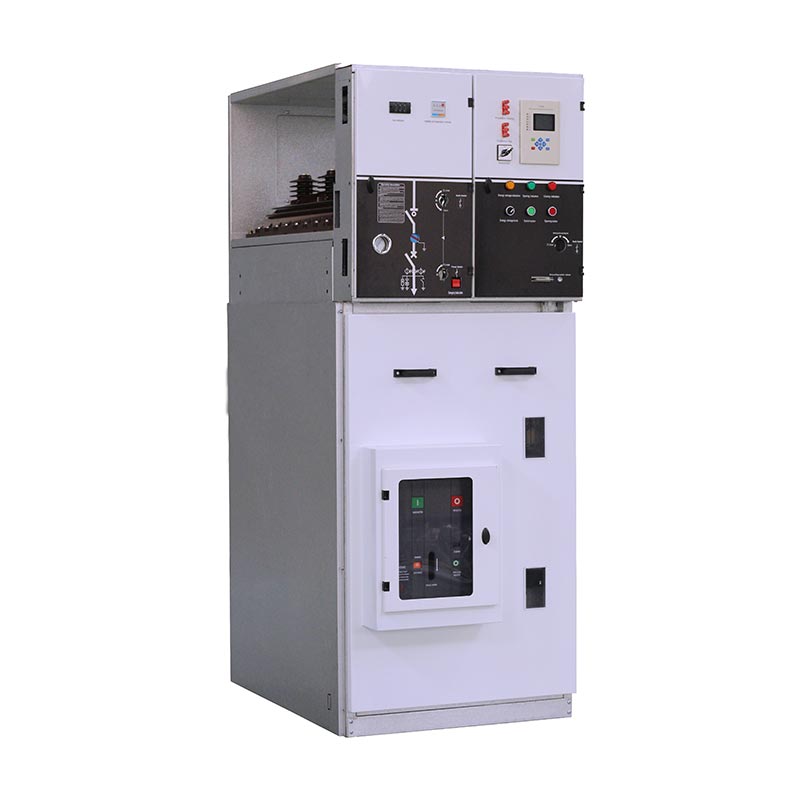
What Is a Ring Main Unit With Circuit Breaker?
A Ring Main Unit (RMU) is an enclosed switchgear assembly commonly used in medium-voltage distribution networks. It connects incoming and outgoing feeders and provides switching and isolation functions. When equipped with a circuit breaker and a suitable protection relay, it can also disconnect the protected circuit when a fault is detected.
Unlike a basic switching arrangement, a circuit-breaker-equipped RMU can provide more flexible protection coordination for transformer feeders and other designated circuits.
Its main components typically include:
-
Load Break Switches: Control normal load current in ring feeder circuits.
-
Circuit Breaker: Interrupts current under specified operating and fault conditions.
-
Protection Relay: Detects abnormal electrical conditions and initiates tripping when configured accordingly.
-
Busbar System: Connects the internal electrical circuits.
-
Earthing Switch: Supports safe maintenance procedures when operated according to approved safety requirements.
Why Is a Circuit Breaker Important in an RMU?
The circuit breaker plays a vital role in protecting electrical distribution equipment. When an overload or short-circuit condition occurs, the protection relay can detect the fault and command the breaker to open, provided the protection system is correctly configured.
This coordinated operation offers several practical benefits.
1. Improved Fault Protection
A circuit breaker can interrupt specified fault currents, helping limit damage to cables, transformers, and downstream equipment. Its performance depends on the rated breaking capacity and the protection settings selected for the installation.
2. Better Power Supply Reliability
In a properly designed ring network, operators can isolate a faulty cable section and restore supply through an alternative path when network capacity and switching arrangements permit. This can reduce the number of customers or facilities affected by a local fault.
3. More Flexible Protection Coordination
Compared with some fuse-switch arrangements, a circuit breaker paired with a suitable relay can offer adjustable protection settings and improved selectivity. This is especially valuable when the project requires coordinated protection across multiple feeders.
4. Easier Operation and Maintenance
An integrated switchgear assembly organizes switching and protection functions within a compact enclosure. Appropriate interlocks, clear operating procedures, and regular inspections help improve operational safety and maintenance efficiency.
Where Can a Ring Main Unit With Circuit Breaker Be Used?
This equipment is suitable for various medium-voltage distribution applications, subject to project specifications and electrical system requirements.
| Application | Main Benefit |
|---|---|
| Industrial Plants | Protects designated feeders and supports stable production power |
| Commercial Buildings | Helps manage medium-voltage distribution to building transformers |
| Residential Developments | Supports organized distribution across local networks |
| Utility Distribution Networks | Enables feeder sectionalization and operational flexibility |
| Renewable Energy Projects | Supports switching and protection at suitable grid connection points |
These applications demonstrate why an RMU with circuit breaker protection is an important consideration for projects where electrical safety, equipment protection, and service continuity are priorities.
How to Choose the Right RMU for Your Project
Selecting the right equipment requires more than comparing purchase prices. Buyers should assess the electrical design, operating environment, and long-term maintenance requirements.
Consider the following factors:
-
Rated Voltage and Current: Ensure compatibility with the network and expected operating loads.
-
Short-Circuit Ratings: Verify the making, breaking, and short-time withstand capabilities required by the system.
-
Protection Configuration: Confirm the circuit breaker, relay, and protection settings suit the connected equipment.
-
Insulation Technology: Evaluate air, gas, or solid insulation options according to project requirements and applicable regulations.
-
Installation Environment: Consider indoor or outdoor installation, ambient temperature, humidity, and available space.
-
Standards and Testing: Check compliance with applicable IEC standards, project specifications, and required type-test documentation.
-
Maintenance and Expansion: Consider accessibility, spare parts, service support, and future network development.
A carefully selected RMU can help balance safety, operational flexibility, installation space, and lifecycle costs.
Why Consider Zhejiang Usune Electric Co., Ltd.?
For electrical contractors, distributors, project developers, and industrial buyers, choosing a suitable equipment supplier is an important part of successful project delivery.
When evaluating Zhejiang Usune Electric Co., Ltd. for your Ring Main Unit With Circuit Breaker requirements, discuss your rated voltage, current capacity, short-circuit level, protection scheme, installation conditions, and applicable standards with the company. These details help establish whether the proposed configuration meets your project's technical requirements.
A clear technical specification also makes it easier to compare equipment options, confirm compatibility, and plan installation and maintenance.
Conclusion
A Ring Main Unit With Circuit Breaker combines compact medium-voltage switching with circuit protection to support safer and more reliable electrical distribution. Its key benefits include fault isolation, flexible protection coordination, improved maintenance planning, and the potential to reduce unnecessary power interruptions when incorporated into a properly designed network.
The right selection depends on system ratings, protection requirements, installation conditions, and compliance with relevant standards.
Looking for a suitable medium-voltage distribution solution for your next project? Contact us at Zhejiang Usune Electric Co., Ltd. to discuss your application requirements, evaluate suitable RMU configurations, and explore equipment options for reliable power distribution.
