

How Does a Safety Control System Improve Industrial Safety and Operational Reliability?
2026-07-16
Article Summary
In modern industrial environments, safety challenges are becoming increasingly complex. Equipment failures, unexpected hazards, human errors, and inefficient emergency responses can lead to production downtime, financial losses, and serious safety incidents. A Safety Control System provides an intelligent solution by monitoring operating conditions, detecting risks, and activating protective measures before problems become critical.
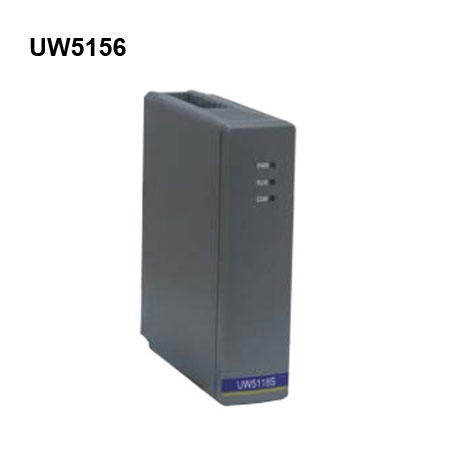
This article explains how a Safety Control System works, why industries need advanced safety management solutions, what problems it can solve, and how companies can improve workplace protection through reliable automation technology. With integrated monitoring, intelligent control, and fast response capabilities, modern safety systems help organizations create safer and more efficient production environments.
Table of Contents
- 1. Introduction: The Growing Need for Safety Control Systems
- 2. How Does a Safety Control System Work?
- 3. Key Components of a Safety Control System
- 4. What Industrial Problems Can a Safety Control System Solve?
- 5. Major Benefits of Implementing a Safety Control System
- 6. Applications of Safety Control Systems Across Industries
- 7. How to Choose the Right Safety Control System?
- 8. Future Development Trends of Safety Control Technology
- 9. Frequently Asked Questions About Safety Control Systems
1. Introduction: The Growing Need for Safety Control Systems
Industrial production relies heavily on automated equipment, complex processes, and continuous operations. While automation improves productivity, it also introduces new safety challenges. Machines operating at high speeds, electrical systems carrying significant power loads, and production environments involving hazardous materials all require effective protection.
Traditional safety methods often depend on manual inspections and operator experience. However, manual monitoring cannot always identify hidden risks quickly enough. A small equipment abnormality may develop into a major failure if there is no immediate detection and response.
A Safety Control System addresses these challenges by combining sensors, controllers, software, and protective devices to create a comprehensive safety management solution. It continuously evaluates operational conditions and automatically takes action when dangerous situations occur.
Companies such as UWNTEK provide advanced safety control solutions designed to help industrial users improve equipment protection, reduce operational risks, and achieve more reliable production processes.
2. How Does a Safety Control System Work?
A Safety Control System works through a continuous cycle of monitoring, analysis, decision-making, and protection. Unlike simple alarm systems that only notify operators after a problem occurs, advanced safety control solutions can actively prevent dangerous conditions.
The working process usually includes four main steps:
- Data Collection: Sensors collect information such as temperature, pressure, speed, position, vibration, electrical conditions, and equipment status.
- Risk Analysis: The control unit processes collected data and compares it with predefined safety parameters.
- Safety Decision: When abnormal conditions are detected, the system determines the appropriate protective action.
- Automatic Response: The system can stop equipment, isolate dangerous areas, trigger alarms, or adjust operations to prevent accidents.
This automated approach minimizes reaction time and reduces dependence on manual intervention, which is especially important in industries where every second matters.
3. Key Components of a Safety Control System
A complete Safety Control System consists of multiple hardware and software elements working together. Each component plays an important role in maintaining safe operation.
- Safety Sensors: Detect environmental and equipment conditions, including temperature changes, pressure fluctuations, motion status, and abnormal signals.
- Safety Controllers: Process input information and execute programmed safety logic to control connected equipment.
- Emergency Devices: Include emergency stop buttons, safety switches, and protective mechanisms that allow immediate shutdown when necessary.
- Communication Modules: Enable data exchange between different devices and allow centralized monitoring.
- Monitoring Software: Provides visualization, system diagnostics, event records, and operational analysis.
The combination of these components creates a reliable safety network that protects both personnel and industrial assets.
4. What Industrial Problems Can a Safety Control System Solve?
Many industrial companies face similar safety-related difficulties. A properly designed Safety Control System can effectively solve these common problems.
- Delayed Hazard Detection: Automated monitoring identifies abnormal conditions faster than manual inspection.
- Unexpected Equipment Failure: Continuous condition monitoring helps detect early warning signals before equipment breakdown occurs.
- Human Operation Errors: Automatic safety logic reduces risks caused by incorrect operation.
- Production Interruptions: Preventive protection reduces unexpected shutdowns and improves production continuity.
- Difficulty Managing Complex Systems: Centralized monitoring simplifies safety management for large-scale facilities.
By solving these challenges, businesses can achieve safer operations while maintaining higher productivity levels.
5. Major Benefits of Implementing a Safety Control System
Installing a Safety Control System provides long-term advantages for industrial organizations. These benefits extend beyond accident prevention and contribute to overall operational improvement.
- Enhanced Workplace Safety: The system provides real-time protection for workers and equipment.
- Improved Equipment Reliability: Early detection helps reduce mechanical and electrical failures.
- Higher Production Efficiency: Stable operation reduces downtime and improves manufacturing performance.
- Better Risk Management: Recorded safety data helps companies analyze problems and optimize processes.
- Reduced Maintenance Costs: Predictive protection prevents expensive emergency repairs.
For manufacturers seeking sustainable industrial growth, safety control technology has become an essential investment rather than an optional upgrade.
6. Applications of Safety Control Systems Across Industries
Safety Control Systems are widely used in industries where operational risks need to be managed effectively.
- Manufacturing Industry: Protects automated production lines, robotic systems, and processing equipment.
- Energy Industry: Helps monitor electrical facilities and prevent dangerous operating conditions.
- Automotive Industry: Ensures safe operation of assembly lines and testing equipment.
- Chemical Industry: Provides protection against process abnormalities and hazardous situations.
- Logistics and Warehousing: Improves safety for automated storage and transportation systems.
7. How to Choose the Right Safety Control System?
Selecting an appropriate Safety Control System requires careful consideration of operational requirements, environmental conditions, and future development plans.
- Understand Safety Requirements: Identify potential hazards and determine the necessary protection level.
- Evaluate System Compatibility: Ensure the solution can integrate with existing equipment and automation platforms.
- Consider Scalability: Choose systems that can support future expansion.
- Check Reliability: High-quality components and stable performance are critical for industrial environments.
- Focus on Technical Support: Professional service helps ensure smooth installation and long-term operation.
A reliable supplier should provide not only equipment but also technical guidance and customized solutions based on specific industrial needs.
8. Future Development Trends of Safety Control Technology
Safety control technology is continuously evolving with advancements in automation, artificial intelligence, and digital management. Future systems will become more intelligent, connected, and predictive.
- Intelligent Monitoring: AI-based analysis will improve abnormal condition recognition.
- Remote Management: Cloud-based platforms will allow operators to monitor safety conditions from different locations.
- Predictive Protection: Advanced data analysis will help prevent failures before they happen.
- Integrated Automation: Safety systems will work more closely with production control systems.
These developments will help industries achieve higher safety standards while improving efficiency and competitiveness.
9. Frequently Asked Questions About Safety Control Systems
Q1: What is a Safety Control System?
A Safety Control System is an automated solution that monitors industrial operations, detects dangerous conditions, and activates protective actions to improve safety.
Q2: Why do industries need a Safety Control System?
Industries need these systems to reduce accident risks, improve equipment reliability, and maintain stable production performance.
Q3: Can a Safety Control System work with existing equipment?
Many modern systems are designed to integrate with existing industrial equipment through compatible communication interfaces and control technologies.
Q4: How does a Safety Control System improve maintenance efficiency?
By monitoring equipment conditions and identifying early warning signals, the system helps companies perform preventive maintenance instead of emergency repairs.
Q5: What industries can use Safety Control Systems?
Manufacturing, energy, automotive, chemical processing, logistics, and many other industries can benefit from safety control technology.
Conclusion
A Safety Control System plays an important role in modern industrial safety management. By combining intelligent monitoring, automatic protection, and reliable control technologies, it helps companies reduce risks, improve efficiency, and protect valuable assets.
As industrial environments become more complex, investing in advanced safety solutions is a key step toward achieving safer and more productive operations. UWNTEK provides professional Safety Control System solutions designed to meet different industrial requirements and help customers build reliable safety management environments.
If you are looking for a dependable Safety Control System solution to improve workplace safety and operational performance, please contact us today. UWNTEK is ready to provide professional support and customized solutions for your industrial needs.