

How Does a Solid Oxide Fuel Cell Work and Why Is It Becoming a Key Energy Solution?
2026-07-14
Solid Oxide Fuel Cell (SOFC) technology is emerging as an advanced energy conversion solution that helps industries, commercial facilities, and distributed power systems achieve higher efficiency, lower emissions, and improved energy reliability. Unlike traditional combustion-based power generation methods, SOFC systems directly convert chemical energy into electricity through electrochemical reactions, reducing energy losses and supporting cleaner energy development. This article explains how Solid Oxide Fuel Cells operate, their advantages, challenges, applications, and how companies such as VET Energy are contributing to the development of efficient fuel cell technologies.
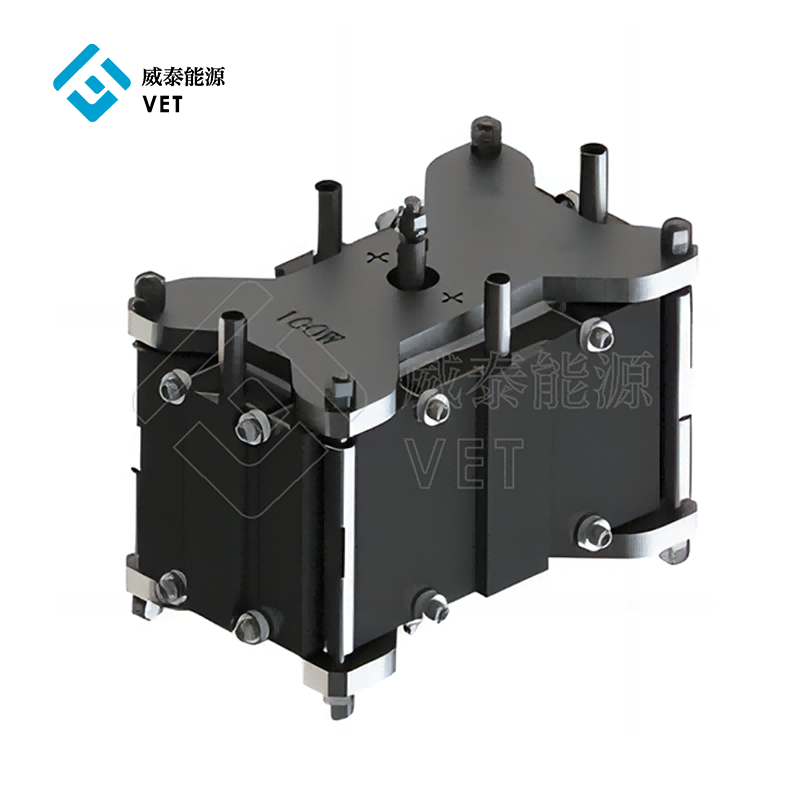
Table of Contents
- 1. What Is a Solid Oxide Fuel Cell?
- 2. How Does a Solid Oxide Fuel Cell Work?
- 3. What Are the Major Advantages of Solid Oxide Fuel Cells?
- 4. What Challenges Affect Solid Oxide Fuel Cell Development?
- 5. Where Are Solid Oxide Fuel Cells Used?
- 6. Solid Oxide Fuel Cell Compared with Other Energy Technologies
- 7. Why Choose VET Energy for Solid Oxide Fuel Cell Solutions?
- 8. Frequently Asked Questions About Solid Oxide Fuel Cells
Article Outline
- Understanding the basic structure and operating principle of SOFC technology
- Exploring efficiency, environmental benefits, and industrial value
- Analyzing technical challenges and future development trends
- Reviewing practical applications across different industries
- Introducing professional Solid Oxide Fuel Cell solutions from VET Energy
What Is a Solid Oxide Fuel Cell?
A Solid Oxide Fuel Cell, commonly known as SOFC, is a high-temperature electrochemical device that generates electricity by converting fuel energy directly into electrical energy. Unlike conventional generators that burn fuel to create mechanical motion before producing electricity, SOFC systems use a chemical reaction process, which significantly reduces energy conversion losses.
The core component of an SOFC is a solid ceramic electrolyte that allows oxygen ions to move between electrodes while preventing direct fuel and oxygen mixing. This unique structure enables continuous electricity production with high efficiency and stable performance.
Solid Oxide Fuel Cells can operate with various fuels, including hydrogen, natural gas, biogas, and other renewable fuels. Their fuel flexibility makes them suitable for different energy environments, from industrial power generation to distributed energy systems.
How Does a Solid Oxide Fuel Cell Work?
The working principle of a Solid Oxide Fuel Cell is based on an electrochemical reaction between fuel and oxygen. The process takes place inside the fuel cell stack, which consists mainly of three parts: the anode, electrolyte, and cathode.
| Component | Main Function |
|---|---|
| Cathode | Receives oxygen from the air and converts oxygen molecules into oxygen ions. |
| Electrolyte | Allows oxygen ions to pass through while blocking electrons and gases. |
| Anode | Combines oxygen ions with fuel to produce electricity, heat, and water vapor. |
During operation, oxygen from the air enters the cathode side, where it receives electrons and becomes oxygen ions. These ions travel through the solid electrolyte to the anode side. At the anode, oxygen ions react with fuel molecules, releasing electrons that flow through an external circuit and generate electricity.
The reaction process produces heat as a by-product. This heat can be reused through combined heat and power systems, further increasing overall energy efficiency.
What Are the Major Advantages of Solid Oxide Fuel Cells?
The increasing demand for cleaner and more reliable energy has accelerated the adoption of Solid Oxide Fuel Cell technology. SOFC systems provide several important benefits for modern energy users.
| Advantage | Description |
|---|---|
| High Energy Efficiency | SOFC systems directly convert fuel into electricity, reducing energy losses caused by mechanical conversion. |
| Low Emissions | The electrochemical process produces fewer pollutants compared with traditional combustion engines. |
| Fuel Flexibility | SOFC technology can utilize hydrogen, natural gas, biogas, and other fuels. |
| Stable Power Supply | Fuel cells can provide continuous electricity generation independent of weather conditions. |
| Combined Heat and Power Capability | Generated heat can be recovered to improve total system efficiency. |
For businesses facing increasing energy costs and stricter environmental requirements, Solid Oxide Fuel Cells provide a practical pathway toward more sustainable power management.
What Challenges Affect Solid Oxide Fuel Cell Development?
Although Solid Oxide Fuel Cell technology offers significant advantages, several technical challenges still need to be addressed before wider adoption.
- High Operating Temperature: SOFC systems usually operate at high temperatures, requiring advanced materials and thermal management solutions.
- Material Durability: Long-term operation requires electrodes and electrolytes with excellent resistance to thermal stress and chemical degradation.
- Startup Time: Heating the system to operating temperature may require additional time compared with low-temperature fuel cell technologies.
- Manufacturing Cost: Advanced ceramic materials and precision manufacturing processes influence overall system costs.
Continuous research in materials science, manufacturing techniques, and system integration is helping overcome these limitations and improve commercial viability.
Where Are Solid Oxide Fuel Cells Used?
Solid Oxide Fuel Cells are suitable for a wide range of applications because of their high efficiency and fuel adaptability.
| Application Area | Benefits |
|---|---|
| Industrial Facilities | Provides reliable electricity while reducing dependence on traditional energy sources. |
| Commercial Buildings | Supports distributed power generation and energy cost management. |
| Data Centers | Offers stable electricity supply for high-demand computing operations. |
| Renewable Energy Systems | Works with hydrogen and biogas technologies to support cleaner energy networks. |
| Remote Areas | Provides dependable power where traditional grid infrastructure is limited. |
Solid Oxide Fuel Cell Compared with Other Energy Technologies
| Technology | Efficiency | Fuel Flexibility | Main Characteristics |
|---|---|---|---|
| Solid Oxide Fuel Cell | High | Excellent | Direct electrochemical energy conversion with low emissions. |
| Internal Combustion Generator | Medium | Good | Reliable but produces more emissions and noise. |
| Solar Power | Variable | Limited | Depends on sunlight availability. |
| Battery Storage | High | Not Applicable | Stores electricity but does not generate energy. |
Why Choose VET Energy for Solid Oxide Fuel Cell Solutions?
As energy transformation continues worldwide, reliable fuel cell technology providers play an important role in helping industries achieve cleaner and more efficient power solutions. VET Energy focuses on advanced Solid Oxide Fuel Cell technology development and provides professional solutions designed for modern energy requirements.
With expertise in fuel cell materials, system integration, and energy applications, VET Energy works to improve fuel cell performance, reliability, and practical usability. The company is committed to delivering innovative solutions that support cleaner electricity generation and sustainable energy development.
VET Energy understands that different industries have different power requirements. Through customized solutions and technical support, the company helps customers select suitable Solid Oxide Fuel Cell systems according to operating conditions, energy demands, and future development goals.
- Advanced Solid Oxide Fuel Cell technology solutions
- Professional technical support and system integration capabilities
- Focus on efficiency, reliability, and sustainable energy development
- Customized solutions for various industrial applications
Frequently Asked Questions About Solid Oxide Fuel Cells
Q1: What is the main purpose of a Solid Oxide Fuel Cell?
A Solid Oxide Fuel Cell converts chemical energy from fuels into electricity through an electrochemical process. It is mainly used for efficient and reliable power generation.
Q2: Can Solid Oxide Fuel Cells use hydrogen?
Yes. SOFC systems can operate with hydrogen, making them suitable for future clean energy systems based on renewable hydrogen production.
Q3: Are Solid Oxide Fuel Cells environmentally friendly?
SOFC technology produces fewer emissions than many traditional combustion-based power systems, especially when combined with clean fuels such as hydrogen or renewable biogas.
Q4: Why does SOFC operate at high temperatures?
High operating temperatures improve ionic conductivity in ceramic electrolytes and allow efficient electrochemical reactions.
Q5: How long can a Solid Oxide Fuel Cell system operate?
The service life depends on materials, operating conditions, maintenance, and system design. Continuous improvements in materials are extending operational durability.
Conclusion
Solid Oxide Fuel Cell technology represents an important direction for future energy systems by combining high efficiency, fuel flexibility, and cleaner electricity generation. As industries search for reliable alternatives to traditional power solutions, SOFC systems provide valuable opportunities for reducing energy consumption and supporting sustainable development.
With advanced technology and customized energy solutions, VET Energy continues to support customers looking for efficient Solid Oxide Fuel Cell applications. If you are interested in exploring professional fuel cell solutions for your energy needs, please contact us today and discover how VET Energy can help build a cleaner and more efficient energy future.
Contact VET Energy now for advanced Solid Oxide Fuel Cell solutions and professional technical support. Contact us to discuss your customized energy requirements.