Electrical systems are constantly exposed to voltage spikes caused by lightning strikes, utility switching, industrial equipment, and unstable power conditions. Without proper protection, these surges can damage expensive machinery, interrupt operations, and shorten the lifespan of electrical components. A Surge Protective Device (SPD) is designed to divert excessive voltage safely away from connected equipment, helping businesses and facilities maintain stable and reliable electrical performance.
Article Summary
This article explains how a Surge Protective Device works, why surge protection is essential for modern electrical systems, the major types of SPDs, installation considerations, selection methods, and the most common customer concerns. You will also learn how quality surge protection solutions from Junray Electrical can help reduce downtime, protect investments, and improve electrical safety in residential, commercial, and industrial environments.
What Is a Surge Protective Device?
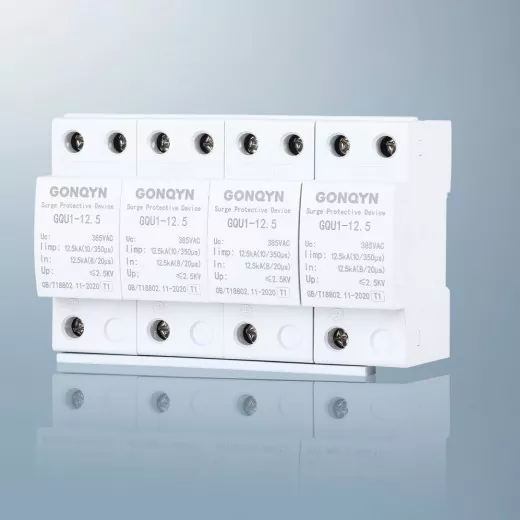
A Surge Protective Device, commonly called an SPD, is an electrical protection component designed to prevent transient overvoltage from damaging electrical equipment. When excessive voltage enters a power system, the SPD redirects the unwanted energy to ground before it reaches sensitive devices.
SPDs are widely used in residential buildings, commercial facilities, telecommunications systems, manufacturing plants, renewable energy systems, and data centers. They provide an essential layer of protection for equipment such as PLC systems, servers, control panels, HVAC units, industrial automation devices, and household appliances.
-
Protects electrical equipment from sudden voltage spikes
-
Reduces downtime and repair costs
-
Improves operational reliability
-
Enhances electrical safety
-
Extends equipment lifespan
How Does a Surge Protective Device Work?
Under normal operating conditions, an SPD remains inactive while allowing standard electrical current to flow through the system. However, when a voltage surge exceeds the acceptable threshold, the SPD reacts instantly by creating a low-impedance path to ground.
This process happens within nanoseconds, preventing dangerous overvoltage from reaching connected devices. Once the surge event ends, the SPD automatically returns to its standby mode.
Key Operating Principle
A Surge Protective Device continuously monitors voltage levels. When transient voltage rises beyond safe limits, the SPD diverts excess energy away from critical equipment and safely dissipates it into the grounding system.
Most SPDs use components such as Metal Oxide Varistors (MOVs), Gas Discharge Tubes (GDTs), or Transient Voltage Suppression (TVS) diodes to absorb and redirect surge energy efficiently.
Common Causes of Electrical Surges
Many customers assume lightning is the only source of electrical surges, but internal electrical activities actually cause a large percentage of surge events.
|
Cause of Surge
|
Description
|
Potential Risk
|
|
Lightning Strikes
|
External lightning can inject extremely high voltage into power lines.
|
Severe equipment destruction and fire hazards
|
|
Utility Grid Switching
|
Power company switching operations may create voltage fluctuations.
|
Unexpected system shutdowns
|
|
Large Machinery
|
Motors and compressors generate internal surges during startup and shutdown.
|
Control system damage
|
|
Poor Wiring
|
Improper grounding and outdated wiring increase surge vulnerability.
|
Electrical instability
|
|
Generator Switching
|
Transfer between utility and backup generators may produce transient spikes.
|
Equipment malfunction
|
Why Is Surge Protection Important?
Modern electrical systems contain increasingly sensitive electronics. Even minor transient surges can degrade internal circuits over time. Repeated exposure often leads to hidden damage that reduces equipment reliability long before complete failure occurs.
Installing a reliable Surge Protective Device helps businesses avoid costly interruptions, production delays, and unexpected maintenance expenses.
Main Benefits of Installing an SPD:
-
Prevents expensive equipment replacement
-
Protects sensitive digital electronics
-
Reduces operational downtime
-
Supports stable power quality
-
Helps maintain compliance with electrical safety standards
-
Minimizes maintenance costs
In industrial environments, surge protection becomes especially important because automated production systems rely heavily on uninterrupted electrical performance.
Types of Surge Protective Devices
SPDs are generally classified according to installation location and protection capability. Selecting the proper type depends on system requirements and risk exposure.
|
SPD Type
|
Application
|
Main Function
|
|
Type 1 SPD
|
Main power entrance
|
Protection against direct lightning surges
|
|
Type 2 SPD
|
Distribution panels
|
Protection from switching surges and indirect lightning
|
|
Type 3 SPD
|
Point-of-use equipment
|
Fine protection for sensitive electronics
|
Many facilities use a coordinated protection strategy that combines multiple SPD types to achieve comprehensive protection across the entire electrical system.
How to Choose the Right SPD
Choosing the correct Surge Protective Device requires careful evaluation of several technical factors. Customers often focus only on price, but performance specifications are far more important for long-term protection.
Important Selection Factors:
-
Nominal system voltage
-
Maximum discharge current capacity
-
Voltage protection level
-
Response time
-
Installation environment
-
Compliance certifications
-
Grounding quality
High-quality SPDs from Junray Electrical are engineered for stable performance, fast response capability, and long service life under demanding operating conditions.
For industrial facilities, it is highly recommended to select SPDs with high surge current capacity and thermal protection features to ensure reliable operation during repeated surge events.
Installation Best Practices
Proper installation is critical for SPD effectiveness. Even the best surge protector may fail to perform correctly if grounding quality or wiring layout is inadequate.
-
Install SPDs as close as possible to the protected equipment
-
Keep grounding conductors short and direct
-
Use proper grounding systems according to electrical codes
-
Avoid unnecessary wire bends and loops
-
Coordinate multiple protection stages for layered defense
-
Inspect connections regularly for corrosion or looseness
Professional installation ensures optimal surge diversion performance and minimizes residual voltage reaching sensitive equipment.
SPD Comparison Table
|
Feature
|
Basic SPD
|
Advanced Industrial SPD
|
|
Response Speed
|
Standard
|
Ultra-fast
|
|
Surge Capacity
|
Low to medium
|
High
|
|
Protection Level
|
Basic equipment
|
Critical systems
|
|
Monitoring Function
|
Limited
|
Available
|
|
Application
|
Residential use
|
Industrial and commercial use
|
Maintenance and Lifespan of Surge Protective Devices
Although SPDs are designed for long-term operation, they are not permanent components. Every surge event slightly degrades internal protection elements over time.
Regular inspection helps identify aging or damaged units before protection capability decreases significantly. Many modern SPDs include visual status indicators or remote monitoring functions that simplify maintenance management.
Maintenance Recommendations:
-
Inspect SPD indicators periodically
-
Verify grounding resistance regularly
-
Replace damaged or expired units promptly
-
Check wiring integrity during maintenance cycles
-
Perform inspections after severe lightning activity
Frequently Asked Questions
Can a Surge Protective Device stop lightning damage completely?
An SPD significantly reduces the risk of lightning-related damage by diverting transient voltage safely to ground. However, complete protection also depends on proper grounding, bonding, and coordinated protection system design.
How long does an SPD last?
The lifespan depends on surge frequency and intensity. In stable environments, high-quality SPDs may operate effectively for many years. Heavy surge exposure can shorten service life.
Is one SPD enough for an entire building?
In many cases, a layered surge protection strategy is recommended. Installing SPDs at the main entrance, distribution panels, and sensitive equipment locations provides better protection coverage.
What happens if no SPD is installed?
Without surge protection, sensitive equipment remains vulnerable to voltage spikes that may cause sudden failure, reduced lifespan, data loss, or costly operational downtime.
Why choose Junray Electrical?
Junray Electrical provides dependable surge protection solutions designed for residential, commercial, and industrial applications. The company focuses on product reliability, safety performance, and long-term operational stability.
Protect Your Electrical System with Reliable Surge Protection
Electrical surges can happen at any time and may lead to expensive damage, unexpected downtime, and serious operational risks. Choosing a high-performance Surge Protective Device is one of the most effective ways to improve electrical reliability and safeguard critical equipment.
Junray Electrical offers professional surge protection solutions engineered for demanding applications across industrial, commercial, and residential environments.
If you are looking for dependable Surge Protective Devices with strong performance and long-term reliability, contact us today to discuss your project requirements and receive professional support from the Junray Electrical team.
Contact Us