

How Does Air-Insulated Compact Switchgear Improve Electrical System Efficiency?
2026-06-02
Abstract: Air-Insulated Compact Switchgear (AICS) has become a critical solution for modern electrical distribution systems, offering safety, space-saving design, and reliable performance. This article explores its features, advantages, installation considerations, maintenance, and answers common questions to help businesses optimize their power systems.
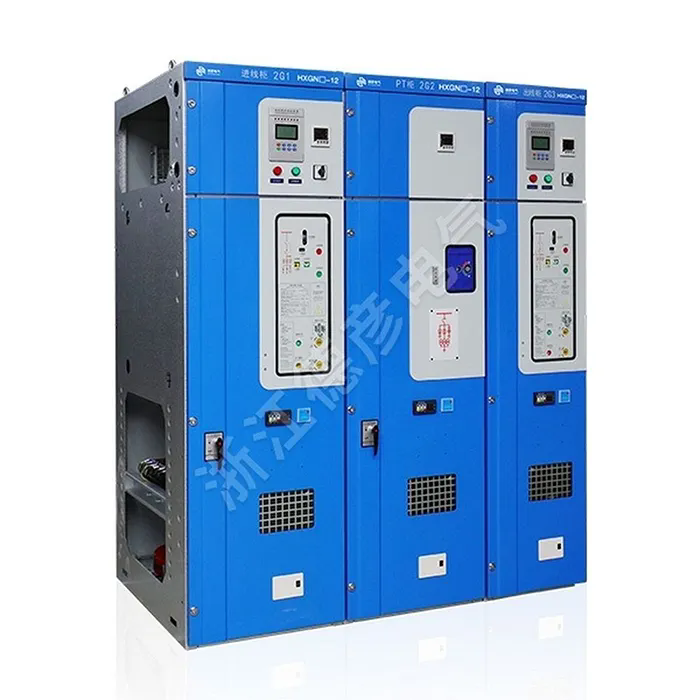
Table of Contents
- Introduction
- Key Features of Air-Insulated Compact Switchgear
- Advantages of Using AICS
- Installation Considerations
- Maintenance Tips
- Comparison with Other Switchgear Types
- Frequently Asked Questions (FAQ)
- Conclusion
Introduction
In modern electrical distribution systems, reliability, safety, and space efficiency are key factors. Air-Insulated Compact Switchgear (AICS) addresses these needs by providing a compact, modular, and highly secure solution for medium-voltage applications. Unlike traditional switchgear, AICS combines advanced insulation technology with a smaller footprint, making it ideal for commercial, industrial, and utility installations.
Key Features of Air-Insulated Compact Switchgear
- Compact Design: Reduces space requirements while maintaining high performance.
- High Safety Standards: Enhanced insulation and arc-proof design to protect personnel and equipment.
- Modular Construction: Facilitates easy expansion and customization for varying power needs.
- Reliable Performance: Designed for continuous operation under challenging environmental conditions.
- Remote Monitoring Capabilities: Supports smart grid integration and real-time monitoring.
Advantages of Using AICS
The adoption of Air-Insulated Compact Switchgear provides several benefits:
| Benefit | Explanation |
|---|---|
| Space Efficiency | Compact design allows installation in areas with limited space without compromising functionality. |
| Safety | Arc-proof and insulated structure minimizes the risk of electrical accidents. |
| Scalability | Modular design supports future expansion as power demand grows. |
| Cost Savings | Reduced installation and maintenance costs due to simplified structure and high reliability. |
| Low Environmental Impact | Air insulation eliminates the need for oil, reducing environmental hazards. |
Installation Considerations
Proper installation of AICS ensures maximum performance and longevity. Key considerations include:
- Site Preparation: Ensure a clean, dry, and ventilated space for installation.
- Foundation and Leveling: Properly align and secure the switchgear to prevent mechanical stress.
- Electrical Connections: Follow manufacturer guidelines for busbar and cable connections.
- Grounding: Implement a robust grounding system to ensure safety and reduce electrical noise.
- Testing and Commissioning: Perform insulation resistance tests and functional checks before operation.
Maintenance Tips
Regular maintenance is essential for safe and efficient operation. Recommended practices include:
- Periodic visual inspection for dust, moisture, and physical damage.
- Checking all mechanical connections and tightening loose components.
- Functional testing of protective relays and circuit breakers.
- Monitoring temperature and humidity to prevent insulation degradation.
- Documenting all maintenance activities for compliance and future reference.
Comparison with Other Switchgear Types
Here is a quick comparison of Air-Insulated Compact Switchgear versus other medium-voltage solutions:
| Feature | Air-Insulated Compact Switchgear | Gas-Insulated Switchgear | Oil-Insulated Switchgear |
|---|---|---|---|
| Footprint | Small | Smaller | Large |
| Maintenance | Low | Moderate | High |
| Safety | High | High | Moderate |
| Environmental Risk | Low | Moderate (due to SF6 gas) | High (oil spills possible) |
Frequently Asked Questions (FAQ)
Q1: What voltage levels are suitable for Air-Insulated Compact Switchgear?
A1: AICS is typically designed for medium-voltage applications ranging from 3.3 kV to 36 kV, suitable for commercial and industrial distribution networks.
Q2: Can AICS be integrated with smart monitoring systems?
A2: Yes, modern AICS units support remote monitoring, digital control, and smart grid integration for improved operational efficiency.
Q3: How does AICS improve safety compared to traditional switchgear?
A3: Its arc-proof design, air insulation, and compartmentalized structure significantly reduce risks to personnel and equipment during faults.
Q4: What are the maintenance intervals for AICS?
A4: Routine inspections are recommended every 6-12 months, while more detailed maintenance may be performed every 3-5 years depending on operational conditions.
Conclusion
Air-Insulated Compact Switchgear represents a practical, safe, and efficient solution for modern power distribution systems. Its compact design, high safety standards, modularity, and ease of maintenance make it ideal for businesses aiming to optimize their electrical infrastructure. By selecting the right AICS, companies can enhance reliability, reduce operational risks, and future-proof their installations.
For high-quality Air-Insulated Compact Switchgear solutions, Deyan Electric offers expert guidance and products designed to meet your power distribution needs. Contact us today to discuss how we can help optimize your electrical systems.