

How Does an AC Contactor Work?
2026-06-12
AC contactors are among the most important switching devices used in industrial automation, power distribution systems, HVAC equipment, manufacturing machinery, and commercial electrical installations. Despite their widespread application, many engineers, technicians, and purchasing managers still face challenges when selecting, operating, and maintaining AC contactors effectively.
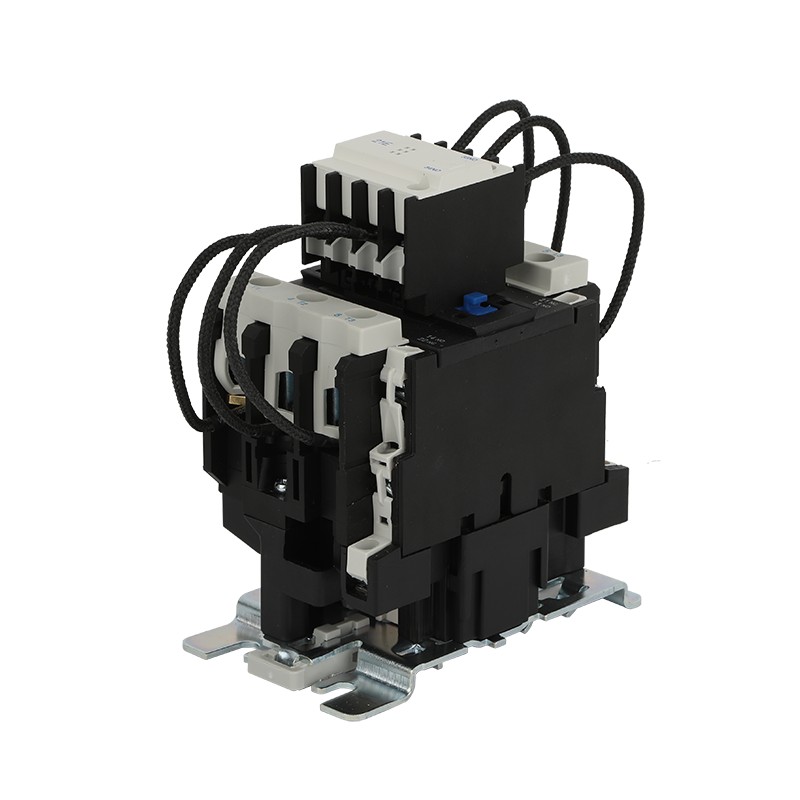
An improperly selected contactor can lead to overheating, frequent failures, equipment downtime, increased maintenance costs, and even safety hazards. Understanding how an AC contactor works and how to choose the right model can significantly improve system reliability and operational efficiency.
In this guide, we will explain the working principle of AC contactors, their major components, advantages, applications, selection criteria, common problems, and maintenance practices. Whether you are designing a new electrical system or upgrading existing equipment, this article will help you make informed decisions.
Article Summary
- Learn the operating principle of an AC contactor.
- Understand the main components and their functions.
- Discover common industrial applications.
- Compare AC contactors with relays and circuit breakers.
- Explore key selection factors for reliable performance.
- Identify common issues and practical maintenance solutions.
Table of Contents
- What Is an AC Contactor?
- How Does an AC Contactor Work?
- Main Components of an AC Contactor
- Common Applications
- AC Contactor vs Relay vs Circuit Breaker
- How to Select the Right AC Contactor
- Common Problems and Solutions
- Maintenance Best Practices
- Why Choose Geyue Electric?
- FAQ
What Is an AC Contactor?
An AC contactor is an electrically controlled switching device designed to connect and disconnect power circuits repeatedly. It is primarily used for controlling high-current loads such as electric motors, compressors, pumps, lighting systems, transformers, and industrial machinery.
Unlike manual switches, AC contactors allow remote operation through a control circuit. When energized, the contactor closes its contacts and permits current flow to the load. When de-energized, the contacts open and interrupt the power supply.
Because AC contactors are built for frequent switching operations, they offer higher durability and electrical endurance compared with conventional switches.
How Does an AC Contactor Work?
The operation of an AC contactor is based on electromagnetic attraction.
- The control circuit supplies voltage to the contactor coil.
- The energized coil generates a magnetic field.
- The magnetic field attracts the movable armature.
- The armature closes the main contacts.
- Electrical power flows from the source to the load.
- When coil power is removed, spring force returns the armature to its original position.
- The contacts open and disconnect the circuit.
This simple yet highly effective mechanism allows AC contactors to control large electrical loads using relatively low control voltages.
| Operating State | Coil Condition | Main Contacts | Load Status |
|---|---|---|---|
| OFF | De-energized | Open | No Power |
| ON | Energized | Closed | Powered |
Main Components of an AC Contactor
Understanding the major components helps users evaluate product quality and performance.
| Component | Function |
|---|---|
| Coil | Generates electromagnetic force |
| Armature | Moves under magnetic attraction |
| Main Contacts | Switch high-current power circuits |
| Auxiliary Contacts | Provide signaling and control functions |
| Arc Chute | Suppresses electrical arcs during switching |
| Spring Mechanism | Returns contacts to their normal position |
| Housing | Provides insulation and protection |
High-quality contactors utilize advanced contact materials and efficient arc-extinguishing structures to improve service life and operational reliability.
Common Applications
AC contactors are used in virtually every sector involving electrical power control.
- Motor control centers
- Industrial automation systems
- HVAC equipment
- Water pumping stations
- Air compressors
- Power distribution panels
- Building management systems
- Renewable energy systems
- Generator control circuits
- Industrial manufacturing machinery
Because they can handle frequent switching cycles, AC contactors are especially valuable in environments where loads start and stop regularly throughout the day.
AC Contactor vs Relay vs Circuit Breaker
Many users confuse contactors with relays and circuit breakers. While all three devices are used in electrical systems, their functions differ significantly.
| Feature | AC Contactor | Relay | Circuit Breaker |
|---|---|---|---|
| Main Purpose | Power Switching | Signal Control | Protection |
| Current Capacity | High | Low to Medium | High |
| Frequent Operation | Excellent | Good | Limited |
| Arc Suppression | Advanced | Basic | Integrated |
| Overload Protection | No | No | Yes |
In many motor control systems, AC contactors work together with overload relays and circuit breakers to provide both control and protection.
How to Select the Right AC Contactor
Choosing the wrong contactor is one of the most common causes of premature equipment failure. Consider the following factors before purchasing.
- Rated Current: Match the load current requirements.
- Rated Voltage: Verify compatibility with system voltage.
- Coil Voltage: Ensure the control voltage matches the application.
- Load Type: Motor loads often require higher switching capability.
- Electrical Life: Evaluate expected switching frequency.
- Mechanical Life: Consider long-term operating cycles.
- Environmental Conditions: Temperature, humidity, dust, and vibration.
- Safety Standards: Verify compliance with applicable certifications.
Industrial users frequently oversize contactors slightly to accommodate starting currents and future expansion requirements.
Common Problems and Solutions
| Problem | Possible Cause | Recommended Solution |
|---|---|---|
| Coil Overheating | Incorrect voltage | Verify coil specifications |
| Contact Welding | Excessive current | Upgrade contactor rating |
| Excessive Noise | Loose armature | Inspect mechanical components |
| Frequent Failure | Improper sizing | Recalculate load requirements |
| Arc Damage | High switching stress | Check arc suppression system |
Routine inspection can identify these issues before they result in costly downtime.
Maintenance Best Practices
Preventive maintenance extends equipment life and improves system reliability.
- Inspect contacts regularly for wear.
- Check terminal tightness.
- Remove dust and contaminants.
- Monitor operating temperature.
- Verify coil voltage stability.
- Replace damaged arc chutes promptly.
- Test auxiliary contacts periodically.
- Follow manufacturer maintenance intervals.
Facilities that implement regular inspection programs often achieve significantly longer contactor service life and lower maintenance costs.
Why Choose Geyue Electric?
Geyue Electric specializes in providing reliable electrical components designed for modern industrial and commercial applications. The company's AC contactor solutions are engineered to deliver dependable switching performance, excellent electrical endurance, and stable operation under demanding conditions.
With a focus on quality manufacturing, strict testing procedures, and continuous product improvement, Geyue Electric supports customers across multiple industries, including automation, power distribution, HVAC systems, renewable energy projects, and industrial machinery.
Whether you require standard configurations or customized solutions, Geyue Electric is committed to helping customers achieve safe, efficient, and long-lasting electrical control systems.
FAQ
Q1: What is the primary purpose of an AC contactor?
An AC contactor is used to switch high-current electrical loads remotely and safely through a low-voltage control circuit.
Q2: Can an AC contactor protect against overloads?
No. AC contactors are switching devices. Overload protection typically requires an overload relay or circuit breaker.
Q3: How long does an AC contactor last?
Service life depends on operating conditions, switching frequency, load type, and maintenance practices. High-quality contactors can achieve millions of mechanical operations.
Q4: What causes contactor failure?
Common causes include overcurrent, incorrect coil voltage, poor maintenance, excessive switching frequency, and harsh environmental conditions.
Q5: How do I choose the correct contactor size?
Selection should be based on load current, operating voltage, application category, starting current requirements, and environmental conditions.
Conclusion
AC contactors play a critical role in modern electrical systems by enabling safe, efficient, and reliable control of high-power loads. Understanding their operating principles, components, applications, and maintenance requirements can help reduce downtime, improve safety, and maximize equipment performance.
If you are looking for dependable AC contactor solutions backed by professional technical support and proven manufacturing expertise, Geyue Electric is ready to assist. Our team can help you select the right product for your specific application and provide customized recommendations to meet your project requirements. Contact us today to discuss your needs and discover how Geyue Electric can support your next electrical control project.