

How Does an AC Surge Protector Protect Your Electrical System and Equipment?
2026-06-01
Power surges are one of the most common yet overlooked threats to modern electrical systems. Whether caused by lightning strikes, utility grid switching, equipment startup loads, or internal electrical faults, voltage surges can damage sensitive electronics, shorten equipment lifespan, and lead to costly downtime.
An AC Surge Protector serves as the first line of defense against these transient overvoltages. By diverting excess electrical energy away from critical equipment, it helps maintain system stability, improves operational reliability, and protects valuable investments.
This guide explains how AC surge protectors work, why they are essential, where they should be installed, and how to select the right solution for your application.
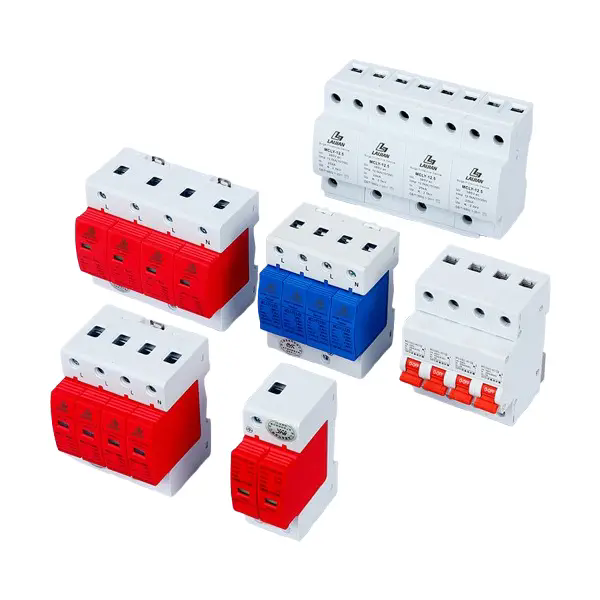
Table of Contents
- What Is an AC Surge Protector?
- Why Do Power Surges Occur?
- How Does an AC Surge Protector Work?
- Main Components Inside an AC Surge Protector
- Key Benefits of Using AC Surge Protectors
- Common Applications
- Types of AC Surge Protectors
- How to Choose the Right AC Surge Protector
- Installation Best Practices
- Maintenance and Inspection Tips
- Comparison Table
- Frequently Asked Questions
- Conclusion
What Is an AC Surge Protector?
An AC Surge Protector is a protective device designed to shield electrical systems and connected equipment from temporary voltage spikes. These spikes typically last only microseconds, but they can carry enough energy to damage circuit boards, control systems, communication devices, and industrial equipment.
When a surge occurs, the protector rapidly detects the abnormal voltage and redirects excess current safely to the grounding system before it reaches sensitive equipment.
AC surge protectors are widely used in:
- Industrial facilities
- Commercial buildings
- Residential properties
- Solar power systems
- Data centers
- Telecommunication infrastructure
- Power distribution systems
Why Do Power Surges Occur?
Many people associate electrical surges only with lightning strikes, but surges can originate from numerous sources.
External Causes:
- Lightning strikes near power lines
- Utility grid switching operations
- Transformer switching events
- Power restoration after outages
Internal Causes:
- Motor startup and shutdown
- HVAC systems
- Industrial machinery
- Elevators and pumps
- Variable frequency drives
- Large inductive loads
Research has shown that a significant percentage of damaging surges actually originate from inside a facility, making surge protection necessary even in areas with low lightning activity.
How Does an AC Surge Protector Work?
The primary function of an AC Surge Protector is to monitor voltage continuously and respond instantly when abnormal voltage conditions occur.
Under normal operating conditions, the surge protector remains inactive and allows electricity to flow normally through the system.
When voltage exceeds the designated protection threshold:
- The surge protector detects the abnormal voltage rise.
- Internal protective components become conductive.
- Excess surge energy is diverted to the grounding system.
- Voltage returns to a safe operating level.
- The protector resumes standby mode.
This entire process occurs within nanoseconds or microseconds, helping prevent damage before connected equipment can be affected.
Main Components Inside an AC Surge Protector
Several technologies are commonly used inside surge protection devices.
| Component | Function |
|---|---|
| Metal Oxide Varistor (MOV) | Clamps excessive voltage and absorbs surge energy. |
| Gas Discharge Tube (GDT) | Provides high-energy surge diversion. |
| Thermal Disconnect Device | Prevents overheating and enhances safety. |
| Status Indicator | Shows operational condition of the device. |
| Fuse Protection | Provides backup protection during fault conditions. |
High-quality surge protection devices often combine multiple technologies to achieve higher reliability and longer service life.
Key Benefits of Using AC Surge Protectors
Installing a properly selected surge protector delivers multiple advantages.
- Protects Sensitive Equipment
- Reduces Downtime
- Extends Equipment Lifespan
- Lowers Maintenance Costs
- Improves System Reliability
- Enhances Safety
- Protects Critical Data and Communication Networks
For industrial facilities, even a single avoided equipment failure can justify the investment in surge protection.
Common Applications
AC Surge Protectors are utilized across numerous industries and installations.
| Industry | Typical Protected Equipment |
|---|---|
| Manufacturing | PLCs, automation systems, drives |
| Solar Energy | Inverters, combiner boxes, monitoring systems |
| Telecommunications | Network switches, communication equipment |
| Commercial Buildings | HVAC systems, security systems, servers |
| Data Centers | Servers, storage devices, UPS systems |
| Residential Buildings | Home electronics and appliances |
Types of AC Surge Protectors
Different installation locations require different levels of protection.
| Type | Installation Location | Main Purpose |
|---|---|---|
| Type 1 | Service entrance | Protection against direct lightning surges |
| Type 2 | Distribution panel | Protection against switching surges and indirect lightning |
| Type 3 | Point-of-use equipment | Protection for sensitive electronics |
Many facilities implement a coordinated protection strategy that combines multiple surge protection levels for maximum effectiveness.
How to Choose the Right AC Surge Protector
Selecting the appropriate surge protector requires evaluating several technical factors.
Important Considerations:
- System voltage rating
- Maximum discharge current capacity
- Nominal discharge current
- Voltage protection level
- Response time
- Short-circuit withstand capability
- Compliance with applicable standards
- Environmental conditions
Choosing an undersized device may result in premature failure, while selecting the correct specification ensures long-term performance.
Installation Best Practices
Proper installation is just as important as selecting the right surge protector.
- Install as close as possible to the protected equipment.
- Keep conductor lengths short.
- Ensure a low-resistance grounding system.
- Follow manufacturer wiring recommendations.
- Verify compatibility with system voltage.
- Use coordinated protection levels when necessary.
Poor grounding or excessive wiring lengths can significantly reduce surge protection effectiveness.
Maintenance and Inspection Tips
Although surge protectors require minimal maintenance, periodic inspection helps ensure continued protection.
- Check visual status indicators regularly.
- Inspect wiring connections.
- Verify grounding integrity.
- Replace devices showing failure indicators.
- Conduct routine electrical system inspections.
- Review protection performance after major surge events.
Preventive maintenance reduces the risk of unnoticed protection degradation.
Quick Comparison of Surge Protection Levels
| Protection Level | Protection Strength | Recommended Location |
|---|---|---|
| Primary Protection | Very High | Main power entrance |
| Secondary Protection | High | Distribution panels |
| Point-of-Use Protection | Targeted | Sensitive electronic equipment |
Frequently Asked Questions
Q1: Can an AC Surge Protector stop lightning damage completely?
No device can guarantee complete protection from a direct lightning strike. However, a properly designed surge protection system can significantly reduce damage risk.
Q2: How long does an AC Surge Protector last?
Service life depends on surge frequency and intensity. Quality devices can provide years of reliable protection under normal operating conditions.
Q3: Is surge protection necessary if I already have a circuit breaker?
Yes. Circuit breakers protect against overloads and short circuits, while surge protectors specifically address transient overvoltages.
Q4: Can surge protectors be used in industrial environments?
Absolutely. Industrial facilities often require higher-capacity surge protection because of large equipment and frequent switching operations.
Q5: What happens when a surge protector reaches the end of its service life?
Many modern devices include status indicators or remote monitoring contacts that signal when replacement is required.
Conclusion
Electrical surges are an unavoidable reality in modern power systems. Without proper protection, even a brief transient event can damage expensive equipment, interrupt operations, and generate significant repair costs.
An AC Surge Protector provides a fast and effective defense against voltage spikes by safely diverting excess energy away from critical equipment. Whether protecting industrial automation systems, renewable energy installations, commercial facilities, or residential electrical networks, surge protection remains an essential part of a reliable electrical infrastructure.
As a trusted manufacturer of surge protection solutions, Laijian offers reliable AC surge protection products designed for demanding applications and long-term performance. If you need assistance selecting the right protection solution for your project, contact us today to discuss your requirements and discover how Laijian can help safeguard your electrical systems with professional surge protection expertise.