

How Does an Atlas Air Compressor Improve Industrial Efficiency?
2026-06-02
Summary: Atlas air compressors are a cornerstone in modern industrial operations, offering reliable performance, energy efficiency, and long-term durability. This article explores how Atlas air compressors work, their advantages, maintenance tips, and solutions to common customer pain points, ensuring optimal performance in demanding environments.
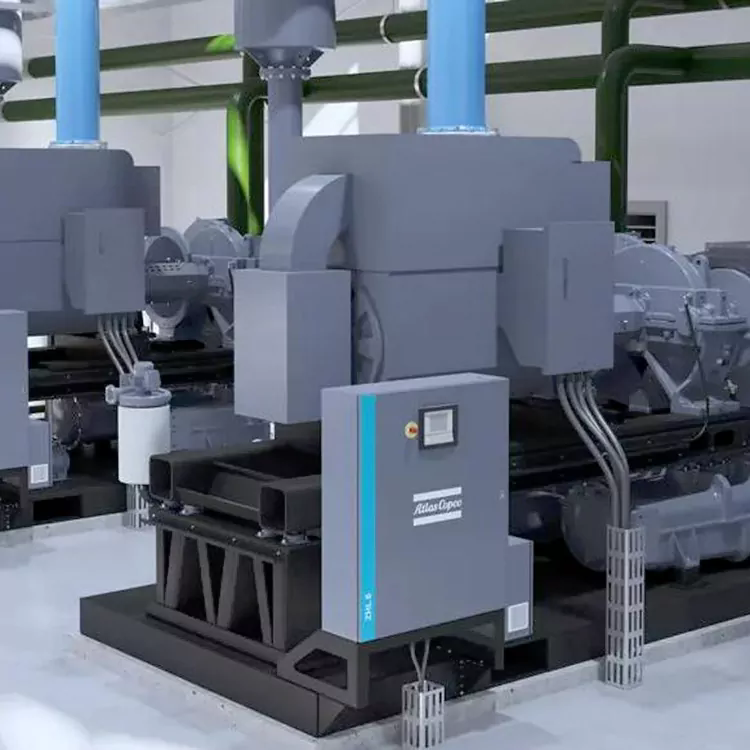
Table of Contents
- Introduction to Atlas Air Compressors
- Working Principle of Atlas Air Compressors
- Key Benefits for Industrial Use
- Maintenance Tips for Longevity
- Troubleshooting Common Issues
- Frequently Asked Questions
- Conclusion
Introduction to Atlas Air Compressors
Atlas air compressors are widely recognized for their robust performance in industrial settings. Whether you are in manufacturing, automotive, or construction industries, reliable compressed air systems are critical. Atlas air compressors offer consistent air delivery, energy efficiency, and a variety of configurations to meet specific operational requirements.
- High durability and minimal downtime
- Energy-efficient designs that reduce operational costs
- Flexible configurations for diverse industrial applications
These compressors have been engineered with advanced technology to ensure high performance, making them a preferred choice for companies seeking reliable air compression solutions.
Working Principle of Atlas Air Compressors
The Atlas air compressor operates on a simple yet effective principle: it converts mechanical energy into compressed air. There are primarily two types of compressors in this category:
- Rotary Screw Compressors: Use interlocking screws to compress air efficiently, ideal for continuous operation.
- Piston Compressors: Utilize reciprocating pistons to pressurize air, suitable for intermittent use and smaller-scale operations.
The key components include:
| Component | Function |
|---|---|
| Motor | Drives the compressor for mechanical energy conversion |
| Air End | Compresses the air through rotary or reciprocating motion |
| Cooler | Reduces the temperature of compressed air to prevent damage |
| Control System | Monitors pressure, temperature, and operational efficiency |
By understanding the working principle, operators can better optimize their compressor usage and prevent unnecessary downtime.
Key Benefits for Industrial Use
Atlas air compressors offer several advantages that directly address industrial pain points:
- Energy Efficiency: Advanced motors and precision engineering reduce electricity costs.
- Durability: High-quality components ensure long service life even under heavy usage.
- Low Maintenance: Modular designs simplify service and spare parts replacement.
- Quiet Operation: Reduced noise levels improve workplace conditions.
- Scalability: Systems can be expanded or upgraded without major downtime.
These benefits make Atlas compressors an essential investment for operations where reliability and efficiency are non-negotiable.
Maintenance Tips for Longevity
To maintain optimal performance, regular maintenance is essential. Common practices include:
- Check and replace air filters every 3-6 months
- Monitor oil levels and quality for lubricated compressors
- Inspect and clean cooling systems to prevent overheating
- Check belts and couplings for wear and tension
- Schedule annual professional servicing for critical components
Following these maintenance practices not only extends the compressor’s life but also ensures consistent air quality for your applications.
Troubleshooting Common Issues
Even reliable systems can encounter issues. Here’s how to address some common problems:
| Issue | Possible Cause | Solution |
|---|---|---|
| Low Air Pressure | Clogged air filter or leaks in piping | Replace filter, check and seal leaks |
| Excessive Noise | Loose components or worn bearings | Tighten screws, replace bearings if needed |
| Overheating | Poor ventilation or dirty coolers | Clean coolers, ensure proper airflow |
| Frequent Motor Shutdown | Electrical issues or overload | Inspect wiring, reduce load, consult technician |
Frequently Asked Questions
Q1: What industries benefit most from Atlas air compressors?
A: Manufacturing, automotive, construction, and food processing industries gain significant efficiency improvements.
Q2: How often should the compressor be serviced?
A: Routine maintenance is recommended every 3-6 months, with professional servicing annually.
Q3: Are Atlas compressors energy-efficient?
A: Yes, they are designed with advanced motors and precision components to minimize electricity consumption.
Q4: Can I expand the compressor system in the future?
A: Absolutely. Modular designs allow for scalable solutions to meet growing operational demands.
Conclusion
Investing in an Atlas air compressor ensures reliable, efficient, and long-lasting performance for industrial operations. By understanding its working principles, leveraging key benefits, performing routine maintenance, and addressing common issues proactively, businesses can maximize productivity and minimize downtime.
For tailored solutions and professional support, Dechuan offers a full range of Atlas air compressors and expert guidance. Contact us today to optimize your compressed air system and achieve peak industrial performance.