

How Does an Electrical Control Cabinet Improve Industrial Automation and Equipment Performance?
2026-08-05
Article Summary
An Electrical Control Cabinet is a critical component in modern industrial automation systems, providing centralized control, protection, and management for electrical equipment. From water treatment facilities and pumping stations to manufacturing plants and infrastructure projects, a reliable control cabinet helps improve operational efficiency, reduce downtime, and ensure safer equipment operation.
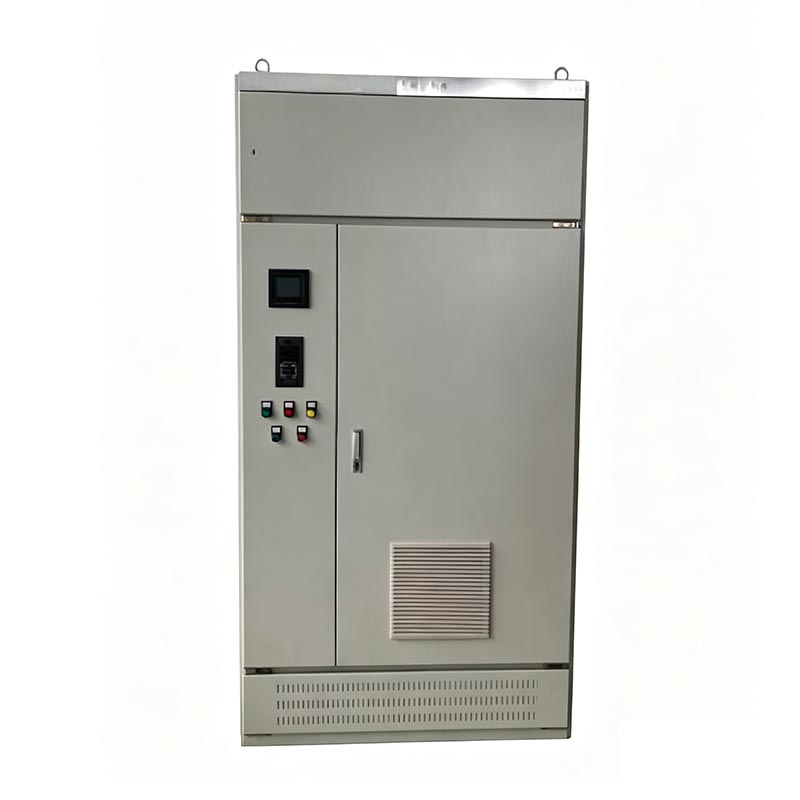
This article explains how an Electrical Control Cabinet works, why it is essential for industrial applications, what challenges businesses commonly face when selecting control solutions, and how professional manufacturers such as AOTE TIANJIN PUMP CO., LTD. provide customized solutions to meet different engineering requirements.
Table of Contents
- 1. What Is an Electrical Control Cabinet?
- 2. How Does an Electrical Control Cabinet Work?
- 3. Why Is an Electrical Control Cabinet Important for Industrial Applications?
- 4. What Are the Main Components Inside an Electrical Control Cabinet?
- 5. How to Choose the Right Electrical Control Cabinet for Your Project?
- 6. Common Challenges and Solutions When Using Electrical Control Cabinets
- 7. Applications of Electrical Control Cabinets in Different Industries
- 8. How AOTE TIANJIN PUMP CO., LTD. Supports Reliable Control Solutions
- 9. Frequently Asked Questions About Electrical Control Cabinets
Article Outline
- Understanding the function and value of Electrical Control Cabinets
- Explaining internal structure and operating principles
- Identifying customer pain points and practical solutions
- Guiding users in selecting suitable control equipment
- Introducing industrial applications and professional solutions
1. What Is an Electrical Control Cabinet?
An Electrical Control Cabinet is an integrated electrical enclosure designed to manage, monitor, and protect electrical systems and industrial equipment. It combines electrical components, control devices, protection units, and automation systems into a single organized structure.
Instead of operating machines manually, industries can use an Electrical Control Cabinet to achieve automatic control, intelligent monitoring, and efficient equipment management. It acts as the connection center between power supply systems, motors, sensors, controllers, and industrial machinery.
For industries that depend on continuous operation, such as water supply systems, wastewater treatment plants, chemical processing facilities, and manufacturing lines, the stability of the control cabinet directly affects productivity and equipment lifespan.
2. How Does an Electrical Control Cabinet Work?
The working principle of an Electrical Control Cabinet is based on receiving signals, processing information, and controlling connected equipment. When sensors or external devices send operational data, the control system analyzes the information and sends instructions to electrical components.
The basic operating process includes several stages:
- Power Distribution: The cabinet receives electrical power and distributes it safely to different equipment.
- Signal Collection: Sensors and monitoring devices provide real-time information about system conditions.
- Data Processing: Controllers such as PLC systems analyze input signals and determine appropriate actions.
- Equipment Control: Switches, relays, frequency converters, and other devices adjust machine operation.
- Protection Management: Safety components help prevent overload, short circuits, and abnormal operating conditions.
This automatic control process reduces human intervention and improves the reliability of industrial operations.
3. Why Is an Electrical Control Cabinet Important for Industrial Applications?
Industrial equipment often requires precise control and stable power management. Without an efficient control system, companies may experience unexpected shutdowns, energy waste, and increased maintenance costs.
An advanced Electrical Control Cabinet provides several important benefits:
- Improved Operational Efficiency: Automated control reduces unnecessary manual operations and increases production efficiency.
- Enhanced Safety: Protective devices help prevent electrical failures and equipment damage.
- Reduced Maintenance Costs: Real-time monitoring allows operators to identify potential problems before serious failures occur.
- Better Energy Management: Intelligent control systems optimize motor operation and reduce energy consumption.
- Flexible Expansion: Customized cabinets can be upgraded according to future project requirements.
For businesses managing large-scale industrial systems, selecting a dependable Electrical Control Cabinet is an important investment for long-term performance.
4. What Are the Main Components Inside an Electrical Control Cabinet?
A well-designed Electrical Control Cabinet contains multiple electrical and automation components that work together. The configuration depends on the application requirements, but common components include:
- Power supply units
- Circuit breakers and protection devices
- Contactors and relays
- Programmable Logic Controllers (PLC)
- Variable Frequency Drives (VFD)
- Terminal blocks
- Human Machine Interface (HMI) screens
- Cooling and ventilation systems
- Monitoring and communication modules
The arrangement and quality of these components influence system reliability. Professional design helps ensure proper wiring, heat management, easy maintenance, and safe operation.
5. How to Choose the Right Electrical Control Cabinet for Your Project?
Choosing an Electrical Control Cabinet requires careful consideration of application conditions, equipment requirements, and future operational needs. A suitable cabinet should not only meet current demands but also provide reliable performance over time.
Important factors to consider include:
- Application Environment: Consider temperature, humidity, dust levels, and installation location.
- Control Requirements: Determine whether basic control, automatic operation, or intelligent monitoring is needed.
- Power Capacity: Select electrical specifications according to connected equipment loads.
- Protection Level: Choose suitable enclosure protection according to environmental conditions.
- Customization Capability: Different projects may require unique layouts and control functions.
Working with an experienced manufacturer helps avoid compatibility issues and ensures that the control cabinet matches the entire system.
6. Common Challenges and Solutions When Using Electrical Control Cabinets
Many industrial users encounter challenges after installing electrical control systems. Understanding these problems can help improve equipment reliability.
-
Problem: Excessive Heat Inside the Cabinet
Solution: Proper ventilation design, cooling systems, and component arrangement can improve heat dissipation. -
Problem: Frequent Electrical Failures
Solution: High-quality components and professional circuit protection reduce failure risks. -
Problem: Difficult Maintenance
Solution: Organized wiring layouts and clear labeling make inspection and repair easier. -
Problem: Limited System Expansion
Solution: Customized designs allow additional modules and functions to be integrated in the future.
7. Applications of Electrical Control Cabinets in Different Industries
Electrical Control Cabinets are widely used across various industries where automatic operation and reliable control are required.
- Water Treatment: Control pumps, valves, filtration systems, and monitoring equipment.
- Industrial Manufacturing: Manage production lines, motors, and automated machinery.
- Agricultural Irrigation: Provide automatic control for pumping and water distribution systems.
- Building Systems: Control ventilation, water supply, and energy management equipment.
- Infrastructure Projects: Support reliable operation of public utility systems.
The flexibility of Electrical Control Cabinets makes them suitable for both simple equipment control and complex industrial automation systems.
8. How AOTE TIANJIN PUMP CO., LTD. Supports Reliable Control Solutions
AOTE TIANJIN PUMP CO., LTD. focuses on providing professional pumping equipment and related control solutions for industrial and engineering applications. With practical experience in pump systems, the company understands that stable electrical control is essential for achieving efficient and reliable equipment performance.
The Electrical Control Cabinet solutions provided by AOTE TIANJIN PUMP CO., LTD. are designed according to different project requirements, helping customers achieve accurate control, improved safety, and convenient operation.
By combining suitable electrical components, practical engineering design, and application-focused solutions, AOTE TIANJIN PUMP CO., LTD. helps customers optimize their systems and reduce operational challenges.
9. Frequently Asked Questions About Electrical Control Cabinets
Q1: What is the main function of an Electrical Control Cabinet?
An Electrical Control Cabinet manages power distribution, equipment control, automation processes, and safety protection for industrial systems.
Q2: Can an Electrical Control Cabinet be customized?
Yes. Electrical Control Cabinets can be customized according to voltage requirements, control methods, environmental conditions, and connected equipment.
Q3: How long can an Electrical Control Cabinet operate?
The service life depends on component quality, operating environment, maintenance practices, and installation conditions. Proper design and regular inspection help extend service life.
Q4: Why should industries use automatic control cabinets?
Automatic control cabinets improve efficiency, reduce manual operation, enhance safety, and provide better monitoring capabilities.
Q5: What industries need Electrical Control Cabinets?
Industries including water treatment, manufacturing, agriculture, infrastructure, and building management commonly use Electrical Control Cabinets.
Conclusion
An Electrical Control Cabinet plays a vital role in modern industrial systems by providing reliable power management, intelligent control, and equipment protection. Selecting the right control solution helps companies improve productivity, reduce downtime, and achieve safer operations.
With professional engineering experience and customized solutions, AOTE TIANJIN PUMP CO., LTD. is committed to helping customers build efficient and dependable control systems. For reliable Electrical Control Cabinet solutions designed for your specific application, please contact us today and discuss your project requirements with our professional team.