

How Does an Explosion Proof Switch Ensure Safety ?
2025-09-22
In environments where flammable gases, vapors, or dust are present, standard electrical components can pose significant risks. A simple spark from a switch could ignite a catastrophic explosion. This is where the Explosion Proof Switch plays an indispensable role. Engineered to contain any sparks or heat that could ignite surrounding hazards, these switches are not just devices for controlling electrical flow—they are safeguards of human life and infrastructure.
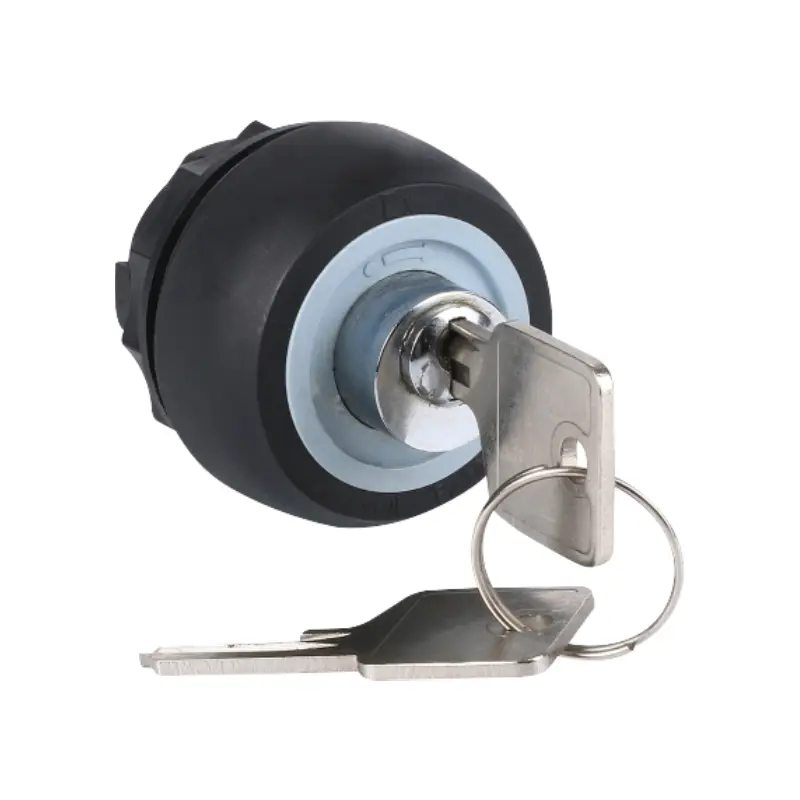
An Explosion Proof Switch is designed with robust housings that can withstand internal explosions and prevent them from propagating into the surrounding atmosphere. Unlike regular switches that emphasize convenience and compactness, explosion proof models prioritize safety, reliability, and compliance with strict international standards. They are most commonly used in industries such as oil and gas, chemical processing, marine, mining, and grain handling facilities, where flammable atmospheres are common.
Key to their function is the principle of flameproof enclosures: the switch is housed in a casing strong enough to contain any explosion, while carefully engineered joints dissipate gases without igniting the surrounding environment. This design transforms what could be a weak link in safety into a robust line of defense.
To better understand their technical foundation, here are the main product parameters often associated with explosion proof switches:
| Parameter | Specification |
|---|---|
| Material | Die-cast aluminum alloy, stainless steel, or copper-free alloy |
| Enclosure Standard | IECEx, ATEX, UL, CSA certified |
| Protection Rating | IP65, IP66, or higher |
| Temperature Class | T1 – T6 (depending on application) |
| Voltage Range | AC 110V / 220V / 380V / 690V, DC options available |
| Current Rating | 10A – 60A or higher depending on model |
| Cable Entry | Metric, NPT, or custom options |
| Switch Type | Toggle, rotary, push button, selector |
| Operating Temperature Range | -40°C to +60°C |
| Application Zone | Zone 1 & Zone 2 (gas), Zone 21 & Zone 22 (dust) |
This data shows why Explosion Proof Switches are vital. Every technical specification is tailored toward a singular purpose: ensuring safe, uninterrupted operation in hazardous locations.
How Are Explosion Proof Switches Applied in Different Industries?
The importance of explosion proof switches becomes clear when one considers the environments in which they operate. Their applications span multiple industries where safety cannot be compromised.
1. Oil and Gas
Oil refineries, offshore platforms, and gas processing plants are environments where hydrocarbons dominate. Explosion Proof Switches are integral to equipment such as pumps, compressors, and lighting systems, ensuring safe operations even when volatile gases are present.
2. Chemical Processing Plants
Chemicals ranging from solvents to acids often produce hazardous vapors. In such facilities, switches must not only withstand harsh atmospheres but also guarantee intrinsically safe control over complex processing systems.
3. Mining and Mineral Processing
Mines face unique hazards: flammable gases underground and combustible dust in surface operations. Explosion proof switches are widely used for ventilation systems, conveyor belts, and heavy machinery, where ignition risks must be tightly controlled.
4. Food and Grain Handling
Dust explosions in grain silos and flour mills are well-documented hazards. Explosion proof switches installed in conveyors, elevators, and storage facilities ensure that dust clouds never meet a spark source.
5. Marine and Offshore Applications
Ships and offshore platforms often deal with fuel vapors and salt-laden air. Switches with corrosion-resistant enclosures extend service life while preventing dangerous ignition events.
6. Power Generation and Utilities
Explosion proof switches protect power distribution systems in plants that handle coal dust, biomass, or volatile chemicals, ensuring uninterrupted electricity delivery under strict safety conditions.
By understanding their role across industries, it becomes clear that these switches are not just components but mission-critical assets in safety infrastructure.
How Do Explosion Proof Switches Contribute to Compliance, Safety, and Reliability?
Beyond functionality, explosion proof switches stand as a commitment to international compliance and human safety. The design of these switches addresses three major concerns for hazardous environments:
1. Compliance with Global Standards
Explosion proof switches must align with stringent certifications to be accepted worldwide. Common certifications include:
-
ATEX (Europe): Ensures safe operation in explosive atmospheres within the EU.
-
IECEx (International): Offers globally recognized certification for explosion proof equipment.
-
UL and CSA (North America): Validates compliance with U.S. and Canadian safety standards.
These certifications not only guarantee performance but also instill confidence for facility operators and regulators.
2. Protection of Human Life
At the heart of explosion proof technology is the prevention of injury and loss of life. The design ensures that even in the unlikely event of an internal fault, the danger is contained. Workers can operate systems with confidence, knowing their safety is prioritized.
3. Reliability in Harsh Conditions
Explosion proof switches are constructed with durability and resistance to environmental factors. Whether facing extreme temperatures, humidity, corrosive chemicals, or abrasive dust, these switches maintain functionality. Their ability to resist wear and tear translates into reduced downtime and higher productivity.
In environments where a single spark could lead to devastating consequences, explosion proof switches provide the assurance of uninterrupted and risk-free operations.
How Can Businesses Leverage Explosion Proof Switches for Growth and Safety Optimization?
Adopting explosion proof switches is not only about compliance—it is also about strategic business growth. Organizations that prioritize safety gain advantages in operational efficiency, workforce trust, and international competitiveness.
1. Operational Efficiency
Reliable switching means fewer breakdowns, less downtime, and reduced maintenance costs. Over time, the cost savings from durable explosion proof equipment outweigh initial investment costs.
2. Workforce Confidence and Productivity
When workers know their equipment is designed with their safety in mind, they operate with greater focus and efficiency. This confidence builds a strong safety culture within the organization.
3. Competitive Edge in International Markets
Businesses that implement certified explosion proof solutions position themselves as globally compliant, making it easier to expand into new regions where regulations demand stringent safety standards.
4. Support for Sustainability Goals
Explosion proof switches reduce accident risks, thereby minimizing material loss, downtime, and environmental contamination. This aligns with corporate sustainability strategies and environmental stewardship.
Frequently Asked Questions
Q1: How does an explosion proof switch actually prevent explosions?
An explosion proof switch contains sparks, heat, or flames within a strong enclosure. If an internal ignition occurs, the enclosure prevents the flames from escaping into the hazardous atmosphere. The specially designed joints cool and disperse gases, ensuring no ignition occurs outside the switch housing.
Q2: Where should explosion proof switches be installed?
They should be installed in any location classified as hazardous, such as Zone 1, Zone 2, Zone 21, or Zone 22, where flammable gases, vapors, or dust are present. Common sites include refineries, chemical plants, mines, grain silos, and offshore platforms. Installation must comply with local safety regulations and be performed by qualified professionals.
The role of the Explosion Proof Switch extends far beyond switching electrical currents—it is a lifeline for hazardous industries. By containing ignition sources and guaranteeing safe operations, it supports compliance, efficiency, and above all, the protection of human life.
For companies seeking reliability, durability, and internationally certified solutions, YXFB stands as a trusted partner in delivering explosion proof switches tailored for global markets. To explore how these switches can enhance your facility’s safety and operational efficiency, we invite you to contact us today for detailed specifications and tailored consultation.