

High-voltage electrical systems require dependable equipment for isolation, maintenance, switching coordination, and system management. Among the important components used in substations and distribution installations, the Indoor High Voltage Disconnector provides a visible and reliable means of electrical isolation when correctly selected and integrated into the overall switching system.
For electrical contractors, utility operators, industrial facility managers, engineering companies, and equipment purchasers, choosing a disconnector is not simply a matter of matching voltage. Rated voltage, current, insulation level, mechanical endurance, installation conditions, interlocking, operating mechanism, and system configuration all need to be considered.
This guide explains the working principle, major components, applications, selection considerations, installation practices, maintenance requirements, and common purchasing concerns associated with indoor high-voltage disconnectors.
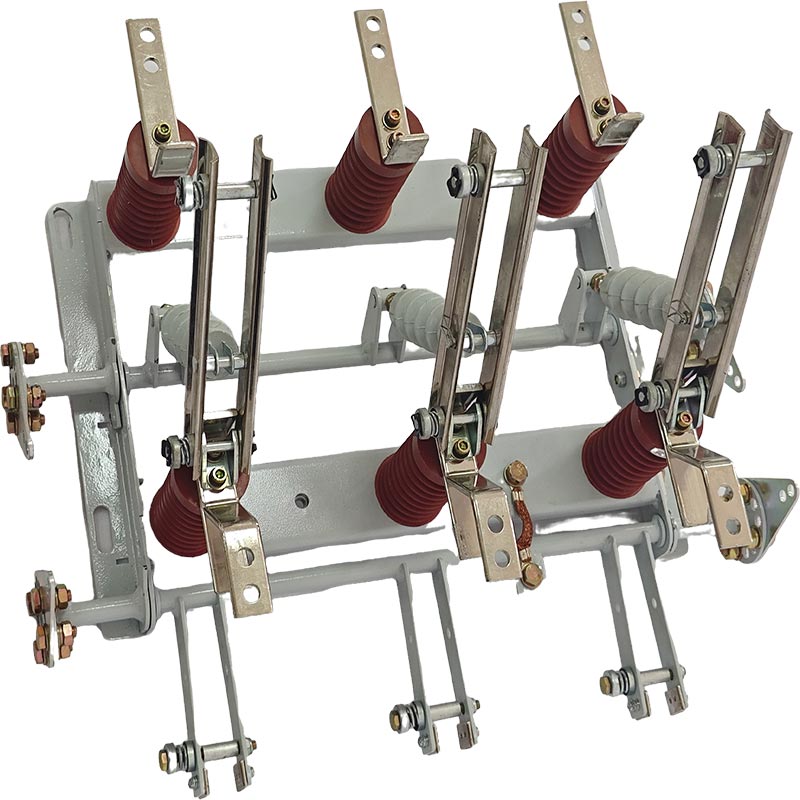
1. Understanding an Indoor High Voltage Disconnector
An Indoor High Voltage Disconnector is a switching device designed primarily to provide electrical isolation in high-voltage equipment and distribution systems. It is generally installed indoors, where environmental conditions such as temperature, humidity, dust, and available installation space can be controlled more closely than in outdoor installations.
A key characteristic of a disconnector is its ability to establish a clearly defined isolation condition. Depending on the design and applicable standard, the open position can provide a visible or otherwise verifiable separation of the electrical circuit.
Indoor high-voltage disconnectors may be integrated into switchgear, substations, distribution panels, transformer installations, industrial power systems, and other medium- or high-voltage electrical assemblies.
The exact voltage class and construction vary by product family. Therefore, users should confirm the applicable voltage, current, insulation, short-time withstand, and operating requirements before selecting a specific model.
2. How an Indoor High Voltage Disconnector Works
The fundamental function of a disconnector is straightforward: it creates a controlled open or closed connection within a high-voltage circuit. The engineering behind that simple movement, however, is critical because the device must maintain insulation performance and mechanical reliability under demanding electrical conditions.
Closed Position
When the disconnector is closed, its conductive contacts establish the intended electrical path. The contact system must provide sufficiently low resistance and maintain reliable electrical contact during normal operation.
Opening Operation
During an authorized isolation operation, the operating mechanism moves the contacts apart. The required opening distance and insulation characteristics depend on the equipment design and applicable technical requirements.
Isolation Condition
Once fully open, the disconnector provides an isolation condition that can be used as part of a safe maintenance procedure. Appropriate interlocking and operating procedures are essential to prevent incorrect switching sequences.
Grounding and Maintenance Coordination
In many high-voltage systems, isolation is followed by grounding procedures using separately designed earthing equipment. The exact sequence depends on the switchgear architecture, operating rules, and safety procedures of the installation.
A reliable system therefore depends not only on the disconnector itself but also on correct coordination among disconnectors, circuit breakers, earthing switches, interlocks, control systems, and protection equipment.
3. Main Components and Their Roles
An indoor high-voltage disconnector consists of several mechanical and electrical elements that work together to provide dependable switching and isolation.
Conductive Contacts
The contacts form the electrical connection when the device is closed. Contact design, material, surface condition, pressure, and alignment can influence electrical resistance and long-term reliability.
Insulating Components
Insulators provide the necessary electrical separation between energized components and grounded structures. Their dimensions and material characteristics are selected according to the equipment's insulation requirements.
Operating Mechanism
The operating mechanism transfers movement to the switching contacts. Depending on the product design, operation may be manual, motorized, or controlled through a mechanism integrated with the switchgear system.
Frame and Supporting Structure
The structural assembly maintains the position of conductive and insulating components. Mechanical rigidity is important because contact alignment and operating consistency can be affected by structural deformation or excessive vibration.
Interlocking Arrangement
Interlocking can prevent unsafe operating sequences. In a properly engineered system, mechanical and/or electrical interlocks may be used to coordinate the disconnector with associated circuit breakers or earthing equipment.
| Component | Primary Function | Why It Matters |
|---|---|---|
| Conductive contacts | Establish the electrical path | Reliable contact supports stable current conduction |
| Insulators | Provide electrical separation | Supports required insulation performance |
| Operating mechanism | Moves contacts between positions | Influences operating reliability and consistency |
| Supporting structure | Maintains component alignment | Supports mechanical stability |
| Interlocking system | Controls switching sequence | Helps prevent incorrect operations |
4. Key Benefits in High Voltage Systems
Clear Electrical Isolation
One of the most important benefits of a disconnector is providing a defined isolation point for maintenance and system management. This can make electrical system status easier to verify when the device is designed for visible or clearly identifiable isolation.
Reliable Switching Coordination
Disconnectors are commonly used together with circuit breakers and other switching equipment. This coordinated arrangement allows each device to perform the function for which it was designed.
Suitable for Compact Indoor Installations
Indoor equipment is often installed in switchgear rooms, substations, industrial electrical rooms, and compact distribution facilities. An indoor disconnector can be engineered around these controlled installation environments.
Mechanical Operating Reliability
A properly designed operating mechanism can provide repeatable movement of the contacts. This is particularly important in installations where switching operations must be performed accurately over an extended service period.
Integration With Modern Switchgear
Modern electrical systems increasingly require coordination between primary equipment and control or monitoring systems. Depending on the model, an indoor disconnector can be incorporated into a broader switchgear assembly with appropriate mechanical and electrical control arrangements.
| System Requirement | Disconnector Contribution |
|---|---|
| Maintenance isolation | Provides a defined isolation point |
| Switching coordination | Works with circuit breakers and other switching devices |
| Indoor installation | Designed for controlled indoor electrical environments |
| Operational consistency | Mechanical mechanism supports repeatable operation |
| System safety | Can form part of an engineered interlocking arrangement |
5. Typical Applications of Indoor High Voltage Disconnectors
Indoor high-voltage disconnectors are used in applications where electrical isolation and switching coordination are essential. The appropriate device depends on the system architecture and electrical ratings.
Substations
Substations use switching equipment to control and isolate sections of electrical networks. Disconnectors can provide isolation points around transformers, busbars, feeders, and other primary equipment as required by the system design.
Industrial Distribution Systems
Manufacturing plants, processing facilities, mining installations, and large commercial sites may operate medium- or high-voltage distribution systems. Indoor disconnectors can support planned maintenance and equipment isolation.
Transformer Installations
Transformer systems may require isolation on one or more sides depending on the electrical architecture. A correctly rated disconnector can provide a controlled isolation point when integrated according to the applicable system design.
Switchgear Assemblies
Disconnectors may form part of switchgear assemblies that include circuit breakers, busbars, instrument transformers, protection devices, and control equipment.
Power Distribution Facilities
Distribution facilities need dependable switching equipment to support system maintenance, operational flexibility, and controlled isolation. Indoor designs are especially useful where electrical equipment is installed inside dedicated rooms or cabinets.
6. How to Select the Right Indoor High Voltage Disconnector
Selecting an indoor high-voltage disconnector requires a system-level approach. Matching only the rated voltage can lead to an unsuitable choice because current, insulation, mechanical, and environmental conditions must also be considered.
Rated Voltage
The disconnector's rated voltage must be compatible with the electrical network. The equipment's insulation coordination should also be evaluated according to the applicable standard and system conditions.
Rated Normal Current
Rated current defines the continuous current the device is designed to carry under specified conditions. It should be selected according to the actual circuit and load requirements.
Short-Time Withstand Current
High-voltage equipment may be exposed to significant fault currents. The disconnector's short-time withstand and peak withstand capabilities must be coordinated with the prospective fault conditions of the installation.
Operating Mechanism
Determine whether manual or motorized operation is required. Automated substations and remotely controlled switchgear may require motor operation and suitable control interfaces.
Installation Dimensions
Available cabinet and switchgear space should be checked before purchasing. Confirm mounting dimensions, phase spacing, operating clearance, terminal arrangement, and connection orientation.
Interlocking Requirements
Interlocking requirements should be established at the system design stage. If the disconnector works alongside a circuit breaker or earthing switch, the required sequence must be reflected in the equipment configuration.
Applicable Standards
The selected product should comply with the applicable electrical equipment standards for the intended market and installation. Buyers should request technical documentation and test information relevant to the specified product.
7. Disconnector and Circuit Breaker Functions
One of the most common sources of confusion during procurement is treating disconnectors and circuit breakers as interchangeable products. They perform different primary functions and must be selected according to their intended role.
| Characteristic | Disconnector | Circuit Breaker |
|---|---|---|
| Primary purpose | Electrical isolation and permitted switching | Switching and interruption of fault or load currents according to rating |
| Visible isolation | Often a key design objective | Not its primary function |
| Fault interruption | Normally not intended for fault interruption | Designed for specified interruption duties |
| System relationship | Often coordinated with breakers and earthing switches | Often coordinated with protection systems and disconnectors |
| Typical role during maintenance | Provides isolation after the appropriate circuit is de-energized | Interrupts current as required before isolation procedures |
The two devices often work together rather than competing with each other. A circuit breaker may interrupt the current, after which a disconnector can establish the required isolation condition. The exact operating sequence depends on the switchgear design and safety procedures.
8. Installation and Commissioning Considerations
High-voltage installation requires qualified personnel, appropriate safety procedures, and compliance with local electrical regulations. The following points provide general planning guidance and do not replace the manufacturer's installation instructions.
Verify the Equipment Before Installation
- Confirm the model and electrical ratings against the approved design.
- Inspect the product for transport damage or missing components.
- Verify mounting dimensions and connection arrangements.
- Check that required accessories and operating mechanisms are available.
- Review the manufacturer's installation documentation.
Check Mechanical Alignment
Correct alignment is important for reliable contact operation. Mechanical misalignment can create excessive operating force, uneven contact pressure, or incomplete opening and closing.
Verify Electrical Connections
Primary connections, grounding arrangements, auxiliary circuits, and control wiring should be inspected according to the approved wiring diagrams. Connection torque values should follow the manufacturer's specifications.
Test Interlocking
Interlocking should be tested before the equipment enters normal service. The purpose is to verify that prohibited switching sequences cannot occur under the designed operating conditions.
Perform Functional Tests
Authorized commissioning personnel should verify opening and closing operation, position indication, auxiliary contacts, motor operation where applicable, and associated control functions.
9. Maintenance and Inspection
Preventive maintenance helps maintain switching reliability and allows developing problems to be identified before they result in operational interruptions. Maintenance intervals should follow the manufacturer's recommendations and the actual operating environment.
Inspect Contact Condition
Contact surfaces should be inspected according to the maintenance instructions. Signs of abnormal heating, oxidation, excessive wear, or contact damage may indicate a problem requiring further investigation.
Check Mechanical Movement
The operating mechanism should move smoothly and consistently. Unusual resistance, noise, incomplete travel, or inconsistent position indication should not be ignored.
Inspect Insulators
Insulating components should be checked for cracks, contamination, tracking, or other visible damage. Cleaning procedures should be compatible with the manufacturer's recommendations and the material of the insulator.
Review Connections
Electrical connections should be inspected for signs of overheating, looseness, corrosion, or mechanical damage. Any corrective work must be performed under appropriate isolation and safety procedures.
Maintain Accurate Records
Recording inspection dates, operating cycles, fault events, test results, and replacement components can make future maintenance more predictable and improve troubleshooting efficiency.
10. Common Purchasing and Application Problems
Problem: Selecting Only by Voltage
A product may have the correct voltage rating but still be unsuitable because its rated current, short-time withstand capability, installation dimensions, or operating mechanism does not meet the project requirements.
Solution: Evaluate the complete technical specification rather than relying on a single rating.
Problem: Ignoring Interlocking Requirements
Disconnectors frequently operate as part of a larger switchgear sequence. Failing to establish interlocking requirements early can lead to costly modifications later.
Solution: Define the complete switching sequence and coordinate the disconnector with all associated equipment during the design stage.
Problem: Incorrect Installation Space
High-voltage equipment requires appropriate clearances and mechanical space. An apparently suitable device may become difficult to install if the cabinet or switchgear compartment does not accommodate its dimensions and operating mechanism.
Solution: Confirm mechanical drawings and installation dimensions before finalizing the order.
Problem: Insufficient Technical Documentation
Missing technical documents can make installation, inspection, and maintenance more difficult.
Solution: Request the relevant product specifications, drawings, operating instructions, test documentation, and accessory information before procurement.
Problem: Treating the Disconnector as a Fault Interrupter
This is a particularly important application mistake. Unless specifically designed and rated for the required duty, a disconnector should not be used to interrupt fault current.
Solution: Use circuit breakers and other protective equipment for the functions for which they are designed, and follow the complete switching sequence established by the system designer.
11. Frequently Asked Questions
What is the main purpose of an Indoor High Voltage Disconnector?
Its primary purpose is to provide electrical isolation and permitted switching functions within a high-voltage system. It is commonly used to establish a defined isolation point for maintenance and system operation.
Can an Indoor High Voltage Disconnector interrupt fault current?
A conventional disconnector is generally not intended to interrupt fault current. Fault interruption is normally performed by appropriately rated circuit breakers or other dedicated switching equipment. Always verify the exact capabilities of the selected product.
Where are indoor high-voltage disconnectors commonly installed?
They can be installed in indoor substations, switchgear assemblies, industrial distribution systems, transformer installations, electrical rooms, and other high-voltage equipment where controlled isolation is required.
How should I determine the correct disconnector rating?
Consider rated voltage, rated normal current, insulation requirements, short-time and peak withstand requirements, operating conditions, mechanical configuration, and applicable standards. The complete system specification should be reviewed before selection.
Can the disconnector be motor operated?
Some designs support motorized operation. Whether motor operation is appropriate depends on the switchgear configuration, automation requirements, control voltage, operating frequency, and system design.
Why is interlocking important for a high-voltage disconnector?
Interlocking helps prevent prohibited switching sequences. When a disconnector works together with a circuit breaker or earthing switch, properly designed interlocking can support safer system operation.
What should be checked before installing an indoor disconnector?
Check the electrical ratings, approved drawings, mounting dimensions, insulation requirements, connection arrangement, operating mechanism, grounding provisions, control circuits, and interlocking system.
How often should an Indoor High Voltage Disconnector be maintained?
The appropriate maintenance interval depends on the product, operating frequency, environment, system importance, and manufacturer's recommendations. Periodic inspection should include mechanical movement, contacts, insulation, connections, and operating mechanisms as applicable.
What documents should I request from a supplier?
Depending on the project, useful documentation may include product specifications, dimensional drawings, wiring diagrams, installation instructions, operating instructions, test reports, and information about accessories and replacement parts.
Why should I work with an experienced high-voltage equipment supplier?
High-voltage switching equipment must be matched carefully to the electrical and mechanical requirements of the installation. An experienced supplier can help customers clarify technical specifications and avoid mismatches during procurement and integration.
12. Final Considerations for Indoor High Voltage Disconnector Selection
An Indoor High Voltage Disconnector is an important component of many high-voltage distribution and switchgear systems. Its primary value lies in providing dependable isolation and supporting an organized switching sequence within the larger electrical installation.
Selecting the right product requires careful attention to rated voltage, rated current, insulation level, short-time withstand capability, operating mechanism, mechanical dimensions, interlocking requirements, environmental conditions, and applicable standards.
Just as importantly, the disconnector must be treated as one part of a complete system. Circuit breakers, earthing switches, protection systems, control circuits, interlocks, and operating procedures all contribute to safe and reliable high-voltage operation.
Sangao provides high-voltage electrical equipment solutions for customers working on power distribution, industrial electrical systems, switchgear, and related applications. Understanding the actual project requirements before procurement can help customers achieve a better balance between electrical performance, installation requirements, operational reliability, and long-term maintenance.
Looking for an Indoor High Voltage Disconnector?
If your project requires an Indoor High Voltage Disconnector, accurate technical matching is the first step toward a reliable solution. The required voltage class, current rating, insulation level, operating mechanism, installation dimensions, interlocking arrangement, and system configuration should all be considered before final selection.
Sangao can provide product information and technical support for customers evaluating high-voltage switching equipment for different electrical applications.
Visit the Sangao inquiry page to learn more and discuss your project requirements with the team.
Need help identifying a suitable high-voltage isolation solution? Contact us today with your electrical ratings, installation requirements, and application details to discuss the right Indoor High Voltage Disconnector for your project.
Contact SangaoTechnical and safety note: High-voltage electrical equipment must be selected, installed, commissioned, operated, and maintained by appropriately qualified personnel in accordance with the manufacturer's instructions, applicable electrical standards, and local safety regulations. Product ratings and functions vary by model and should be verified from the applicable technical documentation.
