

How Does an Ingersoll Rand Air Compressor Improve Industrial Air Performance?
2026-08-20
Article Summary:
Compressed air is an essential power source for modern manufacturing, automotive service, construction, and many other industries. However, unstable air pressure, high energy consumption, frequent maintenance, and unexpected downtime remain major challenges for many businesses. An Ingersoll Rand Air Compressor provides reliable compressed air solutions designed to improve operational efficiency, reduce maintenance pressure, and support continuous production. This article explains how these compressors work, what advantages they provide, how to select the right model, and why businesses choose professional solutions from DECHUAN.
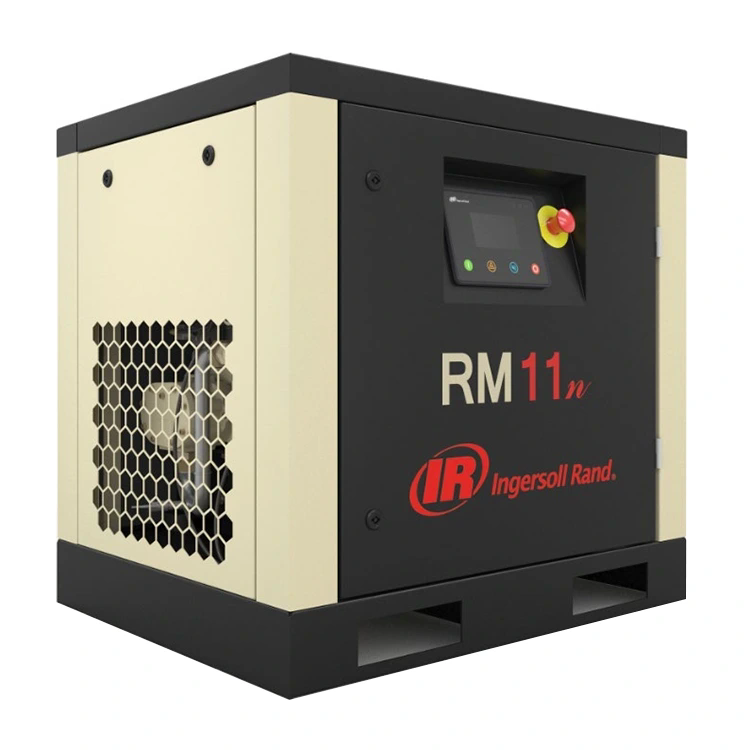
Table of Contents
- 1. What Is an Ingersoll Rand Air Compressor?
- 2. How Does an Ingersoll Rand Air Compressor Work?
- 3. What Advantages Does an Ingersoll Rand Air Compressor Offer?
- 4. How to Choose the Right Ingersoll Rand Air Compressor?
- 5. Where Are Ingersoll Rand Air Compressors Used?
- 6. How to Maintain an Ingersoll Rand Air Compressor?
- 7. Key Factors Comparison Table
- 8. Frequently Asked Questions
- 9. Conclusion
1. What Is an Ingersoll Rand Air Compressor?
An Ingersoll Rand Air Compressor is an industrial compressed air system designed to convert mechanical energy into pressurized air for different applications. These systems are widely used in manufacturing plants, workshops, energy projects, automotive industries, and process industries where stable and efficient air supply is required.
Compressed air systems are often considered the "fourth utility" in industrial environments because many production processes depend on reliable pneumatic power. From operating air tools and automation equipment to supporting large-scale manufacturing processes, the quality of compressed air directly affects productivity and product quality.
Modern air compressor solutions include different technologies such as reciprocating compressors, rotary screw compressors, oil-free compressors, and centrifugal compressors. Each type is designed for specific operating conditions, airflow requirements, and cleanliness standards.
According to industrial compressor solutions, Ingersoll Rand provides various compressor categories including reciprocating compressors, oil-flooded compressors, oil-free compressors, and centrifugal compressors to meet different industry requirements. :contentReference[oaicite:0]{index=0}
2. How Does an Ingersoll Rand Air Compressor Work?
Understanding how an air compressor operates helps businesses choose suitable equipment and avoid performance problems. The basic working principle involves several important stages.
- Air Intake: The compressor draws surrounding air through an inlet filter to remove unwanted particles.
- Compression Process: Internal components such as pistons, screws, or impellers compress air by reducing its volume.
- Pressure Storage: The compressed air is stored in a receiver tank or delivered directly to the production system.
- Air Distribution: The compressed air travels through pipelines to power different equipment.
- Control Management: Advanced control systems regulate pressure and energy consumption according to demand.
Different compressor technologies provide different operating advantages. For example, rotary screw compressors are suitable for continuous industrial operation, while reciprocating compressors are often used for intermittent applications requiring flexibility.
3. What Advantages Does an Ingersoll Rand Air Compressor Offer?
Choosing the right compressor can significantly influence production efficiency, operating costs, and equipment reliability. An Ingersoll Rand Air Compressor provides several important benefits.
Reliable Performance for Continuous Operations
Industrial production requires stable air pressure throughout the working cycle. Pressure fluctuations may interrupt automated systems, reduce tool performance, and affect product consistency.
High-quality compressor designs help maintain consistent airflow, allowing factories to operate smoothly with fewer interruptions.
Energy Efficiency and Lower Operating Costs
Energy consumption is one of the largest expenses associated with compressed air systems. An inefficient compressor can waste significant power through excessive loading, leakage, or poor system design.
- Optimized compression technology reduces unnecessary energy usage.
- Smart control systems adjust operation according to air demand.
- Efficient components improve long-term operating economics.
Durable Construction and Long Service Life
Industrial environments often involve dust, vibration, temperature changes, and heavy workloads. A compressor must withstand demanding conditions to provide dependable performance.
Professional compressor systems use strong components and precision engineering to improve durability and reduce unexpected failures.
Multiple Solutions for Different Industries
Different applications require different compressed air characteristics. Some industries need clean oil-free air, while others require high-pressure airflow or continuous-duty operation.
| Compressor Type | Main Feature | Common Applications |
|---|---|---|
| Reciprocating Compressor | Flexible and economical operation | Workshops, maintenance, small manufacturing |
| Rotary Screw Compressor | Continuous industrial air supply | Factories, production lines |
| Oil-Free Compressor | Clean compressed air | Food, pharmaceutical, electronics |
| Centrifugal Compressor | Large airflow capacity | Large industrial facilities |
4. How to Choose the Right Ingersoll Rand Air Compressor?
Selecting a compressor requires careful consideration of operating conditions. Buying an oversized or undersized compressor may increase costs and reduce efficiency.
- Determine Air Demand: Calculate required airflow based on connected equipment and production needs.
- Check Pressure Requirements: Different machines require different pressure levels.
- Consider Operating Hours: Continuous production usually requires industrial-duty compressors.
- Evaluate Air Quality: Applications involving sensitive products may require oil-free air.
- Plan Future Expansion: Select equipment that can support future production growth.
DECHUAN provides professional compressor solutions to help customers identify suitable equipment according to their working environment, performance requirements, and application conditions.
5. Where Are Ingersoll Rand Air Compressors Used?
Compressed air technology supports many industries because it provides a clean, flexible, and powerful energy source.
| Industry | Typical Applications |
|---|---|
| Automotive Manufacturing | Assembly tools, painting systems, pneumatic equipment |
| Electronics | Clean air processes and precision manufacturing |
| Food and Beverage | Packaging and production equipment |
| Pharmaceutical | High-quality air supply systems |
| Construction | Air tools and mobile operations |
| General Manufacturing | Automation systems and production equipment |
6. How to Maintain an Ingersoll Rand Air Compressor?
Regular maintenance is essential for improving compressor reliability and extending equipment life. Proper maintenance can also reduce energy waste and prevent unexpected production interruptions.
- Replace air filters regularly to maintain airflow efficiency.
- Check lubricant levels and use suitable compressor oil.
- Inspect pipelines for air leakage.
- Clean cooling systems to prevent overheating.
- Monitor operating pressure and abnormal sounds.
- Schedule professional inspections for critical systems.
A preventive maintenance plan allows operators to identify potential problems before they become expensive failures.
7. Key Factors Comparison Table
| Factor | Impact on Compressor Selection |
|---|---|
| Air Flow Capacity | Determines whether equipment can support production demand |
| Pressure Level | Affects compatibility with pneumatic tools and machines |
| Air Purity | Important for sensitive manufacturing processes |
| Energy Efficiency | Influences long-term operating expenses |
| Maintenance Requirements | Affects downtime and service costs |
8. Frequently Asked Questions
Q1: Why should businesses choose an Ingersoll Rand Air Compressor?
Businesses choose these compressors because they provide dependable performance, various configuration options, and solutions suitable for different industrial applications.
Q2: How long can an industrial air compressor operate?
The service life depends on operating conditions, maintenance practices, workload, and installation quality. Regular maintenance can significantly extend equipment lifespan.
Q3: What is the difference between oil-free and oil-lubricated compressors?
Oil-free compressors are designed for applications requiring clean air without oil contamination, while oil-lubricated compressors are commonly selected for general industrial applications requiring efficiency and durability.
Q4: How can I reduce compressor energy costs?
Improving system design, preventing air leaks, selecting proper compressor capacity, and maintaining equipment regularly can help reduce energy consumption.
Q5: Does DECHUAN provide Ingersoll Rand Air Compressor solutions?
Yes. DECHUAN focuses on providing reliable compressor products and professional support to help customers achieve stable compressed air performance.
9. Conclusion
An Ingersoll Rand Air Compressor plays an important role in improving industrial productivity, reducing operational challenges, and maintaining stable compressed air supply. By selecting the correct compressor type, maintaining equipment properly, and working with experienced suppliers, businesses can achieve better efficiency and long-term reliability.
DECHUAN is committed to providing dependable compressor solutions designed around customer requirements. Whether you need equipment selection support, industrial air solutions, or professional assistance, contact us today to discover the right compressed air solution for your business.