

How Does an Instrument Transformer Improve Power System Safety?
2026-06-03
Article Summary
Instrument transformers play a critical role in modern power systems by providing precise measurement, isolation, and protection. This article explores the functions, types, applications, and maintenance of instrument transformers. By understanding their benefits, engineers and facility managers can optimize safety, performance, and reliability in electrical networks.
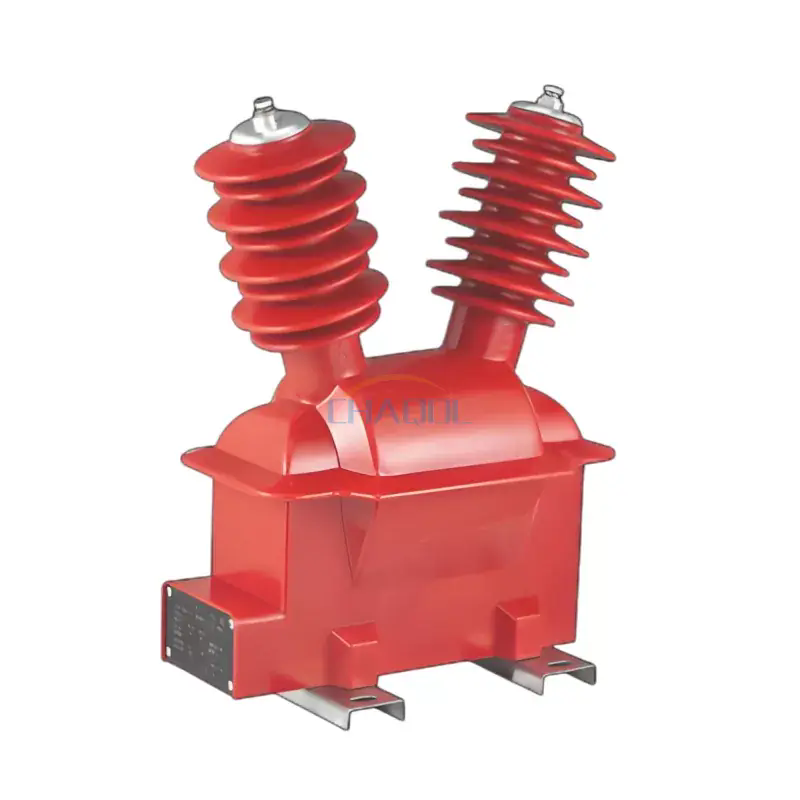
Table of Contents
- Introduction to Instrument Transformers
- Types of Instrument Transformers
- Key Benefits for Power Systems
- Applications in Various Industries
- Installation and Safety Considerations
- Maintenance Best Practices
- Frequently Asked Questions
- Conclusion
Introduction to Instrument Transformers
An instrument transformer is an electrical device designed to reduce high voltage or current levels to standardized, safe values for measurement, monitoring, and protection devices. It ensures that meters, relays, and other instruments can operate accurately without being exposed to high electrical loads.
Unlike power transformers, instrument transformers focus on precision and safety rather than energy transfer efficiency. They are essential in high-voltage environments such as substations, industrial plants, and large commercial facilities.
Types of Instrument Transformers
Instrument transformers can be broadly categorized into two types:
| Type | Purpose | Key Features |
|---|---|---|
| Current Transformer (CT) | Measures high current by scaling it down to a safe value | Accuracy, isolation, overload tolerance |
| Voltage Transformer (VT) / Potential Transformer (PT) | Reduces high voltage to a measurable level | High insulation, precise voltage ratio, safety |
Some advanced variations include digital instrument transformers, which integrate electronic sensors for enhanced measurement and monitoring in smart grids.
Key Benefits for Power Systems
- Safety: Reduces high voltages and currents to safe levels for monitoring equipment and personnel.
- Accuracy: Enables precise measurement critical for energy billing, system analysis, and load management.
- Protection: Works with protective relays to isolate faults and prevent equipment damage.
- Reliability: Supports stable operation by maintaining accurate readings even under extreme conditions.
- Scalability: Suitable for a range of voltages and currents, accommodating growing industrial and utility networks.
Applications in Various Industries
Instrument transformers are widely used across multiple sectors:
- Power Utilities: Substations and transmission networks rely on CTs and VTs for monitoring and protection.
- Industrial Facilities: Large factories use instrument transformers to safeguard motors, generators, and switchgear.
- Renewable Energy: Solar and wind plants use them to measure output and integrate with grid control systems.
- Commercial Buildings: High-rise buildings and complexes use them for energy management and electrical safety.
Installation and Safety Considerations
Correct installation is critical for instrument transformer performance. Key considerations include:
- Ensuring proper insulation and grounding to prevent electrical hazards.
- Verifying connection polarity for accurate measurements.
- Maintaining proper mechanical support to avoid physical damage.
- Following manufacturer guidelines and industry standards for safe operation.
Improper installation can lead to inaccurate readings, relay malfunctions, or even dangerous electrical accidents.
Maintenance Best Practices
To extend the lifespan and ensure reliable performance, routine maintenance is essential:
- Regular inspection for physical damage or insulation deterioration.
- Cleaning terminals and connections to prevent corrosion.
- Testing accuracy and calibration periodically, especially in high-load environments.
- Monitoring environmental conditions, such as temperature and humidity, that can affect performance.
Following a structured maintenance plan helps reduce downtime and avoids unexpected equipment failures.
Frequently Asked Questions
-
Q1: What is the main difference between a CT and a VT?
A CT measures current, whereas a VT measures voltage. Both ensure safe and precise readings for instrumentation and protection devices.
-
Q2: Can instrument transformers handle overloads?
They are designed to withstand temporary overloads, but prolonged exposure can damage the device. Proper ratings should always be selected.
-
Q3: How do I select the right instrument transformer for my system?
Consider factors such as voltage/current ratings, accuracy class, environmental conditions, and the specific application requirements.
-
Q4: Are digital instrument transformers better than traditional ones?
Digital transformers offer enhanced monitoring, remote measurement, and integration with smart grids. However, traditional transformers remain reliable and cost-effective for many applications.
Conclusion
Instrument transformers are indispensable components in modern electrical systems. By providing precise measurement, enhanced safety, and reliable protection, they help maintain stable and efficient power networks. Proper selection, installation, and maintenance are crucial for maximizing their benefits.
For top-quality instrument transformers and professional guidance, Anqiang Power offers a wide range of products designed for high-voltage applications. Contact us today to ensure your power system operates safely and efficiently.