

How Does an Integrated Joint Module Improve Motion Control Systems?
2026-08-18
Article Summary
Modern automation systems require higher precision, faster response, and more compact mechanical structures. Traditional motion control solutions often face challenges such as complicated wiring, limited installation space, difficult maintenance, and reduced system reliability. An Integrated Joint Module provides an advanced approach by combining multiple motion components into a unified solution. This article explains how an Integrated Joint Module works, why it is becoming an important component in robotics and automation applications, and how SEA MOTION helps customers achieve more efficient and reliable motion control performance.
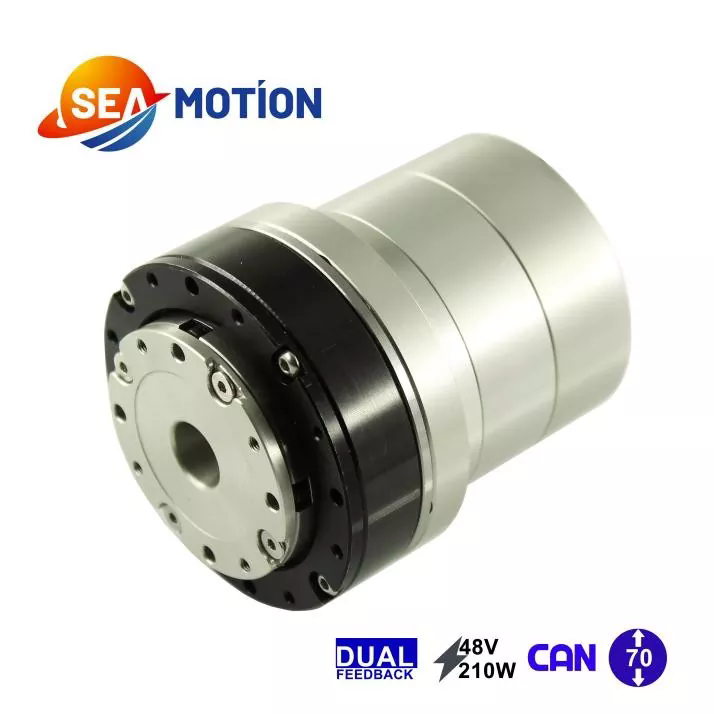
Table of Contents
- 1. Introduction to Integrated Joint Module Technology
- 2. How Does an Integrated Joint Module Work?
- 3. What Components Are Integrated Into a Joint Module?
- 4. Key Advantages of Using an Integrated Joint Module
- 5. Where Are Integrated Joint Modules Used?
- 6. How to Select the Right Integrated Joint Module?
- 7. How SEA MOTION Supports Advanced Motion Control Solutions
- 8. Frequently Asked Questions
1. Introduction to Integrated Joint Module Technology
With the rapid development of intelligent manufacturing, robotics, and automated equipment, motion control systems are facing increasing demands for compact design, high accuracy, and improved efficiency. Conventional mechanical systems usually require separate motors, reducers, encoders, drivers, and controllers connected through complex wiring systems. Although these solutions can achieve basic movement functions, they often create challenges during installation, adjustment, and long-term operation.
An Integrated Joint Module changes this traditional approach by combining multiple critical motion elements into a single compact unit. Instead of installing individual components separately, engineers can use a complete joint solution that simplifies system architecture and improves overall performance.
Integrated Joint Modules are widely used in robotic arms, collaborative robots, automation equipment, medical devices, and intelligent manufacturing systems. They provide precise rotational movement while reducing the space requirements and complexity of mechanical designs.
As a professional motion control solution provider, SEA MOTION focuses on developing integrated technologies that help customers overcome common challenges in modern automation projects. By optimizing the relationship between mechanical transmission, electronic control, and feedback systems, Integrated Joint Modules deliver stable and efficient motion performance.
2. How Does an Integrated Joint Module Work?
An Integrated Joint Module operates by combining driving, transmission, sensing, and control functions into one coordinated system. The module receives control signals from the main system, converts electrical energy into mechanical movement, and continuously adjusts operation through feedback information.
The working process can generally be divided into several stages:
| Working Stage | Main Function | Customer Benefit |
|---|---|---|
| Signal Input | The control system sends motion instructions to the integrated module. | Provides accurate communication between equipment and actuator. |
| Power Conversion | The motor converts electrical energy into rotational force. | Ensures stable and efficient operation. |
| Speed and Torque Adjustment | The transmission mechanism adjusts output speed and torque according to requirements. | Supports different application loads. |
| Position Feedback | The sensor system monitors position, speed, and movement accuracy. | Improves precision and reduces operating errors. |
Unlike traditional separated motion systems, an Integrated Joint Module reduces communication delays between components because the major functional units are designed to operate together. This integrated structure allows machines to achieve smoother movement, faster response times, and easier system integration.
In robotic applications, every joint directly affects the final positioning accuracy of the robot. A high-quality Integrated Joint Module helps maintain consistent performance even when robots perform repeated movements over long periods.
3. What Components Are Integrated Into a Joint Module?
The performance of an Integrated Joint Module depends on the combination and coordination of several important components. Integrating these elements into one unit provides significant advantages compared with conventional designs.
- Servo Motor: Provides the driving force required for precise rotational movement.
- Precision Reducer: Controls output speed while increasing torque capacity.
- Encoder: Provides accurate position and speed feedback information.
- Motor Driver: Controls electrical power delivery and improves motion stability.
- Communication Interface: Enables connection with industrial control systems.
- Mechanical Housing: Protects internal components and improves structural reliability.
The integration of these components allows manufacturers to reduce design complexity. Engineers no longer need to spend excessive time matching different suppliers' motors, reducers, and controllers. A properly designed Integrated Joint Module provides a ready-to-use solution that accelerates equipment development.
4. Key Advantages of Using an Integrated Joint Module
Selecting the right motion control solution directly influences equipment performance, maintenance requirements, and production efficiency. Integrated Joint Modules provide several practical advantages for manufacturers and system developers.
| Advantage | Description |
|---|---|
| Compact Structure | Multiple components are combined into one unit, reducing installation space and making equipment design more flexible. |
| Simple Installation | Pre-integrated components reduce assembly difficulty and shorten system setup time. |
| Higher Reliability | Optimized internal coordination reduces connection problems and improves operational stability. |
| Improved Motion Accuracy | Integrated feedback systems provide better control over position and movement. |
| Lower Maintenance Requirements | Fewer external connections simplify inspection and troubleshooting. |
For manufacturers developing compact robotic systems, limited installation space is often a major challenge. Traditional motion systems may require large control cabinets and complicated cable arrangements. An Integrated Joint Module helps solve these problems by reducing the number of external components.
5. Where Are Integrated Joint Modules Used?
Integrated Joint Modules have become increasingly important in industries that require accurate, flexible, and reliable motion control. Their compact design and integrated structure make them suitable for various advanced automation applications.
The following industries commonly benefit from Integrated Joint Module technology:
- Industrial Robotics: Robot manufacturers use integrated joint solutions to improve robot flexibility, reduce mechanical complexity, and achieve precise multi-axis movement.
- Collaborative Robots: Compact joint modules help collaborative robots maintain lightweight structures while providing safe and accurate interaction with human operators.
- Medical Equipment: Medical robotic systems require smooth and reliable motion, making integrated solutions suitable for surgical robots, rehabilitation equipment, and intelligent medical devices.
- Automation Production Lines: Manufacturers use these modules in automated assembly systems, inspection equipment, and intelligent manufacturing platforms.
- Service Robots: Domestic and commercial robots require compact drive systems that provide quiet and efficient operation.
- Specialized Mechanical Equipment: Custom machinery requiring precise rotation and positioning can benefit from the simplified design of integrated motion solutions.
In robotic applications, the joint is one of the most important parts because it directly determines the robot's movement capability. A high-performance Integrated Joint Module allows robots to perform complex tasks with better repeatability and smoother operation.
For automation equipment manufacturers, reducing development time is another important consideration. By choosing an integrated solution instead of multiple independent components, engineers can shorten design cycles and focus more on optimizing the final application.
6. How to Select the Right Integrated Joint Module?
Choosing a suitable Integrated Joint Module requires careful evaluation of application requirements. Different machines have different demands for torque, speed, accuracy, size, and communication methods.
Before selecting a module, manufacturers should consider the following factors:
| Selection Factor | Important Considerations |
|---|---|
| Load Requirements | Determine the required torque capacity according to the weight and operating conditions of the equipment. |
| Motion Accuracy | Select a module with suitable feedback accuracy for positioning and repeatability requirements. |
| Installation Space | Check the available mechanical space and choose a compact design that fits the equipment structure. |
| Operating Environment | Consider temperature, dust, vibration, and other working conditions that may affect performance. |
| Communication Compatibility | Ensure the module can communicate effectively with the existing control system. |
Another important consideration is long-term reliability. A motion system may operate thousands or millions of cycles during its service life, so the quality of internal components and manufacturing processes directly affects equipment performance.
Working with an experienced supplier can help customers avoid compatibility problems and select a solution that matches their specific application requirements.
7. How SEA MOTION Supports Advanced Motion Control Solutions
SEA MOTION specializes in providing innovative motion control solutions designed to meet the evolving requirements of automation and robotics industries. Through advanced engineering and integrated technology development, the company focuses on helping customers build efficient and reliable motion systems.
The Integrated Joint Module solution from SEA MOTION is designed to simplify complex mechanical structures by combining essential motion components into a coordinated system. This approach helps customers reduce installation challenges while improving overall equipment performance.
SEA MOTION understands that different industries have different requirements. A robotic arm used in manufacturing, a medical automation device, and a service robot may require different torque levels, sizes, and control methods. Therefore, professional technical support and customized solutions are important parts of successful motion system development.
The advantages of SEA MOTION's Integrated Joint Module solutions include:
- Integrated Design: Combines multiple motion components to reduce system complexity.
- Reliable Performance: Designed for stable operation in demanding automation environments.
- Flexible Application: Suitable for robotics, intelligent equipment, and industrial automation.
- Professional Support: Provides technical assistance for different customer application needs.
As industries continue moving toward intelligent and automated production, motion systems require higher levels of integration and efficiency. SEA MOTION continues developing advanced solutions that help manufacturers achieve better productivity and stronger competitiveness.
8. Frequently Asked Questions
Q1: What is an Integrated Joint Module?
An Integrated Joint Module is a compact motion control unit that combines components such as motors, reducers, sensors, drivers, and communication systems into a single assembly. It is designed to provide accurate and efficient rotational movement for automation applications.
Q2: Why are Integrated Joint Modules important for robotics?
Robots require precise and coordinated movement between different joints. Integrated Joint Modules simplify robot design, improve motion accuracy, reduce wiring complexity, and help create more compact robotic systems.
Q3: What industries can use Integrated Joint Modules?
Integrated Joint Modules are widely used in industrial robotics, collaborative robots, medical equipment, automation systems, service robots, and other intelligent mechanical applications.
Q4: What are the main benefits compared with traditional motion systems?
Compared with traditional systems using separate components, Integrated Joint Modules provide easier installation, reduced space requirements, improved reliability, and simplified maintenance.
Q5: How can customers choose the correct Integrated Joint Module?
Customers should evaluate factors including required torque, speed, positioning accuracy, installation space, environmental conditions, and communication requirements before selecting a suitable module.
Q6: Can SEA MOTION provide customized Integrated Joint Module solutions?
SEA MOTION can support different application requirements by providing professional motion control solutions designed according to customer equipment needs and project specifications.
Conclusion
Integrated Joint Modules represent an important advancement in modern motion control technology. By combining multiple essential components into a compact and efficient system, they help manufacturers overcome common challenges including complex installation, limited space, and demanding precision requirements.
From robotics and automation equipment to intelligent manufacturing systems, Integrated Joint Modules provide a practical solution for improving performance and simplifying machine design. With professional technology and application experience, SEA MOTION continues to support customers in developing reliable and efficient motion control systems.
If you are looking for a reliable Integrated Joint Module solution to improve your automation project performance, please contact SEA MOTION today. Our professional team is ready to provide suitable motion control solutions and technical support. Contact us to explore the best solution for your application.