

How Does an Oil Immersed Transformer Improve Power Distribution Reliability?
2026-08-10
Article Summary
An oil immersed transformer plays a critical role in modern electrical power systems by providing efficient voltage conversion, stable energy transmission, and reliable operation under demanding conditions. As industries, commercial facilities, and utility networks continue to require higher power capacity and improved electrical safety, choosing the right transformer solution becomes increasingly important.
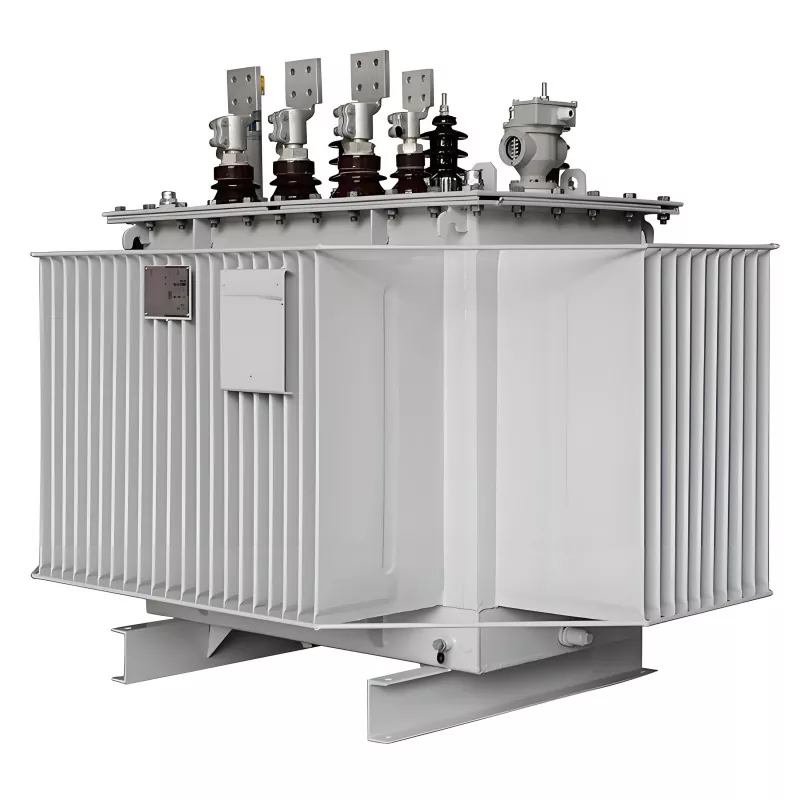
This article explains how an oil immersed transformer works, why it is widely used in power distribution systems, what challenges customers may face during selection and operation, and how advanced transformer designs help improve efficiency, safety, and service life. With professional manufacturing experience, GUANGBIAN provides dependable transformer solutions designed to meet different application requirements.
Table of Contents
- 1. Introduction to Oil Immersed Transformer Technology
- 2. How Does an Oil Immersed Transformer Work?
- 3. What Advantages Does an Oil Immersed Transformer Provide?
- 4. Key Components and Design Structure
- 5. How to Select the Right Oil Immersed Transformer?
- 6. Maintenance Practices for Long-Term Performance
- 7. Oil Immersed Transformer vs Dry Type Transformer
- 8. Frequently Asked Questions
Article Outline
- Understanding the operating principle of oil immersed transformers
- Exploring performance benefits for industrial and power applications
- Identifying important purchasing and maintenance considerations
- Comparing different transformer technologies
- Answering common customer questions
Introduction to Oil Immersed Transformer Technology
Electricity distribution systems require equipment that can handle high voltage conversion safely and efficiently. Among various transformer technologies, the oil immersed transformer remains one of the most widely adopted solutions because of its excellent insulation performance, strong heat dissipation capability, and ability to operate continuously under heavy electrical loads.
Unlike transformers that rely only on air insulation, an oil immersed transformer uses insulating oil surrounding the internal components. This oil provides electrical insulation while also transferring heat away from the transformer core and windings. As a result, the equipment can maintain stable operation even in environments where power demand fluctuates significantly.
GUANGBIAN focuses on developing reliable transformer products that support industrial facilities, renewable energy projects, infrastructure systems, and utility applications. By combining practical engineering experience with strict manufacturing standards, the company helps customers achieve safer and more efficient power management.
How Does an Oil Immersed Transformer Work?
The working principle of an oil immersed transformer is based on electromagnetic induction. When alternating current passes through the primary winding, it creates a changing magnetic field inside the transformer core. This magnetic field induces voltage in the secondary winding, allowing electrical energy to be transferred while changing the voltage level.
The insulating oil inside the transformer performs two essential functions:
- Electrical insulation: It prevents electrical breakdown between internal components and improves operational safety.
- Heat management: It absorbs heat generated by the core and windings and transfers it to cooling surfaces.
During operation, electrical losses generate heat. Without effective cooling, excessive temperature could accelerate insulation aging and reduce transformer lifespan. The oil circulation system helps maintain an appropriate operating temperature, allowing the transformer to work reliably for many years.
| Working Process | Main Function |
|---|---|
| Voltage input | Receives electrical energy from the power source |
| Magnetic induction | Transfers energy through the transformer core |
| Voltage conversion | Adjusts voltage according to system requirements |
| Oil cooling circulation | Controls temperature and protects internal components |
What Advantages Does an Oil Immersed Transformer Provide?
Selecting a transformer is an important decision because equipment reliability directly affects the stability of the entire electrical system. Oil immersed transformers provide several advantages that make them suitable for demanding applications.
- High Load Capacity: The effective cooling performance allows oil immersed transformers to handle higher power loads compared with many conventional designs.
- Excellent Insulation Performance: Transformer oil improves insulation strength and reduces the risk of electrical failure.
- Long Service Life: Proper cooling and protection help reduce aging of internal insulation materials.
- Strong Environmental Adaptability: These transformers can be designed for outdoor installations and different operating conditions.
- Cost Efficiency: Their mature manufacturing technology provides a practical solution for large-scale power distribution systems.
For customers, these benefits mean fewer unexpected shutdowns, lower maintenance requirements, and improved overall power system stability.
Key Components and Design Structure
Understanding the structure of an oil immersed transformer helps customers evaluate product quality and operating reliability. Each component plays an important role in ensuring safe power conversion.
| Component | Purpose |
|---|---|
| Transformer Core | Provides a magnetic path for efficient energy transfer |
| Windings | Convert electrical energy through electromagnetic induction |
| Insulating Oil | Provides insulation and removes heat |
| Tank | Protects internal parts and stores transformer oil |
| Cooling System | Maintains suitable operating temperature |
A well-designed transformer requires precise manufacturing processes, quality materials, and professional testing procedures. GUANGBIAN pays attention to every production stage to ensure transformers deliver consistent performance in real-world applications.
How to Select the Right Oil Immersed Transformer?
Choosing the correct transformer requires consideration of several technical and practical factors. An unsuitable selection may lead to inefficient operation, increased maintenance costs, or reduced equipment life.
Important selection factors include:
- Rated Capacity: The transformer power rating should match the actual electrical demand.
- Voltage Requirements: Input and output voltage levels must meet system specifications.
- Installation Environment: Outdoor, industrial, and utility applications may require different protection levels.
- Cooling Requirements: Heavy-load applications require efficient heat dissipation solutions.
- Safety Standards: Products should comply with relevant electrical requirements.
Before purchasing, customers should analyze both current requirements and future expansion plans. A properly selected transformer can improve operational efficiency and reduce long-term ownership costs.
Maintenance Practices for Long-Term Performance
Although oil immersed transformers are designed for durability, regular inspection and maintenance are necessary to ensure stable operation.
| Maintenance Item | Recommended Action |
|---|---|
| Oil Inspection | Check oil quality and insulation performance regularly |
| Temperature Monitoring | Observe operating temperature to prevent overheating |
| Leak Inspection | Check transformer tank and sealing areas |
| Electrical Testing | Evaluate insulation and operating conditions |
Preventive maintenance helps identify potential issues before they become serious failures. For industrial users, this approach reduces downtime and improves the reliability of electrical networks.
Oil Immersed Transformer vs Dry Type Transformer
| Comparison Factor | Oil Immersed Transformer | Dry Type Transformer |
|---|---|---|
| Cooling Method | Uses insulating oil for heat transfer | Uses air or resin insulation |
| Load Capability | Suitable for high-capacity applications | Commonly used for smaller indoor applications |
| Installation | Often used outdoors and utility systems | Frequently installed indoors |
| Maintenance | Requires oil condition monitoring | Requires different inspection methods |
The choice between these two transformer types depends on application requirements, installation conditions, and operating expectations. For large-scale power distribution projects, oil immersed transformers are often preferred because of their strong performance and reliability.
Frequently Asked Questions
Q1: What is the main purpose of an oil immersed transformer?
An oil immersed transformer converts electrical voltage levels while using insulating oil to improve insulation and cooling performance. It is widely used in power transmission and distribution systems.
Q2: Why is transformer oil important?
Transformer oil provides electrical insulation and removes heat generated during operation. This helps protect internal components and extend equipment service life.
Q3: Where are oil immersed transformers commonly used?
They are commonly applied in power plants, substations, industrial facilities, commercial buildings, renewable energy systems, and infrastructure projects.
Q4: How can customers improve transformer lifespan?
Regular inspections, proper load management, oil quality monitoring, and professional maintenance can significantly improve transformer reliability.
Q5: Why choose GUANGBIAN oil immersed transformer solutions?
GUANGBIAN provides transformer products designed with practical engineering experience, reliable manufacturing processes, and attention to performance requirements across different applications.
Conclusion
An oil immersed transformer is a dependable solution for modern power distribution because it combines efficient voltage conversion, strong insulation capability, and effective thermal management. Understanding its working principle, advantages, selection factors, and maintenance requirements helps customers make better decisions for their electrical systems.
With professional expertise and reliable product solutions, GUANGBIAN continues to support customers seeking stable and efficient transformer equipment. Whether for industrial applications, utility projects, or customized power requirements, choosing the right transformer can create long-term operational value. For more information about oil immersed transformer solutions and professional support, please contact us.